
Buenos Aires Province
Argentina's largest and most populous province, surrounding the federal capital. A temperate, agriculturally rich region with major cities, ports, industry, and the planned capital La Plata.
Buenos Aires Province is Argentina's largest and most populous province in land area and inhabitants. It surrounds—but does not include—the Autonomous City of Buenos Aires, the nation's federal capital. The province combines extensive agricultural plains, coastal zones on the Río de la Plata and the Atlantic, industrial corridors and dense suburban belts that extend from the capital region.

Image gallery
10 Images


Geography and economy
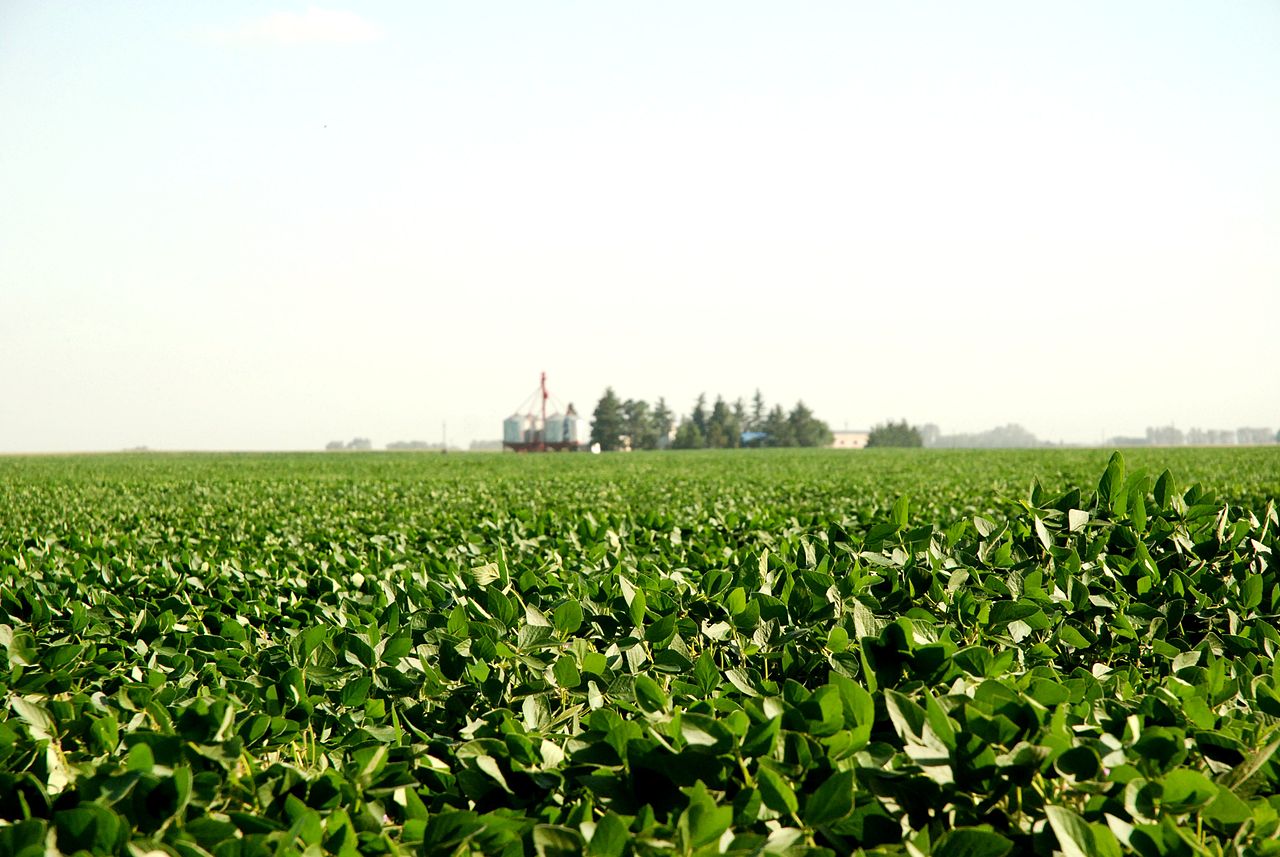
The province covers broad sections of the Pampas, a flat, fertile plain that supports large-scale farming and cattle ranching. Major economic activities include grain and oilseed production, beef and dairy farming, agro-industry, petrochemicals and manufacturing. Several important ports and industrial centers serve both domestic and international trade.
Administration, history and capital
Established in the 19th century as Argentina organized itself after independence, the province has its own provincial government and legislature. After the federalization of the city of Buenos Aires, the provincial capital was established at La Plata, a planned city laid out to serve as the administrative center and cultural hub separate from the federal district.
The province plays a central role in national politics and economics. It contains many large and medium cities, as well as a vast suburban region often called Greater Buenos Aires that forms the most densely populated area in the country. For distinction between the provincial territory and the federal city see Buenos Aires Province versus the Autonomous City of Buenos Aires.

Culture, transport and notable facts
- Transport networks include major highways, rail links and ports that connect agricultural production to export markets.
- Mar del Plata and other coastal towns are notable tourist destinations on the Atlantic shore.
- The province's demographic weight—home to roughly a large fraction of Argentina's population—gives it strong influence in national affairs.
Visitors and researchers encounter a mix of urban and rural Argentina here: modern industry and suburban sprawl alongside historical towns, estancias (ranches), and wide open Pampas. For more detailed administrative and statistical information consult official provincial resources or national summaries.
Related articles
Author
AlegsaOnline.com Buenos Aires Province Leandro Alegsa
URL: https://en.alegsaonline.com/art/15113