
Bucheggberg District, Canton of Solothurn
Rural district in the southwest of the Canton of Solothurn, Switzerland. Noted for rolling hills, beech woods, small municipalities and agricultural heritage within Solothurn’s ten districts.
Overview
The Bucheggberg is one of the ten administrative districts of the canton of Solothurn in Switzerland. Situated in the southwestern part of the canton, the district is predominantly rural, with a landscape of gentle hills, mixed farmland and woodlands. It is commonly referred to by its German name, Bucheggberg, which evokes the beech-covered slopes that characterize parts of the area.
Image gallery
10 Images

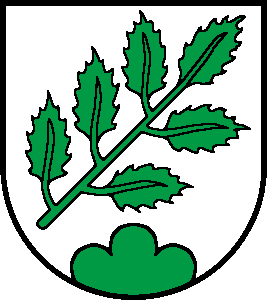


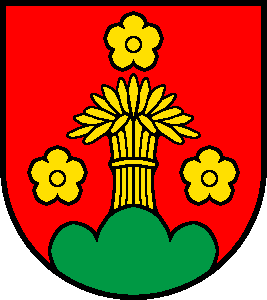
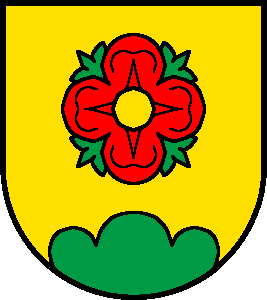
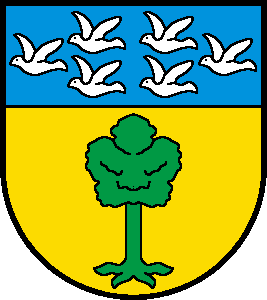
Geography and name
Topographically, Bucheggberg lies within the Swiss Plateau rather than the high Alps. The district combines agricultural fields, small forests and scattered village settlements, offering a pastoral contrast to urban centres in the region. The name traditionally links to beech trees (German: Buche) and elevated terrain (berg), reflecting longstanding local vegetation and terrain features.
Administration and municipalities
As a district it groups a number of small municipalities that handle local matters such as schools, planning and community services; the district level provides coordination and links to cantonal authorities. Municipal structures in Bucheggberg tend to be compact and village-based, with councils and mayors serving modest populations. For a formal list and administrative details refer to official cantonal resources or the district page: Bucheggberg district information.
History and development
The region has a mixed history of rural farming, local crafts and ties to neighbouring regions. Settlement patterns date back many centuries, with villages forming around arable land and watercourses. Over time, administrative boundaries have evolved in response to political reforms and municipal mergers that are common across Switzerland.
Economy, transport and culture
Local economic life is dominated by agriculture, small businesses and services that support village communities. Transport links are modest: local roads and regional bus routes connect residents to larger towns and the cantonal capital. Cultural life emphasizes village festivals, preservation of traditional farmhouses and outdoor recreation such as walking and cycling across the scenic hills.
Distinctive features
- Rural landscape with wooded slopes and arable land.
- Cluster of small, village-style municipalities governed at local level.
- Heritage of traditional architecture and community festivals.
- Accessibility to wider cantonal services through coordinated administration.
For more detailed maps, municipal names and up-to-date administrative information consult the cantonal portals and regional guides: Solothurn canton and general Swiss information sources: Switzerland.
Related articles
Author
AlegsaOnline.com Bucheggberg District, Canton of Solothurn Leandro Alegsa
URL: https://en.alegsaonline.com/art/15004