
Zwartewaterland
Zwartewaterland is a municipality in Overijssel, Netherlands, formed in 2001 from Genemuiden, Hasselt and Zwartsluis. It is noted for its waterways, wetlands, historic small towns and mixed rural economy.
Overview
Zwartewaterland is a municipality in the Dutch province of Overijssel. It was established on 1 January 2001 by merging the former municipalities of Genemuiden, Hasselt and Zwartsluis. The area is predominantly rural and includes a number of small historic towns clustered along rivers and canals. The municipality had roughly 23,000 inhabitants in the early 2020s and combines agricultural land, wetlands and built-up village centres.
Image gallery
8 Images




Geography and nature
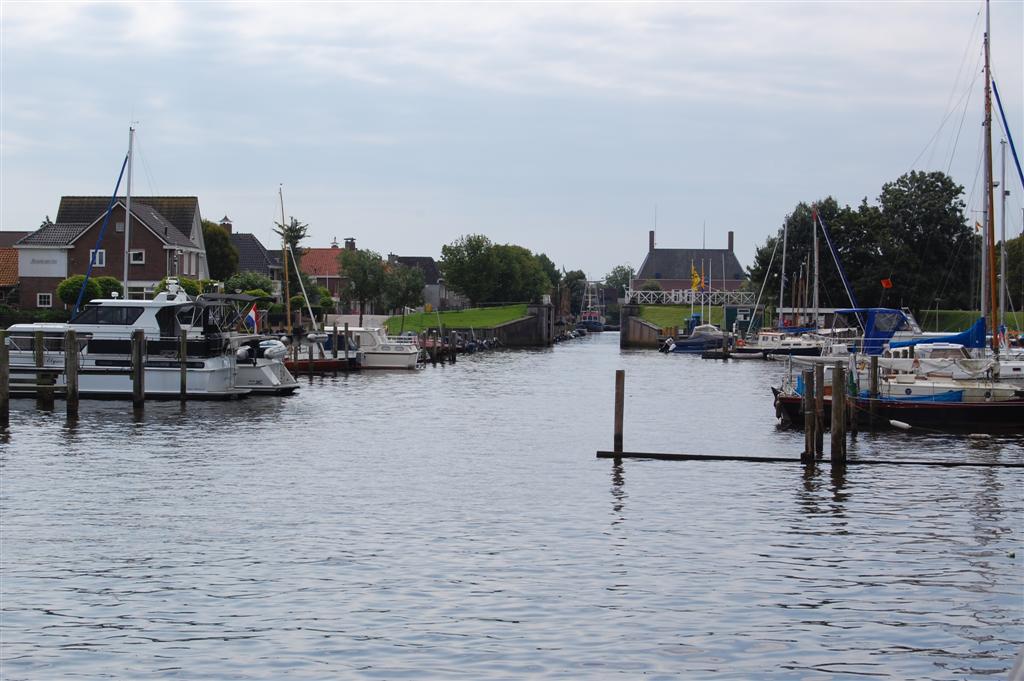
The local landscape is shaped by the Zwarte Water river and associated waterways, polders and reed beds that are typical of lowland Overijssel. Zwartewaterland lies at the transition between the inland region of Salland and the lake‑influenced Kop van Overijssel. Wetland areas and floodplains provide habitats for waterfowl and other wetland species and are used for nature conservation, seasonal grazing and recreation. The presence of navigable rivers and canals also influences land use and local infrastructure.
History
The three principal towns each have distinct histories that predate the modern municipality. Hasselt retains a compact historic centre and market place, Genemuiden developed as a craft and manufacturing community, and Zwartsluis grew as a river port and ferry point. Over centuries these places served as local market centres with economies tied to agriculture, trade and waterborne transport. The 2001 municipal reorganisation brought the neighbouring communities together while they continue to preserve local heritage and identity.
Economy and society
The local economy is mixed: agriculture remains important in the surrounding polders, while small and medium enterprises, local services and manufacturing provide employment in the towns. Many businesses are linked to the waterways—marinas, boat services, hospitality and tourism—while others supply regional markets. Community life is centred on town halls, churches, clubs and regular markets. Cultural events and annual festivals celebrate regional traditions and local crafts.
Recreation and tourism
Zwartewaterland attracts visitors interested in boating, angling, cycling and birdwatching. The network of rivers and canals make it a popular area for small‑boat tourism and day trips. Walking routes through polder landscapes and along riverbanks provide access to natural areas. Local museums and historic sites in the towns offer information about maritime history, traditional industries and rural life.
Municipal structure and localities
The municipality is governed by an elected council and a mayoral administration responsible for spatial planning, public services and environmental management. Principal population centres include Genemuiden, Hasselt and Zwartsluis, together with several smaller villages and hamlets. Local policy typically aims to balance housing and economic development with protection of wetlands, cultural heritage and recreational values.
- Main towns: Genemuiden, Hasselt, Zwartsluis
- Key features: Zwarte Water river, polders, reed beds, recreational boating
- Formed by merger: 1 January 2001
Related articles
Author
AlegsaOnline.com Zwartewaterland Leandro Alegsa
URL: https://en.alegsaonline.com/art/148281