
Windows 1.0: Microsoft's first graphical operating environment (1985)
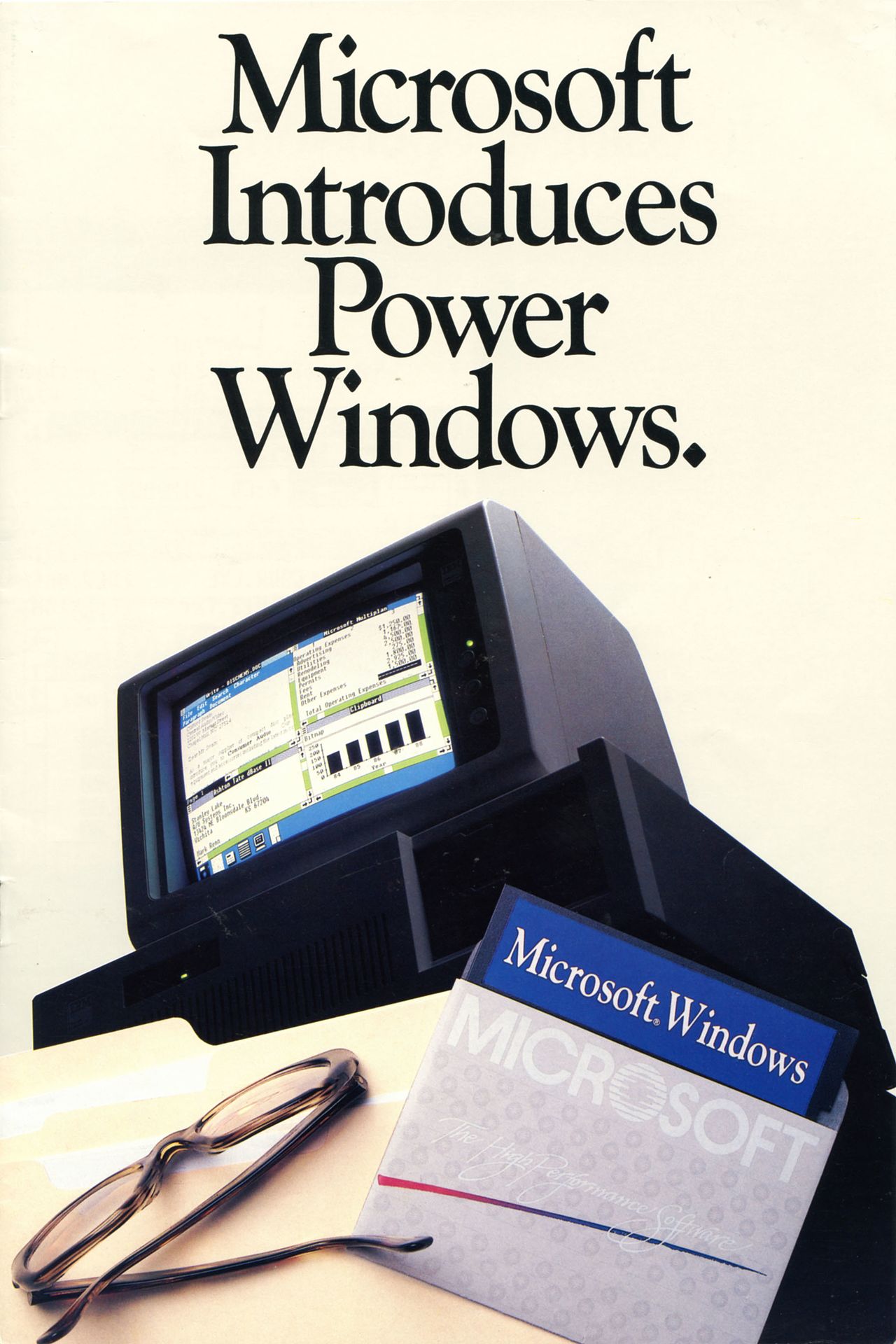
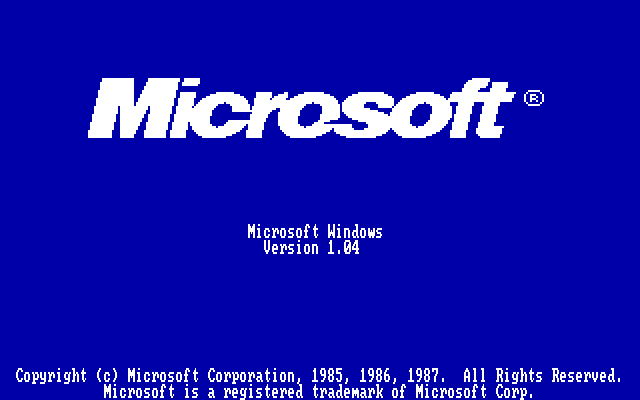
Windows 1.0, released in 1985, was Microsoft’s initial graphical environment for MS‑DOS, introducing tiled windows, basic bundled applications and mouse-driven interaction that launched the Windows product line.
Overview
Windows 1.0 was the first public release in what became the Microsoft Windows family. Announced and shipped in 1985, it acted as a graphical operating environment that ran on top of an existing MS-DOS installation. Rather than a full operating system replacement, it provided a 16-bit graphical layer that let users open and switch among programs in windows while still depending on DOS for low-level services.
Image gallery
5 Images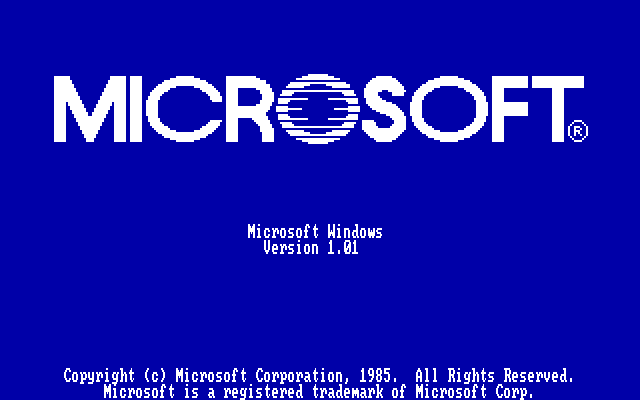

Design and characteristics
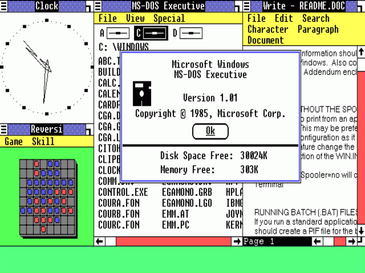
Windows 1.0 emphasized keyboard and mouse control at a time when the mouse was not yet standard on personal computers. Its interface used tiled windows rather than freely overlapping windows: application windows were arranged so they did not cover one another by default. The shell supplied menubars, dialog boxes, scroll bars and icons to make interaction more visual than command-line DOS. It supported cooperative multitasking for programs written to run under Windows and provided a framework for developers to create graphical applications.
Included with the system were simple utility and productivity programs that demonstrated the environment’s capabilities. Typical bundled software included a paint program, a text editor, a basic word processor, a calculator and small utilities such as a clock and calendar. These programs illustrated how graphical programs could behave inside the Windows environment.
History and development
Work on Windows followed Microsoft’s exposure to graphical interfaces from competitors and contemporaries. The company had collaborated with other makers on GUI software and took inspiration from earlier systems exhibited at industry shows. Development was driven at the direction of Microsoft leadership, including Bill Gates, who saw a market for a graphical layer that would run on a wide variety of personal computer hardware.
Microsoft’s approach was to create a product that could operate on the broad base of IBM-compatible PCs and related systems, rather than a single proprietary machine. Early demos and partner support helped shape the product, though those presentations set expectations that some reviewers felt Windows 1.0 did not fully meet on shipping.
Reception, limitations and legacy
Critics noted several limitations at the time of release: modest performance on the lower-end machines then common, relatively limited documentation and a steep learning curve for users unfamiliar with mice. Many reviewers expected more advanced capabilities and were surprised by the tiled-window model and the reliance on mouse gestures in an era when keyboard-driven DOS was still dominant. Hardware constraints of the period—memory, storage and processor speed—restricted what the system could run smoothly on typical configurations.
Despite early critiques, Windows 1.0 is widely regarded as an important milestone because it established a software model and API that Microsoft would iterate on for years. It marked the beginning of a lineage that grew into a dominant desktop platform, even though the first release itself remained a niche product until later, more capable versions expanded functionality and performance.
Typical components and notable facts
- Bundled applications: small utilities such as a paint/drawing program, simple word processor and calculator demonstrated GUI features.
- Architecture: a 16-bit graphical shell layered over MS-DOS, with cooperative multitasking for Windows-aware applications.
- Interface: menu bars, dialog boxes and tiled windows emphasized structure over free-form overlapping windows.
- Context: developed by Microsoft as a cross-hardware environment to compete with other early GUIs; the company had interacted with firms such as Apple on GUI development ideas.
- Market constraints: adoption was influenced by the availability of pointing devices and the diversity of personal computer hardware in the mid-1980s.
Windows 1.0 marked a first, important step in making graphical computing mainstream on IBM-compatible PCs. For contemporary readers, it is a historical example of early GUI principles and the compromises software makers faced when adapting new interaction models to limited hardware. For more general introductions to this era, see introductory material about graphical personal computers: graphical personal computer.
For technical and archival accounts of early Windows releases and their place in computing history, consult dedicated retrospectives and collections of period documentation that explore both the software and the industry context that shaped it. Many histories also trace the influence of early GUI systems such as Visi On and other contemporaneous products that helped motivate Microsoft’s work on a graphical environment.
Additional background on packaging and distribution choices of that era is available from reference texts and primary sources covering software development practices and industry shows where GUI concepts were first demonstrated.
Further reading and resources can be found through historical overviews and curated archives of early personal-computing software development: operating environment, Apple, and other primary sources provide greater depth on this transitional period.
For reference on the software's dependencies and environment, users often consult documentation for MS-DOS and contemporary developer guides that discuss how graphical programs interfaced with the Windows API in that first generation of releases.
Original promotional and technical materials are useful for understanding the product’s intentions; archival reproductions and commentary are available in specialized collections and retrospectives.
Finally, Windows 1.0's place in history is as the seed of a long-running platform rather than as a widely adopted product in its own right—an initial experiment that shaped the trajectory of personal computing interfaces.
For more on the business and technical context, researchers often look to contemporaneous coverage of software showcased at trade events and to company announcements by Microsoft, which document decisions and strategy surrounding the early Windows releases.
Windows 1.0 was eventually declared obsolete and support ended in later years as Microsoft advanced its Windows family; the product remains of interest to historians and enthusiasts studying the origins of mainstream graphical desktops.
Research into this period typically draws on multiple primary and secondary sources to chart the evolution from command-line systems to the graphical environments that became dominant in subsequent decades.
Author
AlegsaOnline.com Windows 1.0: Microsoft's first graphical operating environment (1985) Leandro Alegsa
URL: https://en.alegsaonline.com/art/147934