
Will Alsop — British architect known for bold, colourful public buildings
Will Alsop (1947–2018) was a British architect celebrated for inventive, colourful public and educational buildings. He won the 2000 Stirling Prize for Peckham Library and later taught at the University for the Creative Arts.
Overview
William Allen Alsop, known as Will Alsop (12 December 1947 – 12 May 2018), was a British architect whose practice and public persona brought a theatrical, experimental sensibility to civic and educational architecture. He made buildings that foreground colour, sculptural form and visible structure, aiming to create memorable landmarks and to engage communities through playful, often provocative gestures. Alsop combined built commissions with exhibitions, drawings and teaching, remaining an active public voice in debates about urban design and the social role of architecture.
Image gallery
10 Images


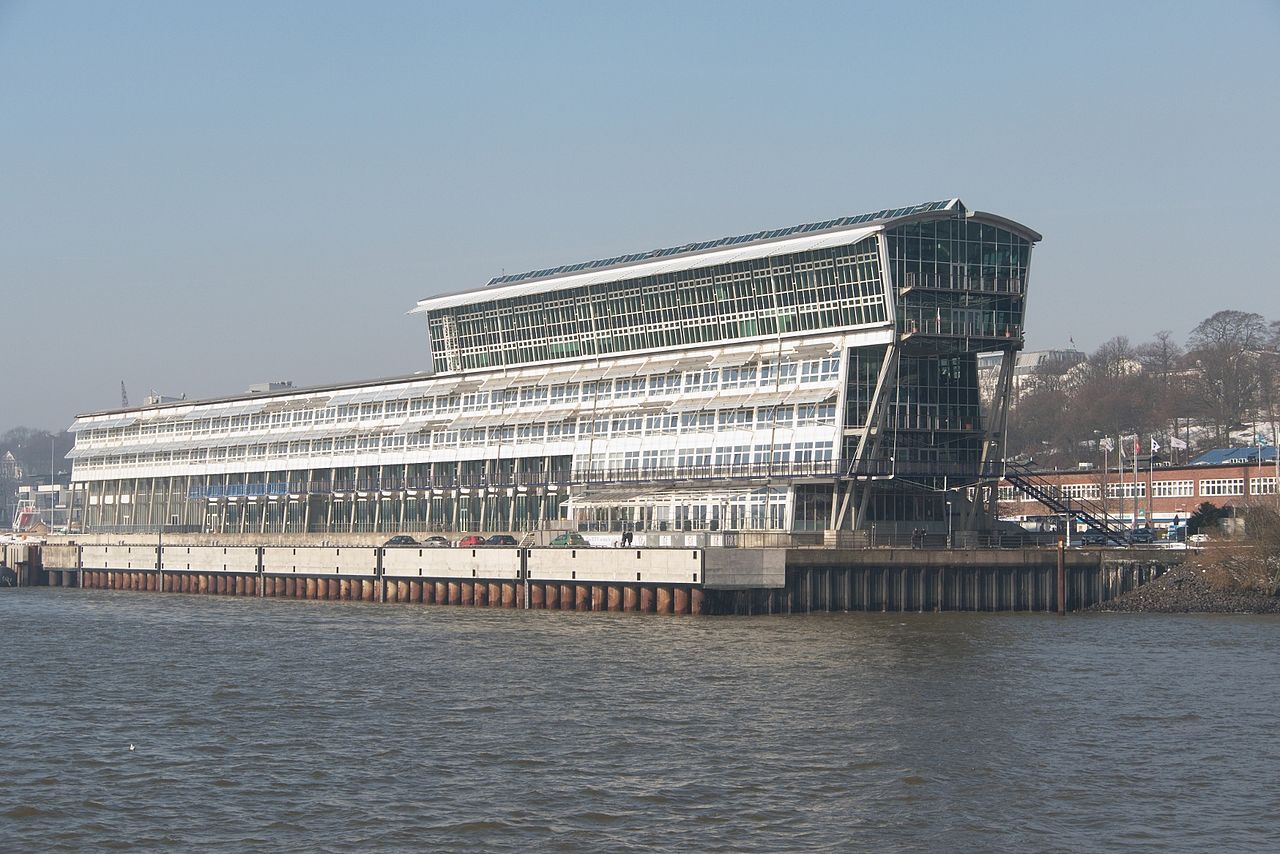

Early career and practice
Alsop worked across a range of scales from small cultural projects to large public buildings. His practice undertook civic libraries, arts centres and teaching facilities, often proposing strong, recognisable silhouettes and unconventional responses to programme and site. He believed architecture could act as public art and frequently explored how colour and form might change perceptions of ordinary urban places.
Style and characteristics
Alsop's architecture is widely described as bold, colourful and idiosyncratic. Common traits include exuberant palettes, pronounced cantilevers or pitched volumes set above plinths, and an emphasis on composition and theatricality rather than discreet or purely functional expression. He drew attention to architecture's ability to communicate identity and to enliven civic life, using exaggerated forms to provoke discussion about how public buildings can serve their communities.
Major projects and works
Several of Alsop's projects attracted national and international attention. Peckham Library in south-east London remains the most celebrated of these, winning the United Kingdom's Stirling Prize in 2000 and becoming closely associated with his public reputation. Other notable projects include an elevated, rectilinear teaching building for an art and design university in Canada that placed studio spaces above a visible plinth, a visitor centre at Cardiff Bay noted for its expressive geometry, and an ambitious arts complex in the English Midlands that stimulated both praise and controversy. These works illustrate Alsop's recurrent interest in visible structure, civic presence and the use of colour as a major compositional element.
- Peckham Library — regarded as a turning point in public appreciation of his work and recipient of the Stirling Prize.
- Sharp Centre for Design — an elevated, visually striking teaching block at a Canadian art and design institution.
- Cardiff Bay visitor building — an example of sculptural, site-responsive public architecture.
- The Public — an ambitious arts facility that generated debate about cost, use and urban role.
Awards, positions and recognition
Alsop received formal honours for his contribution to architecture. He was made an Officer of the Order of the British Empire (OBE) and in May 2000 was elected to the Royal Academy. The Stirling Prize awarded for Peckham Library is among the most visible recognitions of his public impact, and his work has been the subject of exhibitions and publications highlighting contemporary debates about form, colour and civic architecture.
Teaching, influence and legacy
Later in his career Alsop took on roles in education, most notably as a professor at the Canterbury School of Architecture within the University for the Creative Arts. He mentored younger designers and frequently spoke and wrote about the value of imagination and public presence in architecture. His buildings and drawings continue to be referenced in discussions of how colour, theatricality and bold massing can shape public perceptions of the built environment.
Reception and criticism
Reception of Alsop's work was often mixed: many praised his inventiveness, public-mindedness and willingness to challenge norms, while others criticised aspects such as cost, functional compromises or the long-term adaptability of some schemes. This polarised response underlines his role as a provocateur who shifted expectations about the appearance and cultural role of contemporary public architecture.
Life and death
Will Alsop continued to practise, exhibit and teach until late in life. He died on 12 May 2018 at the age of 70. His career is remembered for a distinctive and uncompromising interest in making architecture that is visible, talk-provoking and engaged with civic life.
Author
AlegsaOnline.com Will Alsop — British architect known for bold, colourful public buildings Leandro Alegsa
URL: https://en.alegsaonline.com/art/147903