
Wetzel County, West Virginia — Overview, History and Characteristics
Wetzel County is a rural county along the Ohio River in northwestern West Virginia. Its county seat is New Martinsville; the 2010 census recorded 16,583 residents. Geography, history, economy, and notable facts.
Wetzel County is a county in the U.S. state of West Virginia. The county lies along the Ohio River in the northwestern part of the state and is primarily rural, with small towns, farming areas and pockets of energy-industry activity. As recorded at the 2010 census, the county had 16,583 residents. The county seat and largest community is New Martinsville, which serves as the administrative and commercial center for the surrounding area. County overview
Image gallery
2 Images
Geography and communities
Wetzel County’s landscape combines riverfront lowlands and rolling hills typical of the Appalachian Plateau's western reaches. The Ohio River forms part of its boundary and has influenced local settlement, transportation and industry. In addition to New Martinsville, the county includes other towns and numerous unincorporated communities that function as service centers for farming and resource extraction. Geographic information
The economy has historically included agriculture, timber, and extractive industries such as oil, natural gas and coal where deposits are present. Manufacturing and local services in towns like New Martinsville provide employment, while many residents commute to work in adjacent counties or across the river. Recreational fishing, boating and outdoor activities are part of local life thanks to river access and rural landscapes. Economic and recreation notes
History and namesake
Wetzel County was organized in the mid-19th century and is named for Lewis Wetzel, a well-known frontiersman of that era. Its development followed patterns common to the region: settlement along waterways, growth tied to natural resources, and later adaptation to modern transportation and energy markets. Historic towns preserve local architecture and community traditions. Historical context
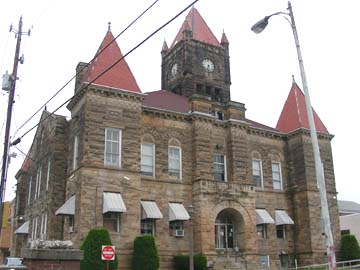
Local government is centered in New Martinsville, which houses county offices and courts; schools, libraries and civic organizations serve dispersed populations. The county balances conservation of rural character with efforts to attract investment and support small businesses. Important topics for residents include infrastructure, healthcare access and economic diversification. County government
Notable facts: the river corridor shapes commerce and culture, the county maintains a small population relative to urban areas, and community identity remains tied to both frontier history and resource-based industries. For maps, official contacts and further reading, consult county resources and regional guides. Further resources
Author
AlegsaOnline.com Wetzel County, West Virginia — Overview, History and Characteristics Leandro Alegsa
URL: https://en.alegsaonline.com/art/147716