
Weesp — historic town in North Holland, Netherlands
Weesp is a small historic town in North Holland, Netherlands. Formerly an independent municipality (population ~20,400 in 2021), it joined the municipality of Amsterdam in March 2022.
Overview
Weesp is a small town in the province of North Holland, in the Netherlands. Long known for its compact historic centre and riverside setting, Weesp had about 20,400 inhabitants in 2021 and retained a distinct local identity until it became part of the municipality of Amsterdam on 24 March 2022.
Image gallery
9 Images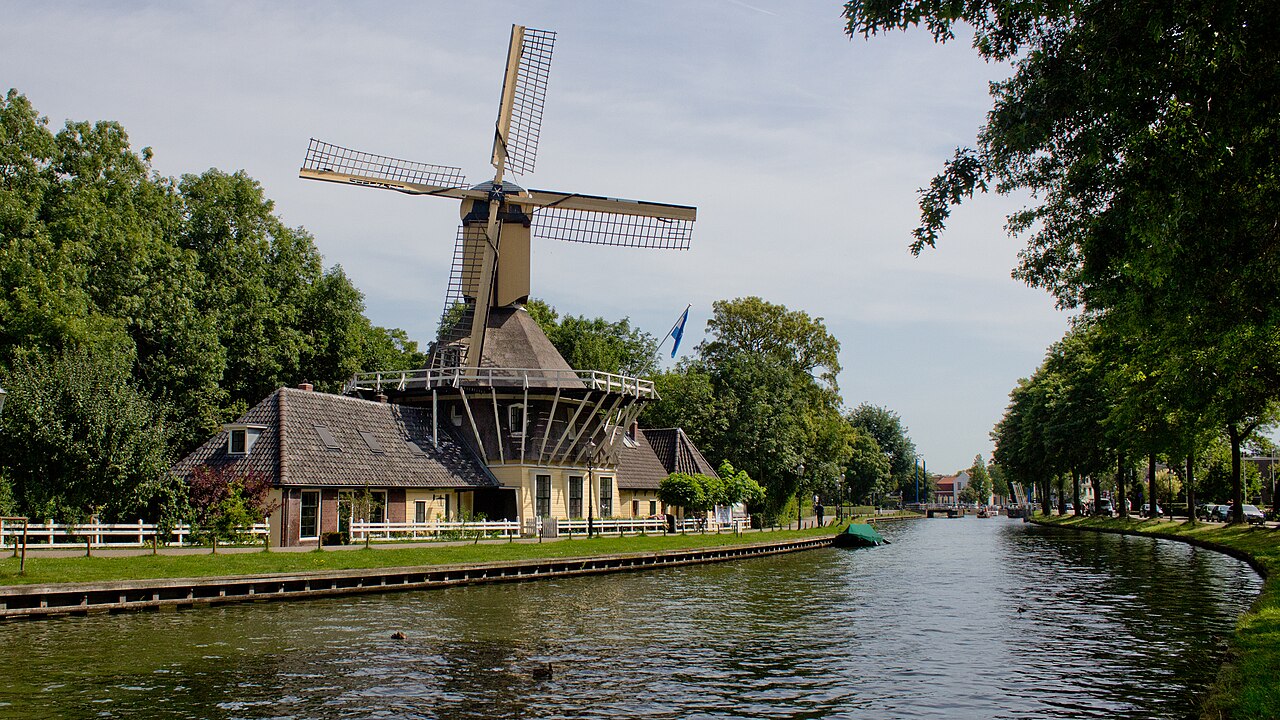


Geography and transport
Sited on the River Vecht and close to the urban corridor between Amsterdam and the Gooi region, Weesp lies within easy commuting distance of the capital. The town is served by regional rail and road connections that link it with nearby cities and towns, making it a popular residential choice for commuters and visitors exploring the surrounding countryside and waterways.
History and development
Weesp developed in the Middle Ages as a river trading settlement and defensive post. It was granted city rights in the 14th century (around 1355), after which the settlement expanded with gates, canals and civic buildings typical of Dutch small towns. Over subsequent centuries Weesp combined local crafts, river trade and light industry while preserving much of its historic fabric.
Architecture, culture and attractions
The town centre features narrow streets, canals and a number of well-preserved 17th–19th century buildings. Cultural life includes local museums, community festivals and markets, and riverside walking and cycling routes. Visitors often appreciate Weesp for its intimate scale and historic atmosphere rather than for major tourist attractions.
Economy and local life
Today Weesp functions as a residential and service-oriented town with small businesses, hospitality and leisure services catering both to locals and to day visitors. Its riverside location supports boating and recreation, while proximity to larger urban centres has encouraged development as a commuter town.
Notable facts and administration
- Weesp maintained independent municipal status until 2022 when it merged with the municipality of Amsterdam.
- The town’s riverside setting and compact historic core are key to its local character.
- Practical information and maps are available from regional resources and the provincial website (regional map and services).
Author
AlegsaOnline.com Weesp — historic town in North Holland, Netherlands Leandro Alegsa
URL: https://en.alegsaonline.com/art/147603