
Walnut Creek, California — East Bay city overview
Walnut Creek is an East Bay city in Contra Costa County, California, known for its retail and arts district, nearby open space, BART access to the Bay Area, and suburban residential neighborhoods.
Overview
Walnut Creek is a suburban city in Contra Costa County, located in the East Bay region of the San Francisco Bay Area. It lies roughly 16 miles east of Oakland and functions as a commercial and cultural center for surrounding communities. The city is home to a population on the order of tens of thousands, with a mix of residential neighborhoods, professional services, and regional shopping and arts venues.
Image gallery
10 Images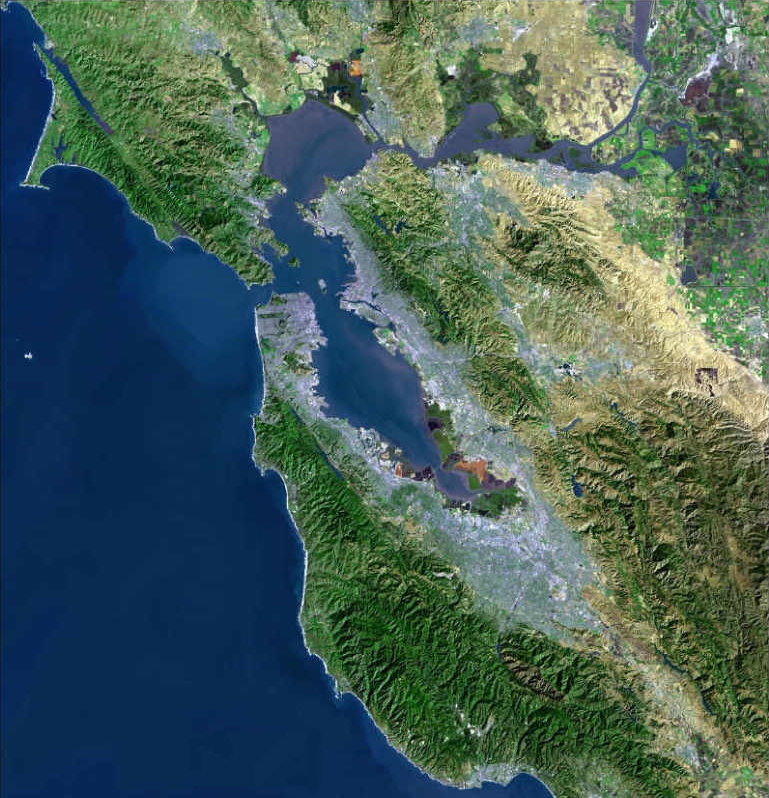





Geography and climate
Walnut Creek sits at the western edge of rolling foothills that rise toward Mount Diablo. Open-space preserves, neighborhood parks, and tree-lined streets are characteristic of the area. The climate is Mediterranean: warm, dry summers and cool, wetter winters. Nearby ridge trails and public greenways make the city popular for hiking, cycling, and outdoor recreation.
History and development
The community takes its name from groves of walnut trees and a small creek in the area. It developed from ranching and farming areas in the 19th century and grew steadily through the 20th century; the city organized as a municipality in the early 1900s. Postwar suburban expansion and highway and rail improvements helped transform Walnut Creek into a regional hub for shopping, offices, and residential growth.
Culture, economy and amenities
Walnut Creek is noted for a compact downtown and an active arts scene, which includes theaters, galleries, and regular public events. The city hosts a mix of national and local retailers, dining, and service businesses anchored by several shopping districts and plazas. Local institutions support performing arts, community festivals and farmers markets that draw visitors from across Contra Costa County.
Transportation and education
Regional transit connections include a Bay Area Rapid Transit (BART) station and nearby freeway corridors that provide access to neighboring cities and job centers. The community is served by multiple public school districts and is within commuting distance of area colleges and universities. Walkable commercial corridors and bike paths are also important features for residents.
Notable facts and distinctions
- Acts as a retail and cultural hub for the East Bay, with a lively downtown and shopping centers.
- Proximity to significant open space and ridge trails offers extensive outdoor recreation options.
- Well-connected to the rest of the Bay Area by regional rail and highways, supporting commuting and tourism.
- Combination of suburban residential neighborhoods and concentrated commercial districts gives the city a mixed small-city character.
Author
AlegsaOnline.com Walnut Creek, California — East Bay city overview Leandro Alegsa
URL: https://en.alegsaonline.com/art/147412