
Broome County, New York
Broome County in south-central New York includes the city of Binghamton and Binghamton University. Founded in 1806 and named for John Broome, it is a regional hub for education, government and services.
Overview
Broome County lies in the southern portion of the U.S. state New York. The county combines a small urban core around the city of Binghamton with outlying towns, villages and rural areas. It serves as the economic and cultural center of the Binghamton metropolitan area and is home to a mix of manufacturing, health care and higher education institutions.
Image gallery
4 Images


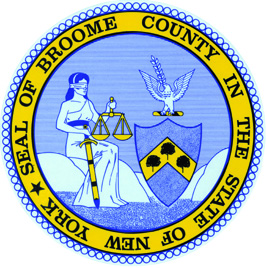
Geography and population
Broome County occupies part of New York's Southern Tier, with river valleys and low ridges that influence settlement and transportation corridors. Population has hovered around two hundred thousand residents in recent decades, concentrated in Binghamton and nearby suburban towns. The landscape supports residential neighborhoods, small farms and pockets of industry.
History
The county was established in the early 19th century and was named for John Broome, who served as lieutenant governor when the county was created in 1806. Its growth followed regional patterns of northeast America: settlement along waterways, development of rail and road links, and later industrial expansion in the 19th and early 20th centuries.
Economy, education and institutions
Higher education plays a prominent role: the county hosts Binghamton University, part of the State University of New York system, which contributes to research, cultural life and the local economy. Health care, education, government services and light manufacturing are major employment sectors. Over time the area has sought to diversify from legacy industries toward technology, health services and education-driven initiatives.
Government and communities
The city of Binghamton is the county seat and primary municipal center. Broome County contains a range of municipal types — cities, towns and villages — each with elected local governments. Public services include county administration, courts, public safety and social services, coordinated at the county level with local municipalities.
Notable facts and links
- Named after a state lieutenant governor; long history dating to the early 1800s.
- Regional transportation corridors and river valleys shaped settlement and commerce.
- Anchors of the local economy include education, health care and government.
For official information and resources about county services, planning and community programs, consult county and state portals: state resources and local government pages available through the county's web presence.
Related articles
Author
AlegsaOnline.com Broome County, New York Leandro Alegsa
URL: https://en.alegsaonline.com/art/14740
Sources
- quickfacts.census.gov : "State & County QuickFacts"