
Brot-Plamboz (municipality, Neuchâtel)
Brot-Plamboz is a small French-speaking rural municipality in the district of Le Locle, canton of Neuchâtel, Switzerland, known for its pastoral landscape, forestry and proximity to Jura watchmaking towns.
Brot-Plamboz is a small municipality in the district of Le Locle in the canton of Neuchâtel, located in the French-speaking region of Switzerland. It exemplifies a rural Swiss commune with hamlets, pastures and woodland rather than a dense urban core. The settlement retains a quiet, agrarian character while functioning within the administrative structures of the canton and the Swiss federal system.
Image gallery
2 Images
Geography and administration
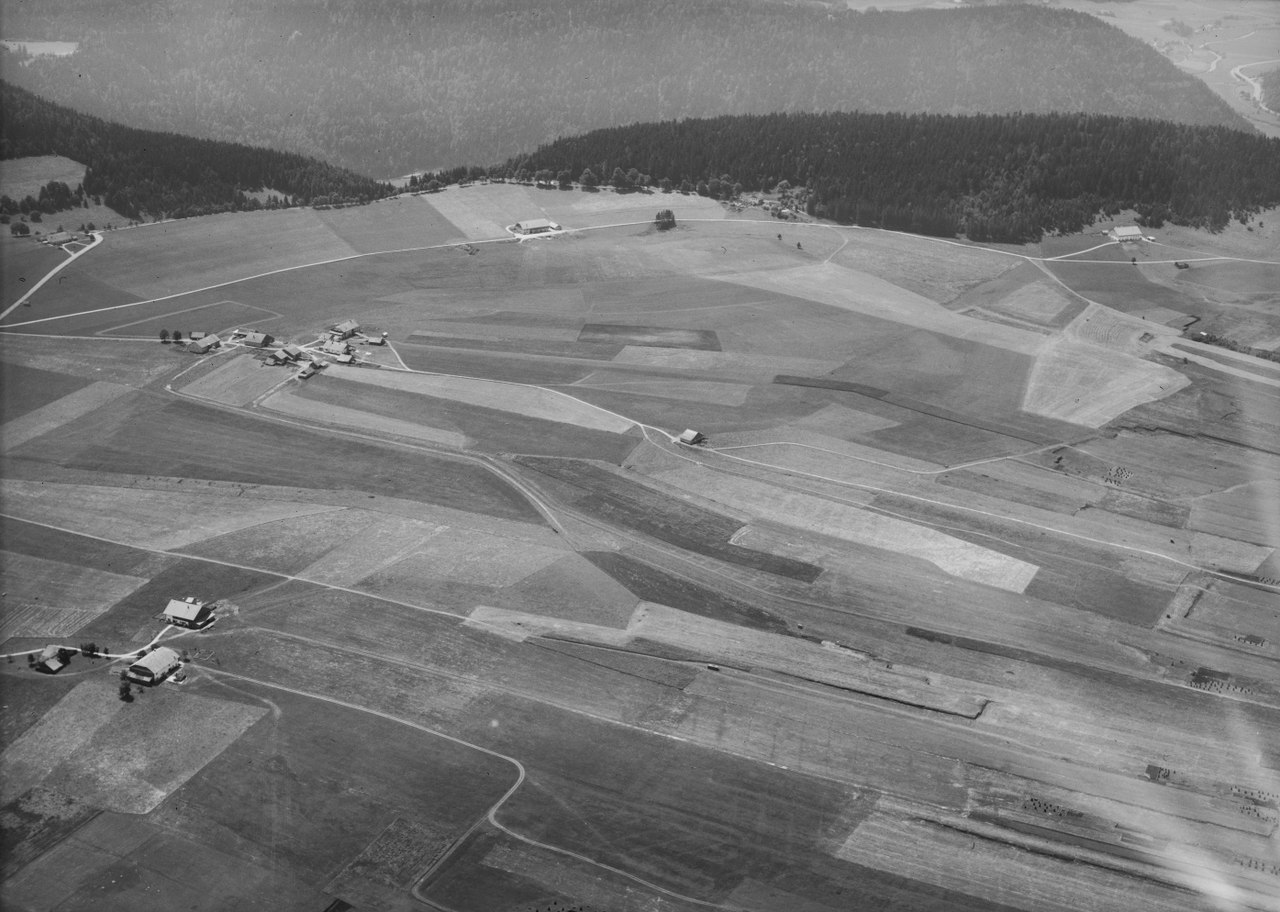
The municipality sits in the Jura foothills and is composed of several small settlements and scattered farms. Local government follows the Swiss model of a communal council (executive) and a communal assembly or elected legislature, responsible for services such as local road maintenance, land-use planning and basic social services. Its landscape is shaped by mixed agriculture, meadows and forested slopes.
History and name
The origins of Brot-Plamboz mirror many rural communities in the region: gradual settlement of valleys and plateaus, parish organisation and agricultural development over centuries. The compound name combines two local place-names that historically referred to neighbouring hamlets or land parcels. Like nearby towns in the Le Locle area, it experienced influence from broader regional economic shifts such as industrialisation and the growth of specialised crafts.
Economy and daily life
Economic activity is dominated by agriculture, dairy farming and forestry, complemented by small businesses and some residents who commute to larger towns for work. The municipality benefits from proximity to Le Locle and other Jura centres, where watchmaking and precision engineering historically provided employment. Local life emphasizes community events, seasonal agricultural rhythms and outdoor recreation.
Culture, amenities and environment
Community services are typical for a small Swiss commune: a primary school or shared educational arrangements with neighbouring communes, volunteer organisations and basic municipal facilities. The surrounding countryside offers walking trails, open pastures and a quiet environment valued for biodiversity and low-density settlement. The coat of arms and municipal symbols reflect local identity, while cultural life often connects to cantonal institutions.
Notable facts and distinctions
- Part of the Le Locle district, an area known for its horological heritage and Jura landscapes.
- Maintains a predominantly rural economy with strong ties to forestry and agriculture.
- Typical of small Swiss communes in balancing local tradition with regional integration.
For administrative details, demographic statistics and contemporary municipal news, consult official cantonal resources or the municipality’s own communications channels.
Tags
Related articles
Author
AlegsaOnline.com Brot-Plamboz (municipality, Neuchâtel) Leandro Alegsa
URL: https://en.alegsaonline.com/art/14749
Sources
- bfs.admin.ch : "Arealstatistik Standard - Gemeinden nach 4 Hauptbereichen"
- bfs.admin.ch : "Ständige Wohnbevölkerung nach Staatsangehörigkeitskategorie Geschlecht und Gemeinde; Provisorische Jahresergebnisse; 2018"
- commons.wikimedia.org : Brot-Plamboz