
Veenendaal (municipality in Utrecht, Netherlands)
Veenendaal is a town and municipality on the eastern edge of the province of Utrecht, Netherlands. In 2019 it had about 65,589 residents and grew from peat-digging origins into a mixed urban community.
Veenendaal is a municipality and town in the central Netherlands, located on the eastern edge of the Dutch province of Utrecht. The municipality had approximately 65,589 inhabitants in 2019. Today it functions as a regional centre combining residential neighbourhoods, commercial zones and local industry within a compact urban area.
Image gallery
8 Images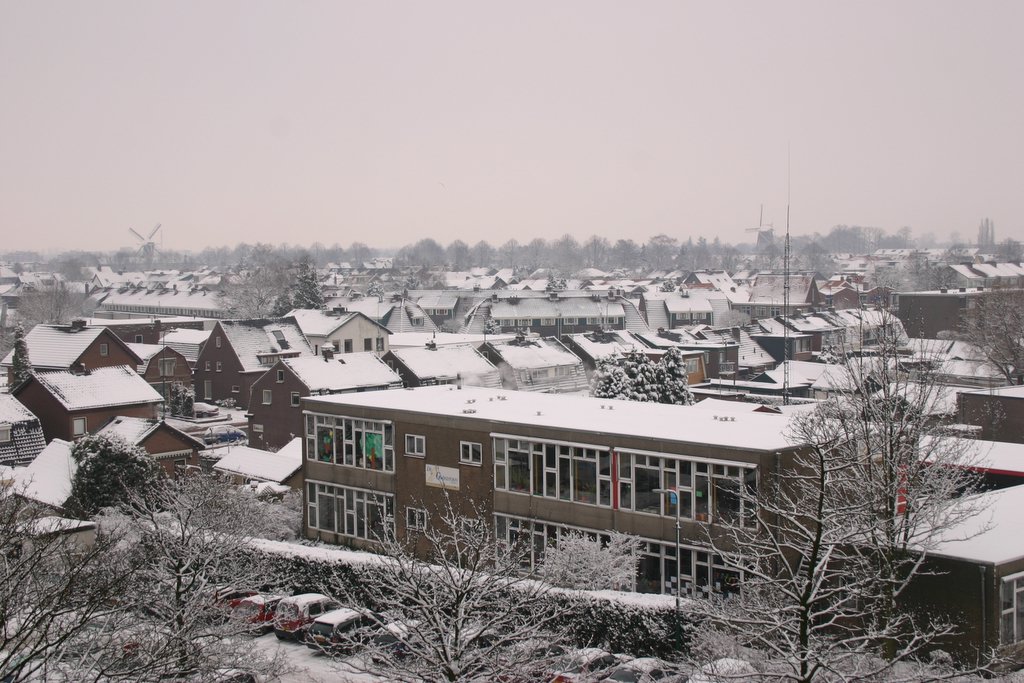




Overview and layout
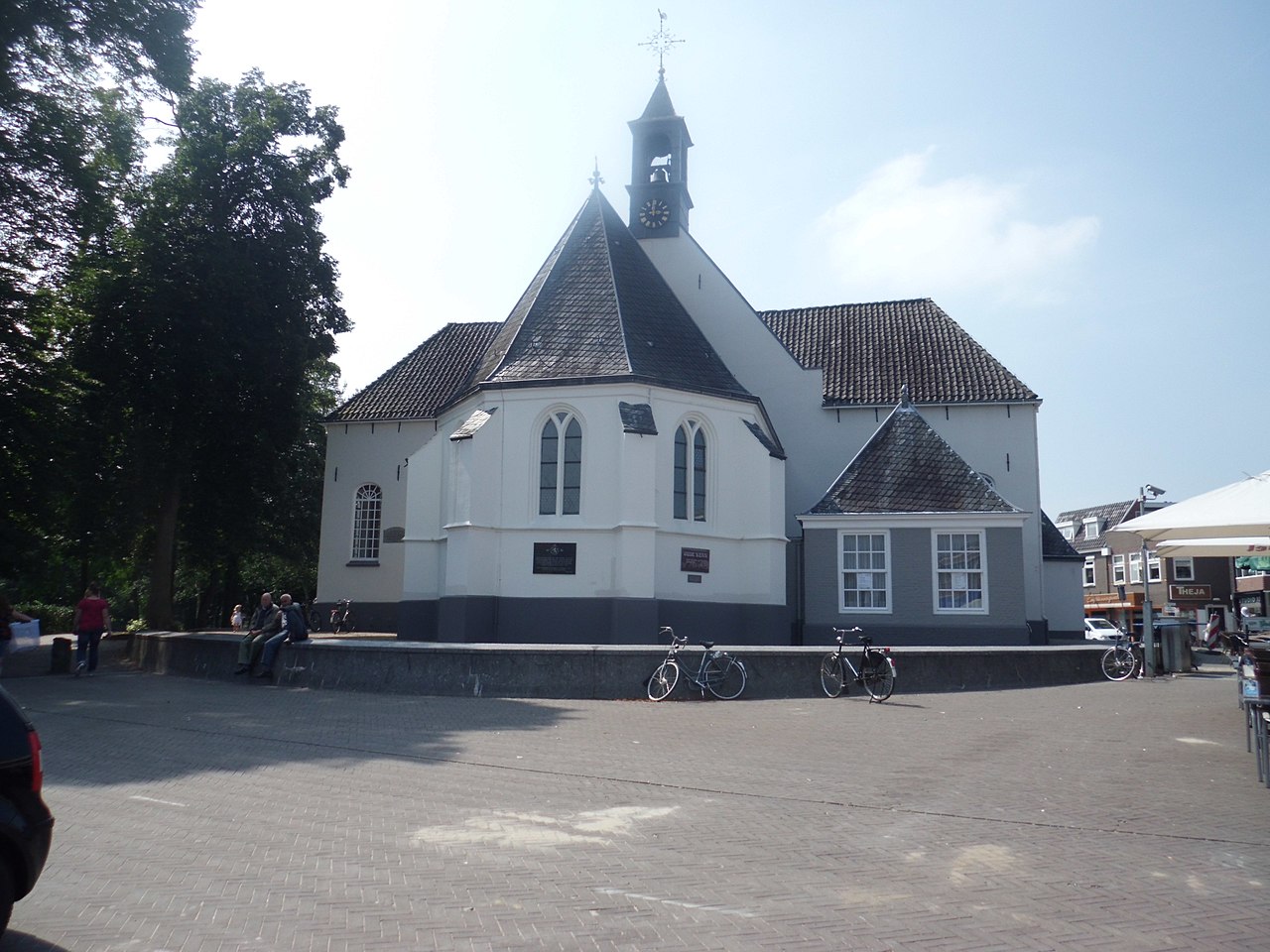
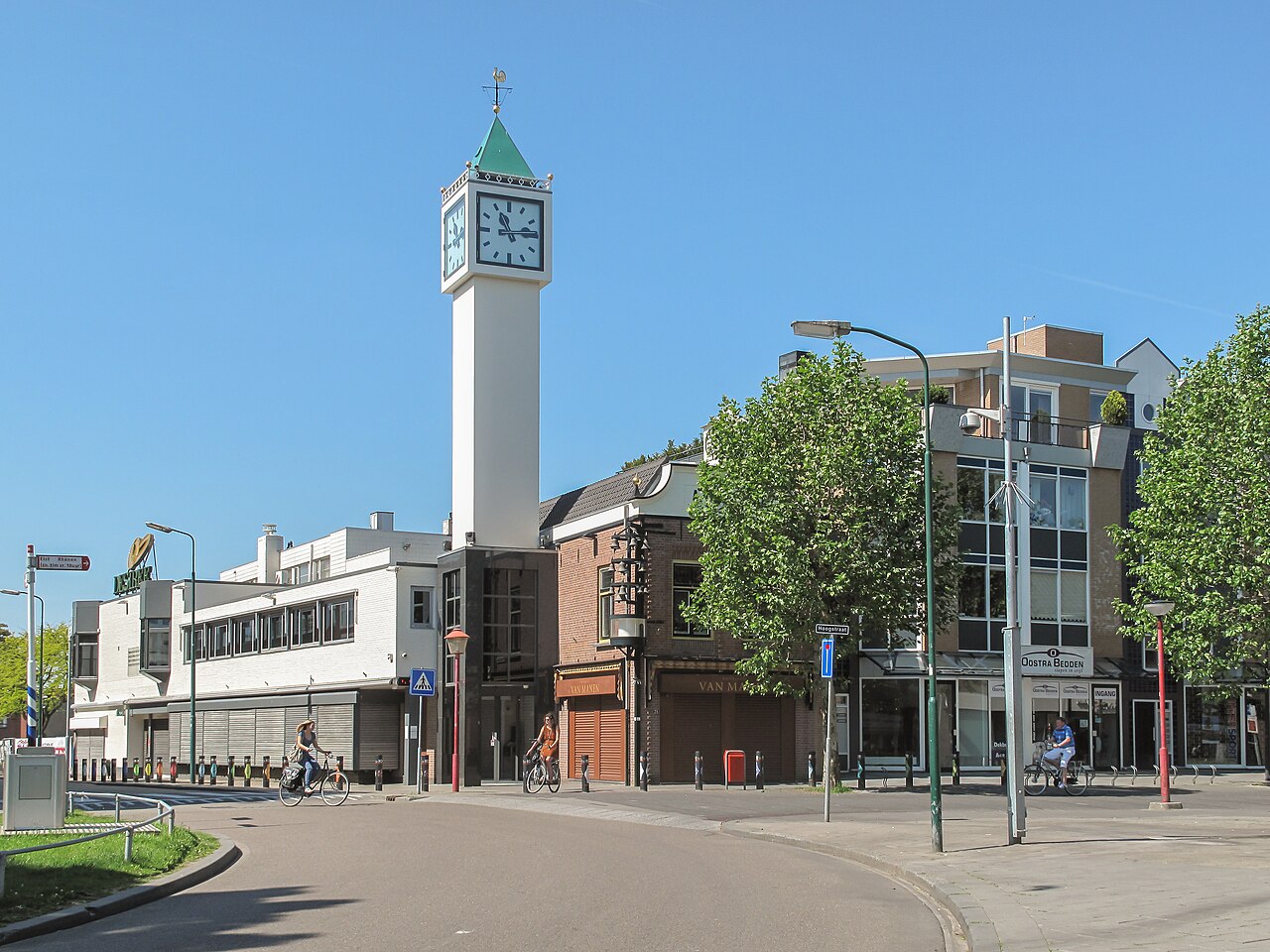
Veenendaal's built environment mixes older centre streets with post‑war and contemporary housing estates. The municipality includes several neighbourhoods and small business parks and provides services for surrounding towns and countryside. Public amenities typically include schools, municipal services, retail centres and recreational green space.
History and origins
The name Veenendaal refers to peatland (veen) and a valley or dale (daal/dal). The settlement grew from peat‑digging and related rural activities; over time it developed light manufacturing and textile trades that shaped its 19th‑ and 20th‑century expansion. In recent decades the local economy shifted toward services and small enterprises while preserving links to its historical roots.
Economy, culture and transport
The local economy is diverse for a town of its size: retail, small manufacturing, professional services and logistics all play a part. Cultural life is centred on public venues, community organisations and annual events that attract residents from the surrounding region. Veenendaal is connected by road and rail to larger Dutch cities, allowing commuting and regional travel.
Characteristics and notable facts
- Population: roughly mid‑60,000s (2019 figure: 65,589).
- Location: eastern edge of Utrecht province, serving nearby rural areas.
- Origins: developed from peat extraction and later small‑scale industry.
- Function: regional service centre with residential, commercial and recreational facilities.
Veenendaal illustrates a common pattern in Dutch municipal development: a settlement with rural and industrial origins that has urbanised into a mixed, service-oriented municipality while retaining local identity. For administrative and travel information consult municipal sources and regional transport guides.
Author
AlegsaOnline.com Veenendaal (municipality in Utrecht, Netherlands) Leandro Alegsa
URL: https://en.alegsaonline.com/art/147222