
Tibor Baránszki — Hungarian‑American rescuer and educator
Tibor Baránszki (1922–2019) was a Hungarian‑American activist and educator credited with helping save over 3,000 Hungarian Jews during the Holocaust; later imprisoned, honored by Yad Vashem, and active in Holocaust remembrance.
Overview
Tibor Baránszki (Hungarian: Baránszki Tibor; June 11, 1922 – January 20, 2019) was a Hungarian‑American activist and educator known for his role in rescuing Jewish people in Hungary during World War II. Contemporary accounts attribute to him actions that led to the survival of more than 3,000 Hungarian Jewish women, men and children. After the war he endured imprisonment under the Soviet authorities, later emigrated to the United States, and remained engaged in public education and Holocaust remembrance.
Image gallery
3 Images
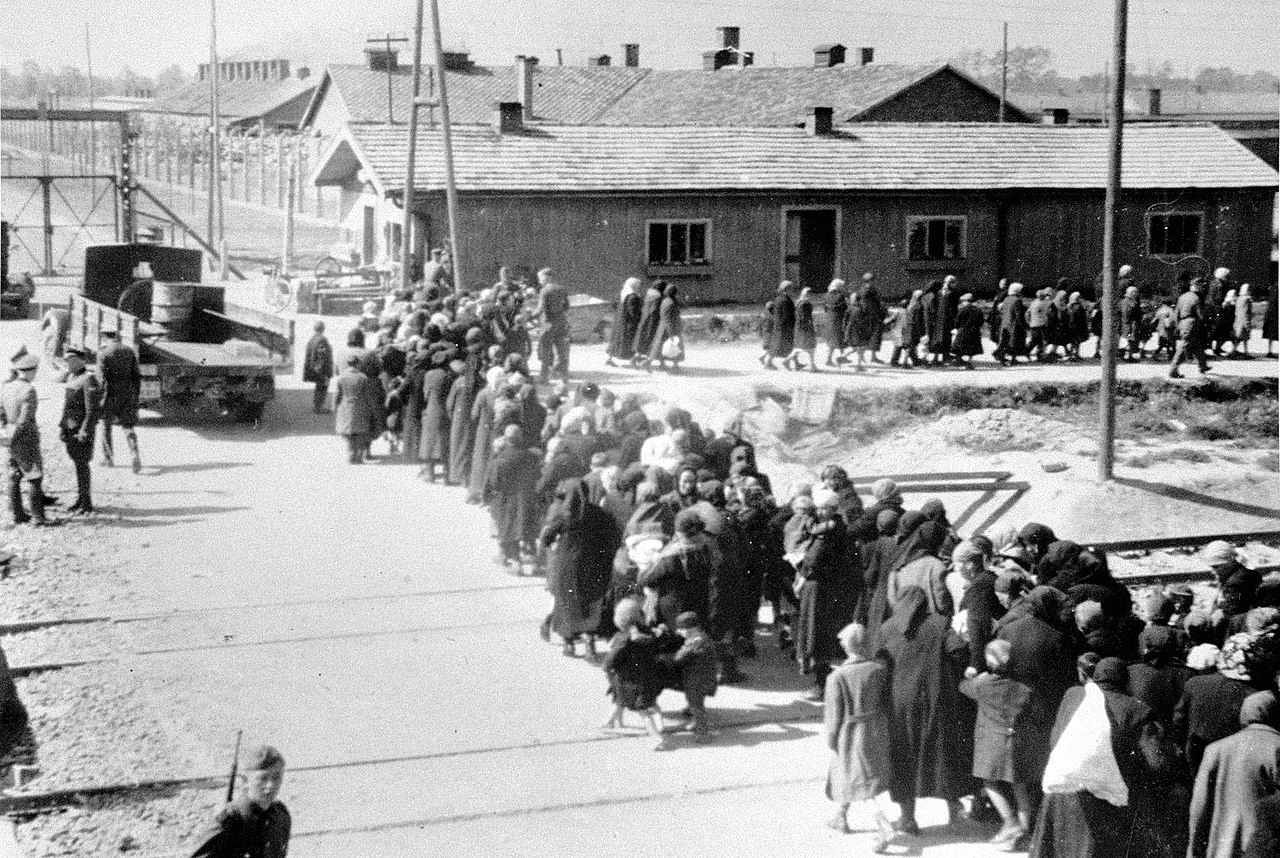

Wartime activities and imprisonment
During the German occupation of Hungary and the subsequent deportations of Jews in 1944, Baránszki carried out rescue-related activities that have been recognized by historians and memorial institutions. His wartime experiences included arrest by Soviet forces on December 30, 1944 and a forced march of roughly 160 miles over sixteen days toward a Soviet detention site. He was held until the early 1950s and released in the aftermath of Joseph Stalin's death in 1953, a moment that led to the release or review of many political detainees across the Soviet sphere of influence (Joseph Stalin).
Postwar life, emigration and career
Baránszki left Hungary during the upheavals around the Hungarian Revolution of 1956 and established a life in the United States where he worked as an educator and public advocate. He combined teaching and public speaking with involvement in organizations that promote awareness of the Holocaust and its lessons. His later activities included participation in institutional efforts to commemorate victims and to encourage education about totalitarianism and human rights.
Recognition and legacy
On January 11, 1979, Tibor Baránszki was formally recognized as one of the Righteous Among the Nations, an honorific title granted to non‑Jews who risked their lives to save Jews during the Holocaust. The recognition was conferred by Yad Vashem, Israel's official memorial to the victims of the Holocaust. He also served on bodies concerned with remembrance and education, including the U.S. Holocaust Memorial Council, helping to shape public memory and instruction about the years of the Shoah.
Notable facts and significance
- Credited with actions that aided the survival of more than 3,000 Hungarian Jews during 1944–1945.
- Arrested by Soviet forces at the end of 1944 and subjected to a lengthy forced march and imprisonment, released after Stalin's death in 1953.
- Emigrated following the 1956 Hungarian uprising and built a postwar career in the United States as an educator and civic participant.
- Honored by Yad Vashem as Righteous Among the Nations in 1979 and engaged in Holocaust remembrance and education until later life.
Baránszki's life illustrates several broader themes of twentieth‑century Central European history: the extremes of wartime rescue and persecution, the shifting regimes of the postwar period, and the role of exile communities in preserving memory and teaching subsequent generations about moral choices under duress. His story is cited in discussions of individual resistance, rescue efforts in wartime Budapest, and the long postwar struggle to document and remember acts of courage amid atrocity.
Author
AlegsaOnline.com Tibor Baránszki — Hungarian‑American rescuer and educator Leandro Alegsa
URL: https://en.alegsaonline.com/art/146755