
Thornton, Colorado — Denver-area city and suburban community
Thornton is a home-rule city in the Denver metropolitan area of Colorado, primarily in Adams County. It developed as a mid-20th‑century suburb and today combines residential neighborhoods, parks, and regional services.

Thornton is a city and suburban community in the Denver metropolitan region. It lies in the northern part of the metro area and is located primarily within Adams County, with portions extending into adjacent county areas. Thornton is part of the broader landscape of Colorado and the United States, offering a mixture of residential neighborhoods, commercial centers and open space.
Image gallery
3 Images

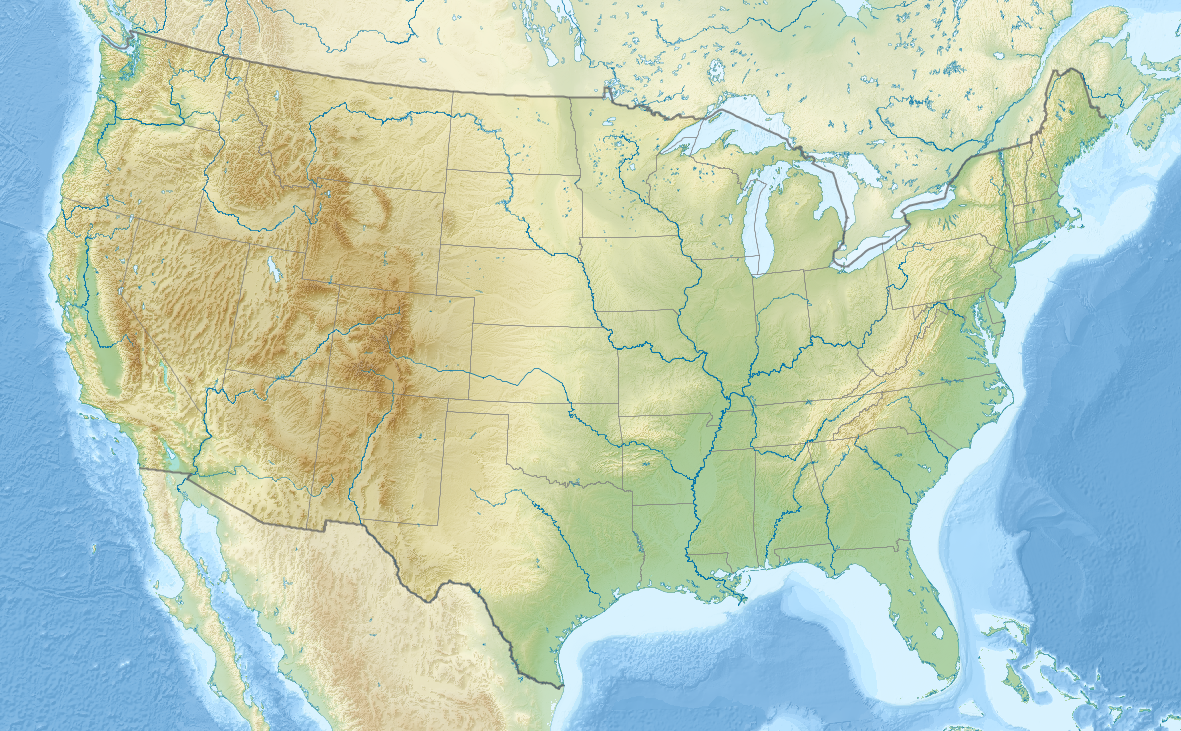
Overview and character
Established during the post‑World War II era of suburban growth, Thornton grew from agricultural land into a largely residential municipality. It functions as a commuter community for the nearby city center while maintaining its own shopping districts, parks and public facilities. The city is organized under a municipal government and provides typical city services such as public safety, libraries and recreation.
Key features
- Residential neighborhoods with a range of housing types and community parks.
- Regional retail centers, small business districts and local employers.
- Recreational amenities including trails, open space and community centers.
History and development
Thornton’s transformation accelerated in the mid‑20th century as Denver’s suburban belt expanded northward. Over subsequent decades the city added infrastructure, schools and municipal institutions to support a growing population. Development has balanced new neighborhoods with preservation of some natural corridors and planned parks.
Government, services and role
Operating as a municipal government, Thornton provides utilities, public safety and planning responsibilities typical of a home‑rule city. Local schools, health services and transit connections tie Thornton into the wider Denver metropolitan economy, enabling residents to commute regionally while using many services locally.
Notable facts
Thornton is one of the sizable suburbs carved out during Colorado’s postwar expansion. It is recognized for steady residential growth, community parks and its role as a regional service center. For official information, see the city’s municipal pages and state resources such as the city and state portals.
Author
AlegsaOnline.com Thornton, Colorado — Denver-area city and suburban community Leandro Alegsa
URL: https://en.alegsaonline.com/art/146742