
The Swarm (1978 film)
Irwin Allen's 1978 ensemble disaster film about a lethal insect swarm; known for its star-studded cast, large scale production and poor critical and commercial reception.
Overview
The Swarm is a 1978 American science fiction horror film produced and directed by Irwin Allen. Told on the scale of late-1970s disaster pictures, it dramatizes the arrival of an aggressive, deadly swarm of bees that threatens communities and forces scientists and officials into desperate countermeasures. The picture is notable for its large ensemble cast, high production values for the genre, and a release by a major studio.
Image gallery
1 Image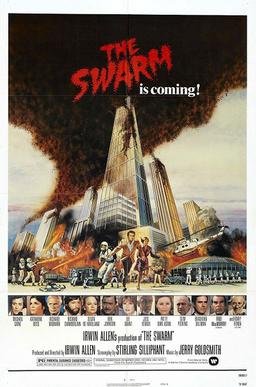
Cast and principal credits
The film assembles many well-known screen performers in supporting and leading roles. Principal cast members include:
- Michael Caine
- Katharine Ross
- Richard Widmark
- Richard Chamberlain
- Olivia de Havilland
- Ben Johnson
- Lee Grant
- José Ferrer
- Patty Duke
- Slim Pickens
- Bradford Dillman
- Fred MacMurray
- Henry Fonda
The film was distributed by Warner Bros. and fits within Irwin Allen's pattern of large-cast, multi-thread catastrophe pictures.
Production and style
Conceived as a wide-release, mainstream horror-disaster hybrid, The Swarm used a combination of live-insect footage, practical effects and large-scale set pieces to stage attacks and emergency responses. The structure intercuts between scientific teams, military responses and civilian victims in the way many ensemble disaster films do, aiming to balance spectacle with human drama. Allen's production emphasized spectacle and star value more than scientific detail.
Reception and legacy
On release the film earned largely negative reviews and failed to recoup expectations at the box office. Critics faulted the screenplay and tonal inconsistencies and some audiences found the effects unconvincing. Over time the picture has been discussed in histories of the disaster-film cycle of the 1970s and sometimes appears in lists of notable commercial failures; it has also attracted attention from viewers interested in camp, cult cinema and the career of Irwin Allen.
Context and comparisons
The Swarm is part of a longer tradition of films about dangerous insects and nature run amok, following earlier science-fiction works that used swarms as a metaphor for uncontrollable threats. It is often compared with both classic 1950s creature features and later environmental or eco-horror movies. While not celebrated for its artistry, it remains a reference point for discussions about ensemble disaster filmmaking, studio spectacle, and how Hollywood stages large-scale threats on screen.
Author
AlegsaOnline.com The Swarm (1978 film) Leandro Alegsa
URL: https://en.alegsaonline.com/art/146693