
The Cabinet of Dr. Caligari (1920 German silent film)
Iconic 1920 German silent film directed by Robert Wiene, a landmark of German Expressionism known for its stylized sets, jagged visuals, uncanny acting, and a pioneering narrative twist.
The Cabinet of Dr. Caligari first reached audiences in 1920. Its original German title is Das Cabinet des Dr. Caligari and it is commonly described as a 1920 production of the silent screen era. The film was directed by Robert Wiene and features a leading performance by Conrad Veidt. It is usually categorized as a silent film and is one of the best-known examples of early twentieth-century European cinema.
The movie is most celebrated for its visual language. Produced during the period of German Expressionist art and theater, it uses deliberately distorted, angular sets, painted backdrops and exaggerated lighting to create a sense of psychological unease. A small team of designers and artists created these backdrops to reject naturalism and to make interior states visible on stage-like scenery. Performers often adopted a stylized, jerky movement that matched the abstract environments.
At the story level the film unfolds as a framed narrative about a somnambulist named Cesare and the mysterious Dr. Caligari, whose control over the sleepwalker leads to a series of crimes. The plot culminates in a revealing conclusion that reconfigures what the audience believes to be true; this narrative reversal is frequently cited as an early example of a "twist ending." Its themes — authority, madness and social control — helped the film become an enduring touchstone for psychological and horror-adjacent storytelling.
Image gallery
10 Images
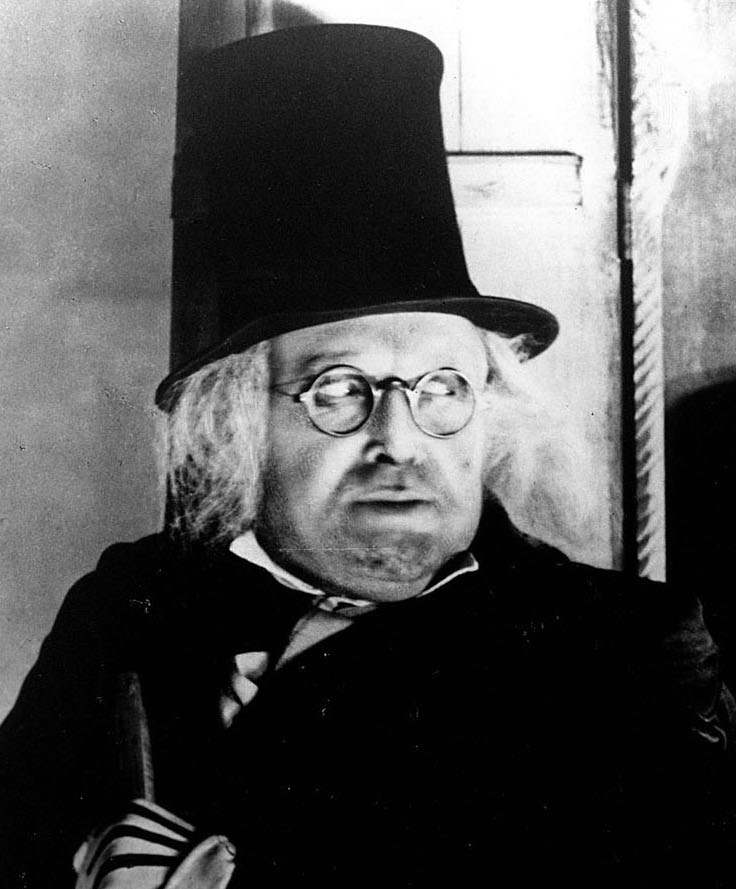


Features, history and influence
- Innovative production design: sets that emphasize mood over realism and that influenced later cinematic styles.
- Acting and staging: performances that favor expression and physicality rather than naturalistic detail.
- Narrative technique: an early use of an unreliable frame narrator and a surprising final revelation.
- Legacy: the film shaped subsequent horror cinema, film noir aesthetics, and theatrical scenography.
Since its release the film has been studied, restored and reissued in various forms; scholarship highlights its role in shaping visual storytelling and its commentary on authority and perception. Modern viewers encounter it both as a historical document of post‑World War I German culture and as a striking early experiment in how cinema can use design, movement and narrative structure to affect emotion and meaning.
Author
AlegsaOnline.com The Cabinet of Dr. Caligari (1920 German silent film) Leandro Alegsa
URL: https://en.alegsaonline.com/art/146578