
Stopper (plug): function, types, and materials
A stopper (or plug/bung) is an object used to seal containers. This article explains common types, materials, laboratory and commercial uses, historical background, and practical distinctions.
A stopper, often called a plug or bung and sometimes specifically a cork when made from corkwood, is a small object designed to close or seal the opening of a container. Stoppers prevent liquids or gases from escaping, keep contaminants out, and can control flow when fitted with holes or fittings. They are used across everyday packaging and specialised fields such as laboratories and brewing.
Image gallery
4 Images
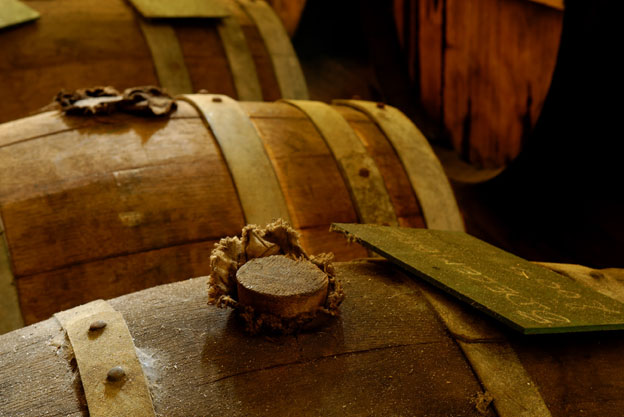


Common materials and shapes
Stoppers are produced from a range of materials chosen for chemical resistance, compressibility, and longevity. Typical choices include natural cork, rubber, silicone, plastics, glass and metal. Shapes vary by application: cylindrical, tapered, spherical, or custom ground for a close fit in glassware.
Types and specialised forms
- Natural cork: traditional in wine bottles and small wooden barrels.
- Rubber and silicone: common in laboratory and industrial use for flexible sealing and temperature resistance.
- Ground glass stoppers: precisely matched to glass bottles and flasks for airtight seals in chemistry.
- Plastic screw plugs and threaded caps: used for mass-produced consumer containers.
- Stopper with fittings: designed with holes or barbs to accept tubing or valves for controlled gas/liquid transfer.
In laboratory contexts, stoppers are integral to laboratory glassware such as test tubes, flasks and bottles; they may be drilled to accommodate thermometers, tubing or septa for syringe puncture. Selection depends on chemical compatibility and the need for an airtight, pressure-safe closure.
Historically, cork has been used for millennia because of its elasticity and impermeability, while modern synthetic materials were adopted as industrial production and chemical demands increased. Contemporary choices balance performance, cost and environmental impact: natural cork is renewable, whereas some plastics raise recycling concerns.
Practical considerations when choosing a stopper include size and fit, resistance to chemicals and temperature, ease of removal, and whether a seal must be reusable or disposable. Distinctions: a stopper seals by friction and fit, while caps often thread on; bungs are generally used for larger barrels or vats. Proper selection improves safety and preserves the contents' quality.
Author
AlegsaOnline.com Stopper (plug): function, types, and materials Leandro Alegsa
URL: https://en.alegsaonline.com/art/146203