
Stanley Ho — Macau gambling magnate and entrepreneur
Stanley Ho (1921–2020) was a Hong Kong–Macau business magnate who built a casino empire through SJM and Shun Tak, shaping Macau's economy and gambling industry for decades.
Stanley Ho (25 November 1921 – 26 May 2020) was a prominent Hong Kong–Macau businessman and philanthropist widely associated with the rise of Macau as a global gambling centre. Often called the "King of Gambling" or the "Godfather" of Macau, he founded the casino operator SJM Holdings and the diversified conglomerate Shun Tak. His Chinese name was 何鴻燊, and he received multiple honors over his lifetime for commercial and public service.
Image gallery
4 Images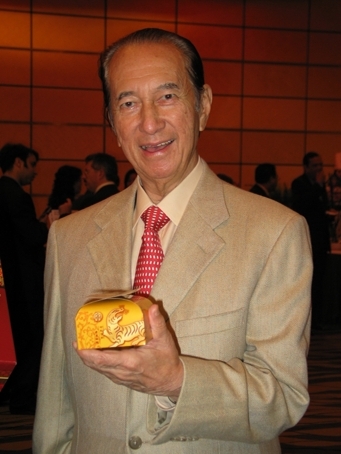


Business activities and holdings
Ho built a business network that combined casino operations with property, transportation and tourism. He established SJM Holdings (originally Sociedade de Jogos de Macau) to manage gambling concessions and operated iconic venues such as the Grand Lisboa and other properties that made up a large portion of Macau's casino capacity. Through Shun Tak Holdings he developed interests in shipping, real estate, ferry services and hospitality, creating links between Hong Kong, Macau and regional markets.
Role in Macau's gambling industry
In the mid-20th century Ho secured exclusive rights that effectively gave him a dominant position in Macau's casino sector for several decades. That dominance shaped Macau's economic structure, urban development and labour market, and contributed to the territory becoming one of the world's highest-grossing gambling jurisdictions. The liberalization of Macau's gaming concessions in the early 2000s opened the market to other international operators and led to rapid expansion and modernization of casino resorts.
Structure and characteristics of his enterprises
- Casino operations: flagship properties and a network of gaming venues that attracted tourists and VIP players.
- Diversified holdings: shipping and ferry services, property development, hotels and tourism services.
- Family involvement: several children and relatives have taken leadership roles in related businesses and new gaming ventures, ensuring continuity and also prompting public interest in succession matters.
Ho's businesses were credited with employing large numbers of people in Macau and supporting secondary industries such as hospitality, retail and construction. For many years his group was a foundational element of the local economy, influencing public policy and urban growth.
Philanthropy and public life
Beyond commerce, Stanley Ho funded charitable, educational and cultural projects in Macau, Hong Kong and mainland China. His philanthropic work included donations to hospitals, universities and community causes, often carried out through family foundations and corporate contributions. Public recognition for both business achievements and charitable giving included awards and titles from Hong Kong and Macau authorities.
Later years and legacy
Ho's later life saw the expansion of international competitors into Macau and the emergence of next-generation executives from within his family and from outside groups. He remained a public figure until his death on 26 May 2020 in a Hong Kong hospital; reports attributed the immediate cause to kidney failure and related complications (place of death, cause of death). His passing prompted discussion about his complex legacy: the economic transformation he helped bring about, the social effects of a casino-centered economy, and the ongoing role of his descendants and former associates in shaping Macau's future.
For further reading on his impact and the development of Macau's gaming sector, see corporate histories and regional economic analyses that document the transition from a locally controlled monopoly to an internationalized casino market (Macau casinos and developments).
Author
AlegsaOnline.com Stanley Ho — Macau gambling magnate and entrepreneur Leandro Alegsa
URL: https://en.alegsaonline.com/art/146104