
St. John's, Antigua and Barbuda
Capital and largest city of Antigua and Barbuda, St. John's is a historic Caribbean port and administrative, commercial, and cultural center on the island of Antigua.
Overview
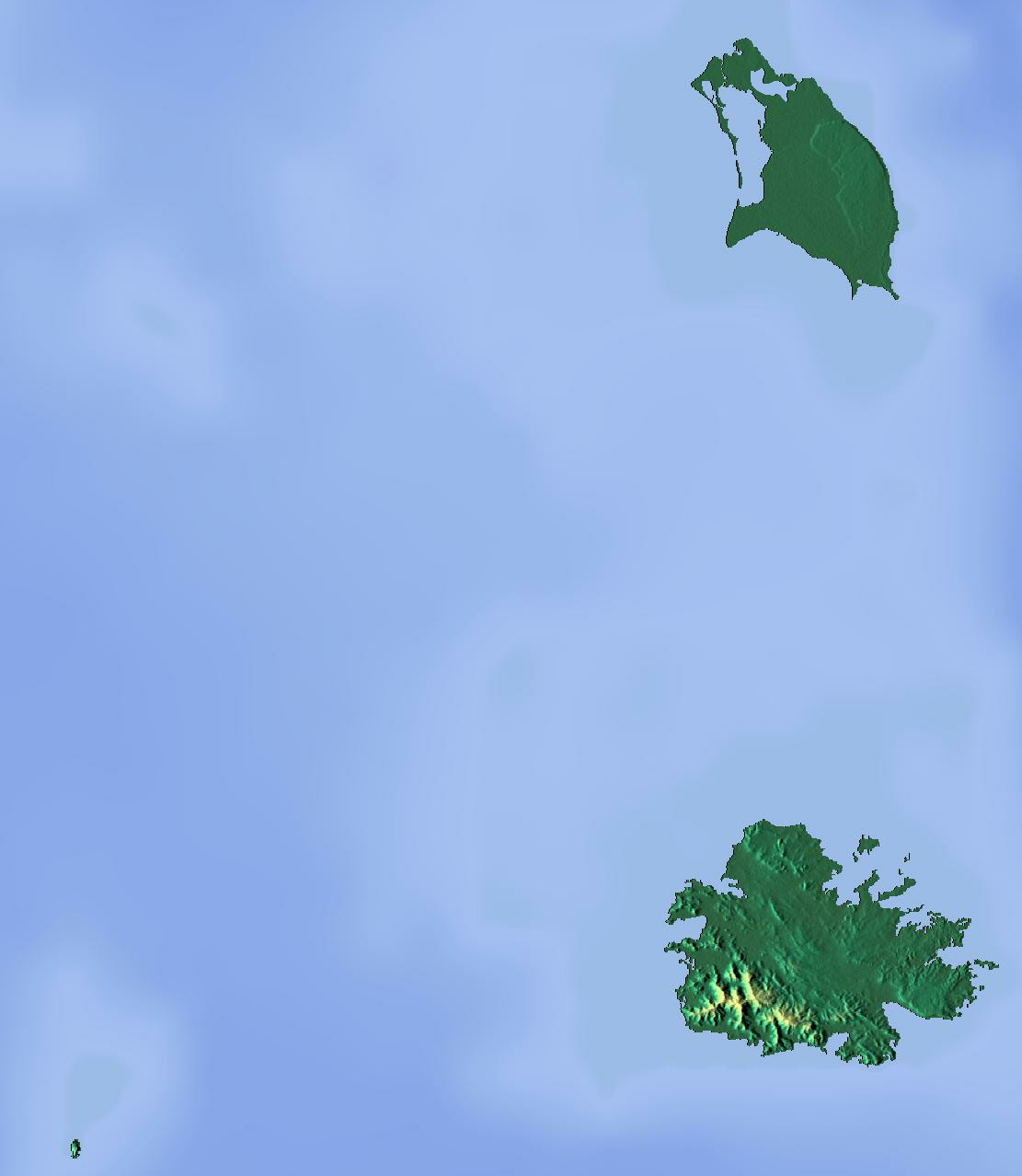
St. John's is the principal city and capital of the nation of Antigua and Barbuda, located on the island of Antigua in the eastern Caribbean. It occupies a sheltered harbor on the northwest coast and functions as the country's main hub for government, commerce and maritime transport. The city combines contemporary civic institutions with visible reminders of its colonial past.
Image gallery
10 Images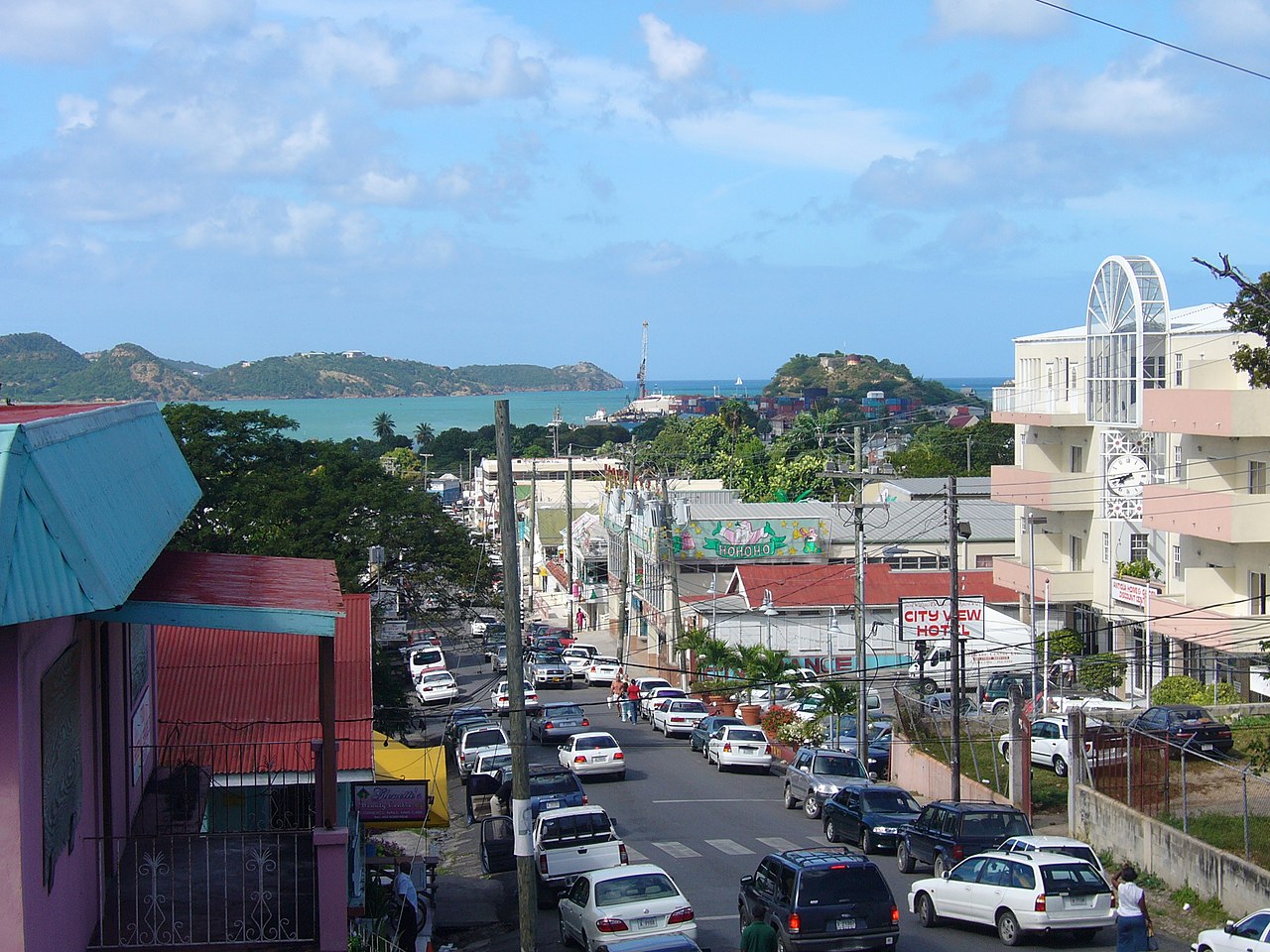




Layout and notable features
The urban fabric centers on the waterfront, where a working port and cruise berths meet shops, markets and historic warehouses. Important landmarks include St. John’s Cathedral, the Museum of Antigua and Barbuda, and the restored warehouses and shops around Redcliffe Quay. Public squares, government offices and small commercial streets radiate inland from the harbor; local markets and businesses serve residents and visitors alike.
History and development
Before European contact the islands were inhabited by indigenous peoples. European settlement and colonial administration established St. John’s as a port and town during the period of British control, tied historically to plantations and maritime trade. Over time the city evolved from a colonial port into the modern administrative capital of an independent state, reflecting changes brought by emancipation, economic shifts and eventual national independence.
Economy, culture and transport
St. John’s economy is driven by services, retail, government administration and tourism. Cruise ships and private yachts bring visitors to the waterfront, while hotels, restaurants and cultural attractions cater to short-stay guests and longer-term travelers. The city is also a regional transport node, with ferry and boat connections to nearby islands and anchorage points in the Lesser Antilles. Educational institutions and medical schools contribute to its professional and international profile.
Visitors and significance
For visitors, St. John’s offers markets, colonial architecture, museums and seasonal festivals such as the island’s summer Carnival. Its combination of government functions, commercial activity and cultural sites makes St. John’s the focal point of political life and everyday commerce in Antigua and Barbuda, while serving as an accessible introduction to the nation’s history and coastal environment.
Author
AlegsaOnline.com St. John's, Antigua and Barbuda Leandro Alegsa
URL: https://en.alegsaonline.com/art/146039