
Shiawassee County, Michigan: overview, history, geography, and communities
County in central Lower Peninsula Michigan; county seat Corunna, largest city Owosso; 2010 population 70,648. Covers local government, geography, history, economy and notable features.
Shiawassee County lies in the central part of the Lower Peninsula of the U.S. state known as Michigan. It is a mixed rural and small-city county with agricultural land, woodlands and river corridors. According to the 2010 United States Census, the county had 70,648 residents. The county government is based in the county seat, Corunna, while the largest municipality and regional commercial center is Owosso; both communities contribute to county services and identity via shared institutions and events (Corunna).
Image gallery
3 Images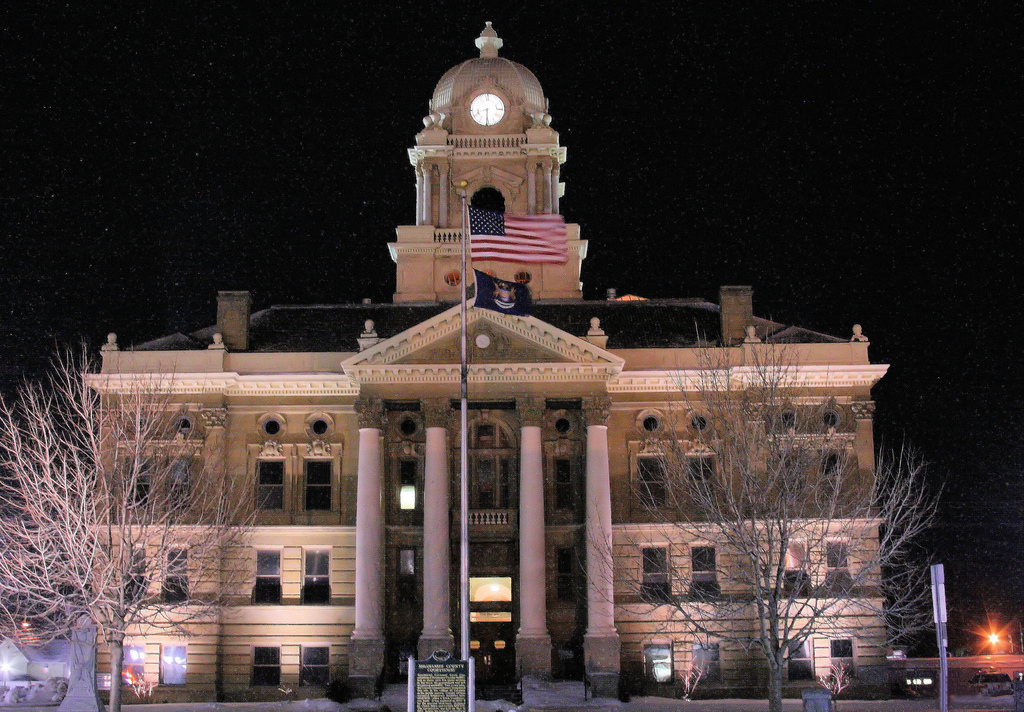


Geography and communities
Shiawassee County's landscape is typical of mid-Michigan: low rolling fields, small lakes, wetlands and the Shiawassee River valley. Settlements include small cities, villages and townships that function as local service and farming centers. Transportation links connect the county to larger nearby metropolitan areas for employment, health care and higher education.
Municipalities and adjacent areas
- Principal cities: Owosso (largest), Corunna (seat)
- Smaller communities: several villages and many civil townships
- Neighboring counties: the county sits amid other central-Michigan counties, forming economic and cultural ties across county lines
History and development
The county developed during the 19th century as Michigan was settled and organized. Agriculture and small manufacturing shaped early growth, with mill towns and river-powered industry at the core of many communities. Over time, transportation improvements and regional markets influenced settlement patterns and economic change.
Economy, culture and services
Today the economy blends agriculture, light manufacturing, retail and public services. Local festivals, historical societies and recreational trails reflect community identity. County government provides public safety, courts, land records and planning functions while cooperating with cities and townships on infrastructure and social services.
Notable facts and distinctions
Shiawassee County is often noted for its river landscape and small-town character. Its mix of farmland, historic downtowns and natural areas makes it representative of many central Michigan counties. Visitors and residents value local parks, community events and the convenience of being within driving distance of larger urban centers.
Author
AlegsaOnline.com Shiawassee County, Michigan: overview, history, geography, and communities Leandro Alegsa
URL: https://en.alegsaonline.com/art/145721