
Selma (2014 film)
Selma is Ava DuVernay’s 2014 historical drama about the 1965 Selma to Montgomery voting rights marches, starring David Oyelowo. The film was widely praised and won the Academy Award for Best Original Song.
Overview
Selma is a 2014 historical drama directed by Ava DuVernay and written by Paul Webb. The film dramatizes the 1965 Selma to Montgomery voting rights marches and the political, social, and personal dynamics that surrounded them. It centers on Martin Luther King Jr.'s leadership during a pivotal campaign of the American Civil Rights Movement and depicts events that led to the Voting Rights Act of 1965. The movie premiered in 2014 and received a wider release in early 2015.
Image gallery
5 Images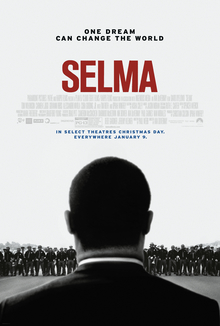



Historical context
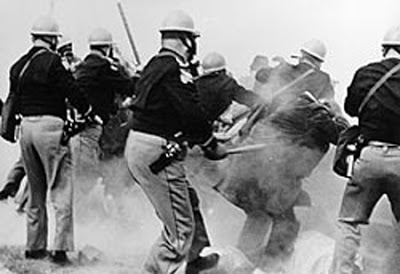
The story follows activists and community organizers as they confront entrenched local resistance and seek federal support. Much of the plot revolves around organizing the marches that began in Selma, Alabama and proceeded to the state capital, Montgomery. These events are often discussed in accounts of the voting rights struggle; for further reading see accounts of the Selma to Montgomery marches. The film situates public demonstrations, political negotiation, and media coverage within the larger civil rights era.
Cast and characters
Selma features a principal cast that portrays both well-known national figures and grassroots leaders. Key performances include:
- David Oyelowo as Martin Luther King Jr., whose portrayal anchors the film.
- Carmen Ejogo as Coretta Scott King, conveying the private pressures on a public leader.
- Tom Wilkinson as President Lyndon B. Johnson, representing federal political maneuvering.
- Tim Roth as Alabama Governor George Wallace, embodying state-level opposition.
- Common as activist James Bevel and other supporting performers who depict organizers and marchers.
Production and direction
Ava DuVernay’s direction emphasizes clarity, composition, and the experiences of participants on the ground. The film was noted for its cinematography, restrained screenplay, and use of archival echoes to connect viewers to the period. Production choices aimed to balance dramatic storytelling with respect for historical individuals and events, while also interpreting private conversations and political negotiations that are not always documented in public records.
Reception and legacy
Selma was met with critical acclaim for performances, direction, and musical elements. It earned multiple award nominations and won the Academy Award for Best Original Song for "Glory," performed by Common and John Legend. The film also generated discussion about historical interpretation—particularly how it portrays the relationship between civil rights leaders and the federal government—prompting historians and viewers to revisit primary sources and accounts.
Importance and distinctions
Selma is often cited for bringing a focused cinematic treatment to a key series of events in the civil rights movement and for spotlighting the strategies and sacrifices involved in voter registration drives. Its mixture of intimate character moments and large-scale public scenes makes it a widely used reference in contemporary conversations about civil rights history and civic participation.
Author
AlegsaOnline.com Selma (2014 film) Leandro Alegsa
URL: https://en.alegsaonline.com/art/145595