
British Rail Railbuses: lightweight vehicles for low-demand branch lines
Railbuses were economical, bus-derived rail vehicles produced by British Rail to serve lightly used routes, leading to later designs like the Pacer family and several preserved examples on heritage lines.
Overview
British Rail developed a series of railbuses as a low-cost alternative to conventional multiple units and locomotive-hauled trains. Intended to cut operating and capital costs on lightly used branch lines, these vehicles combined elements of bus construction with railway running gear to provide basic, economical passenger service.
Image gallery
8 Images




Design and characteristics
Railbuses generally shared a number of defining features: lightweight construction, bus-style bodies or fittings, simple mechanical or hydraulic transmissions, and low-capacity interiors. Their simplicity reduced axle load and fuel consumption but also limited ride comfort and long-term durability compared with heavier rolling stock. Typical features included:
- Bus-derived bodies or seating layouts
- Simple powertrains and components chosen for low cost and ease of maintenance
- Basic suspension and braking designed for low-speed branch services
History and development
British Rail experimented with several prototype and small-production railbuses from the mid-20th century onwards as part of efforts to retain services on rural and marginal routes. These experiments informed later compact families of lightweight units. The trade-off between affordability and passenger comfort remained a persistent theme in both praise and criticism of the concept.
Uses, examples and legacy
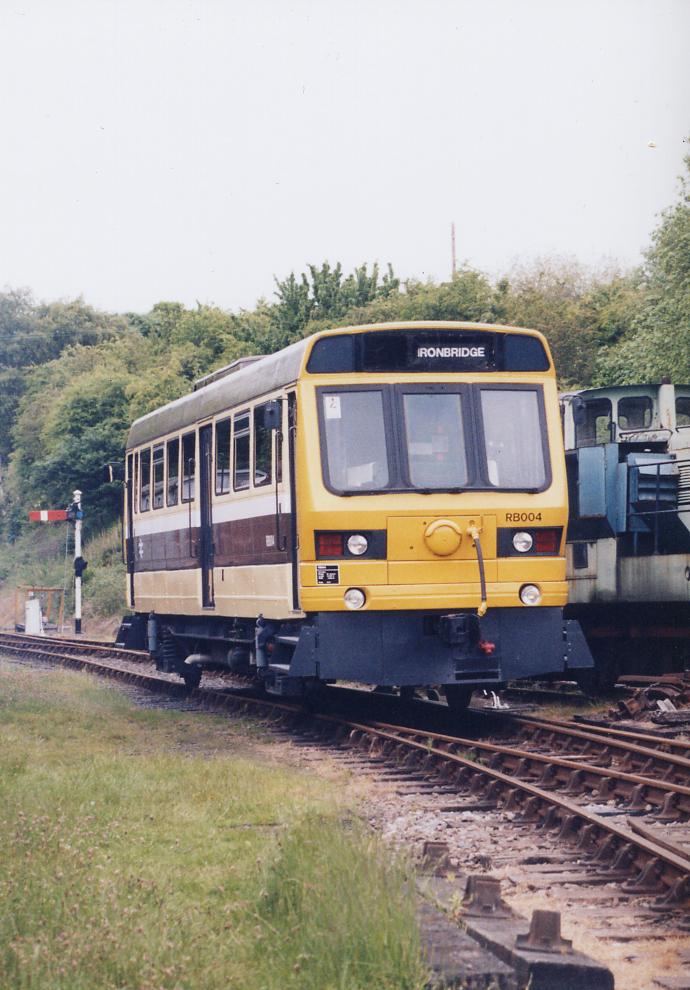
Railbuses were chiefly used on rural and secondary routes where passenger numbers did not justify larger trains. The concept evolved into later low-cost designs such as the Pacer family of units, which used road-vehicle components mounted on rail underframes and operated widely from the 1980s until recent withdrawals. Many former railbus-types and Pacers have since been retired; several examples survive on heritage lines or in preservation.
Notable facts and distinctions
Railbuses are distinct from modern lightweight multiple units in that they often directly borrowed bus parts and manufacturing techniques to minimise expense. While criticised for ride quality and limited lifespan in some cases, they extended passenger services on routes that otherwise might have closed. For further reference see British Rail.
Related articles
Author
AlegsaOnline.com British Rail Railbuses: lightweight vehicles for low-demand branch lines Leandro Alegsa
URL: https://en.alegsaonline.com/art/14554