
Sarrebourg (Moselle, Grand Est, France)
Sarrebourg is a historic commune in northeastern France (Moselle, Grand Est) on the Sarre river. A market town with Franco‑German heritage, local industry, rail links and a medieval core popular with visitors.
Overview
Sarrebourg is a commune of around 12,000 inhabitants in northeastern France. It developed as a market town and river crossing on the Sarre (Saar) and retains a compact medieval centre, civic buildings and a varied local economy. For official local information see the commune page.
Image gallery
3 Images

Location and administration
The town lies in the historic region of Lorraine at the edge of the Vosges foothills and is part of the Grand Est administrative region (Grand Est). Sarrebourg belongs to the Moselle department (Moselle) and is administered as a sub‑prefecture and local service centre. Regional tourism and public services can be consulted through the regional portal (regional services).
History and cultural character
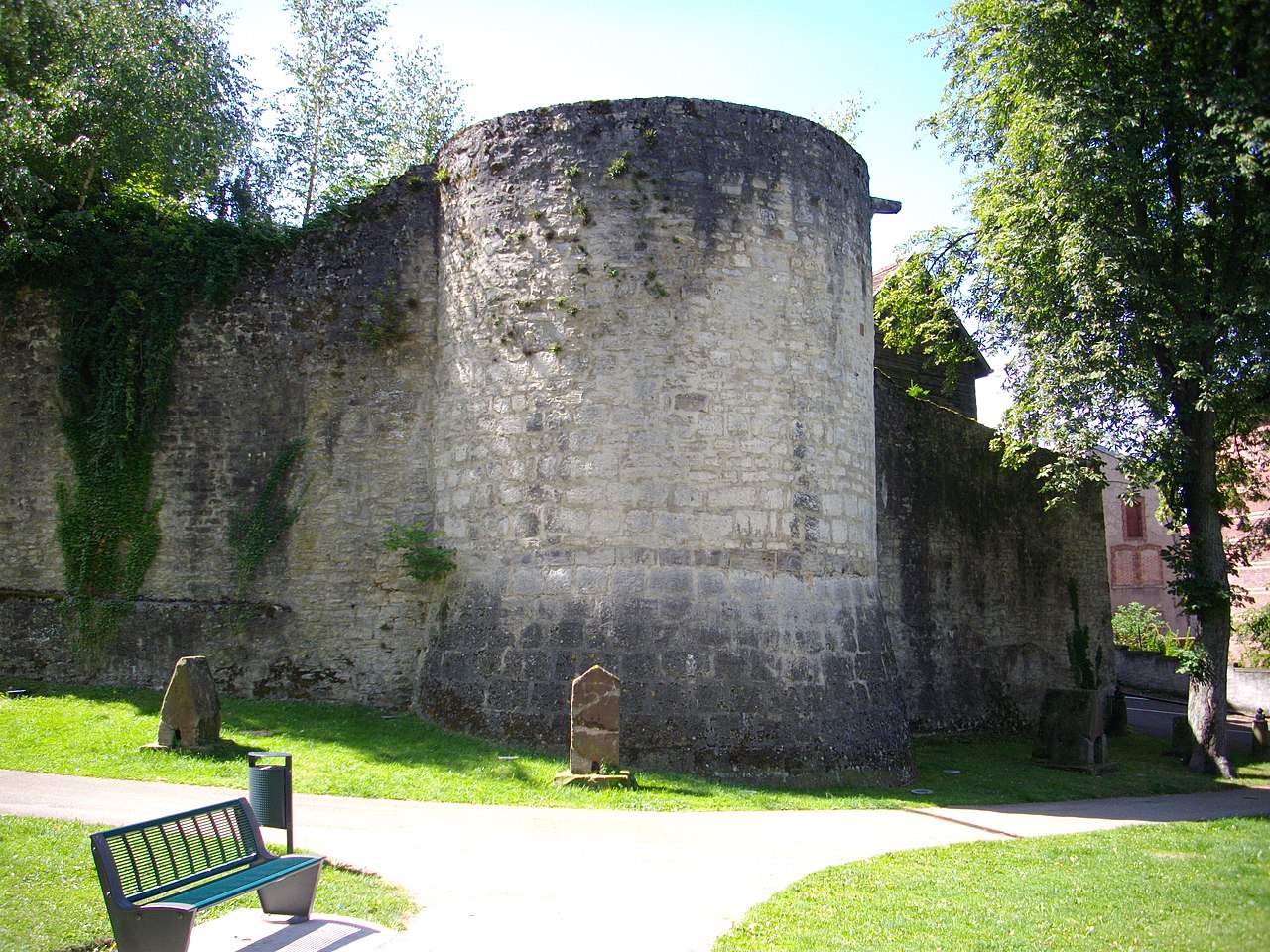
Sarrebourg has a long history shaped by its position between French and German cultural areas. Over centuries this borderland location influenced language, architecture and local customs. The historic centre preserves narrow streets, market places and religious buildings; museums and festivals reflect the Franco‑German heritage and rural traditions.
Economy and daily life
The contemporary economy combines light manufacturing, trade, public services and agriculture on the surrounding plain. Local shops, weekly markets, schools and community associations serve residents. Transport links make the town a modest local hub for commuters and for access to larger regional cities across northeastern France (France).
Transport and landmarks
Sarrebourg is connected by regional roads and railway services, providing links for passengers and freight to neighbouring urban centres. Key points of interest include:
- Historic market streets and the central marketplace
- Notable churches and civic architecture illustrating several periods
- Museums and cultural venues presenting local history and crafts
- Riverside promenades, walking routes and access to nearby Vosges hills
Visitors often use the town as a base for exploring the surrounding countryside and the cultural landscape of Lorraine. Practical visitor information, event calendars and administrative contacts are available from local and regional portals such as the commune site and the Grand Est services pages (commune page, Grand Est, regional services).
Sarrebourg illustrates the mixture of historical continuity and modern functions typical of small urban centres in northeastern France, maintaining regional identity while serving present‑day economic and transport needs.
Author
AlegsaOnline.com Sarrebourg (Moselle, Grand Est, France) Leandro Alegsa
URL: https://en.alegsaonline.com/art/145466