
Sarmatians: Iranic Steppe Peoples of the Pontic–Caspian Region
Iranic-speaking nomadic and semi-nomadic peoples of the Pontic–Caspian steppe (c. 5th century BCE–4th–5th century CE), noted for cavalry warfare, kurgan burials, migration waves and cultural influence on late antiquity.
Overview
The Sarmatians were a conglomeration of Iranic-speaking tribes who dominated parts of the Pontic–Caspian steppe from roughly the first millennium BCE until the early medieval period. Concentrated in territories that include parts of modern present-day Ukraine and neighbouring regions along the Black Sea shore, they formed mobile, horse-centred societies that played a major role in steppe politics and contacts with classical civilizations.
Image gallery
10 Images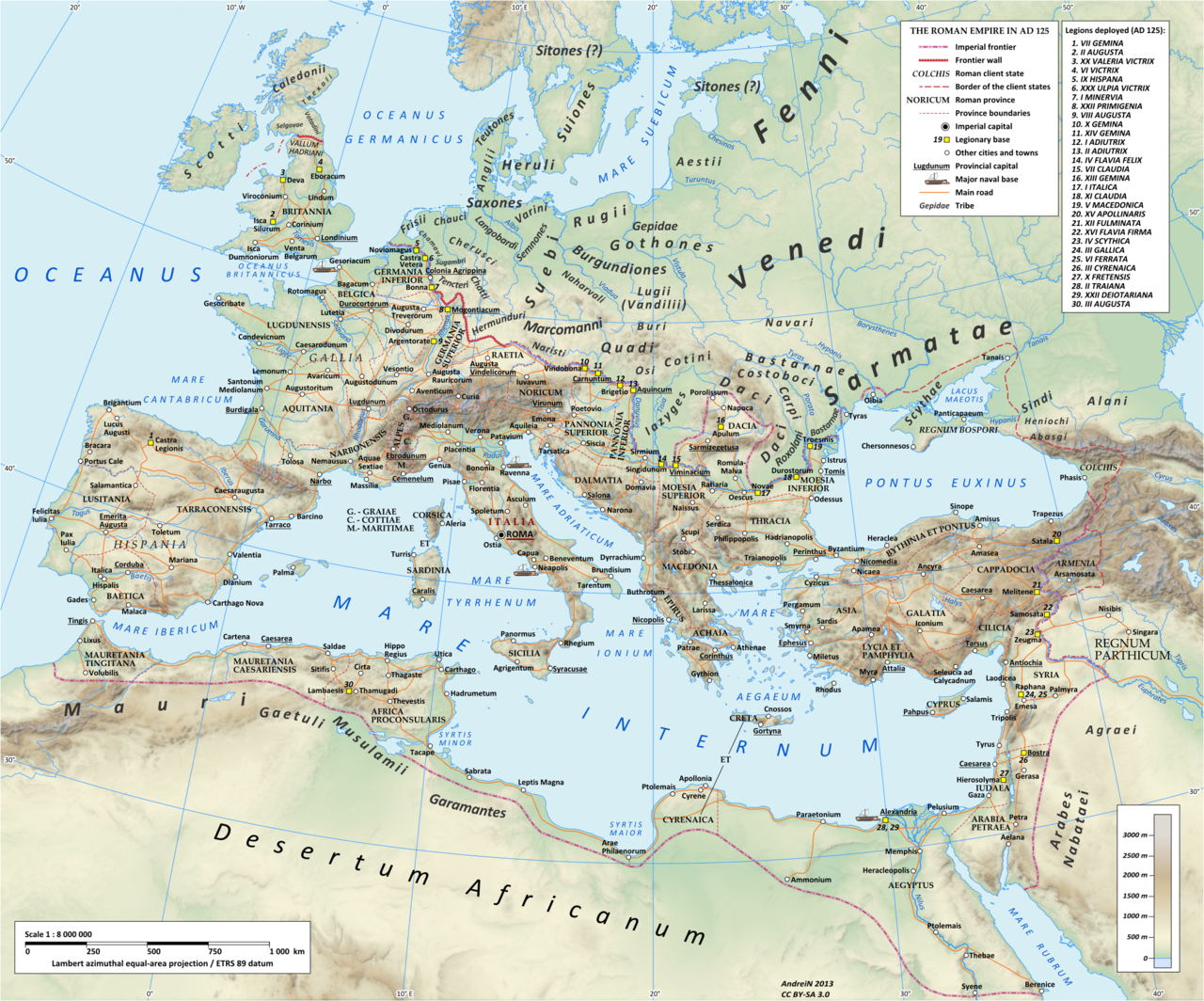


Characteristics and material culture
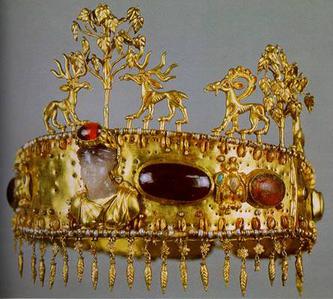
Sarmatian society emphasized mounted warfare, breeding and riding horses, and nomadic or semi-nomadic pastoralism. Archaeological sites yield characteristic kurgan burials containing horse tack, weapons (long lances, sabres and archery gear), personal ornaments and often rich metalwork. Their art shares the so-called "animal style" common across Eurasian steppe cultures. Linguistically they belonged to the Eastern Iranian branch.
History and interactions
Classical authors refer to Sarmatian groups under names such as Sarmatae or Sauromatae. From about the 5th century BCE they expanded westward, displacing or absorbing earlier Scythian populations. Over centuries they engaged with Greek colonies along the Black Sea, the Achaemenid and later Hellenistic states, and the Roman Empire—alternately trading with, raiding, allying with, or serving as mercenaries for these powers.
Notable groups and migrations
- Alans — one of the most prominent Sarmatian confederations; in late antiquity they participated in migrations into Europe and mixed with other barbarian groups.
- Other tribal names recorded by ancient writers and by archaeology represent a fluid patchwork of steppe confederations rather than a single polity.
Legacy and significance
Sarmatians influenced military practice in Europe by emphasising heavily armed lance cavalry, and many served as Roman auxiliary troops stationed far from the steppe. Their burial mounds and metalwork provide vital evidence for steppe lifeways. Elements of their material culture, clothing and equestrian equipment had a long afterlife in medieval steppe and European contexts.
Distinctions and research
Scholars distinguish Sarmatians from earlier Scythians and from later Turkic steppe peoples on linguistic, archaeological and historical grounds. Ongoing excavations and interdisciplinary study of graves, horse gear and inscriptions continue to refine understanding of their social structure, beliefs and movements across Eurasia.
Questions and answers
Q: Who were the Sarmatians?
A: The Sarmatians were groups of Iranic peoples that lived in a region called Sarmatia, which is present-day Ukraine near the Black Sea shore.
Q: When were the Sarmatians flourishing?
A: The Sarmatians were flourishing from the 5th century BC to the 4-5th century AD.
Q: What was the region called where the Sarmatians lived?
A: The region where the Sarmatians lived was called Sarmatia, which is present-day Ukraine near the Black Sea shore.
Q: What is the significance of the Black Sea shore in relation to the Sarmatians?
A: The Black Sea shore was where the Sarmatians lived, in a region called Sarmatia, which is present-day Ukraine near the Black Sea shore.
Q: What kind of people were the Sarmatians?
A: The Sarmatians were Iranic peoples, which means they were of Iranian or Persian descent.
Q: For how many centuries were the Sarmatians flourishing?
A: The Sarmatians were flourishing for approximately 9 centuries, from the 5th century BC to the 4-5th century AD.
Q: In what language did the Sarmatians communicate?
A: The language that the Sarmatians spoke is not specified in the text.
Author
AlegsaOnline.com Sarmatians: Iranic Steppe Peoples of the Pontic–Caspian Region Leandro Alegsa
URL: https://en.alegsaonline.com/art/145463