
Sanilac County, Michigan
Sanilac County is a largely rural county on Michigan’s Lake Huron shoreline. Its county seat is Sandusky. The area is known for agriculture, small towns, and coastal recreation including Sanilac State Park.
Sanilac County is a county unit of local government located in the Thumb region of the U.S. state of Michigan. It had a population of 43,114 at the 2010 census, according to federal counts and records. The administrative center and county seat is Sandusky, which houses the county courthouse and many public services serving residents. The county occupies a mix of inland farmland and shoreline on Lake Huron, placing it within the broader Great Lakes area geographic context.
Image gallery
5 Images
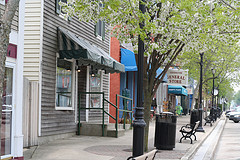


Geography and communities
Sanilac County stretches from interior agricultural plain to a stretch of Lake Huron shoreline. The coastal portion includes small harbors, beaches, and public recreation areas. Much of the inland area is devoted to row crops and pasture, with a pattern of small towns and villages connected by county roads.
Major towns and sites
- Sandusky (county seat)
- Port Sanilac and Lexington (shoreside communities)
- Marlette and smaller villages that serve local farming districts
- Sanilac State Park, a notable recreation area on Lake Huron
These communities feature historic downtowns, local museums, and facilities that support both year-round residents and seasonal visitors. The county’s coastline and state park draw tourists for camping, fishing, and beach activities.
History and name
The county was formed and organized during the 19th century as Michigan’s population spread north and east. Its name honors a Native American leader called Sanilac; the county’s settlement, land use, and transportation networks developed around agriculture, timber, and access to the lake.
Economy and significance
Agriculture remains a primary economic base, supplemented by small manufacturing, retail in town centers, and seasonal tourism tied to Lake Huron. Local government provides services typical of Michigan counties: courts, road maintenance, health and social services, and zoning for rural development.
For readers seeking maps, demographic data, or official services, local and state resources provide current information about Sanilac County’s government, parks, and community events. County pages, historical summaries, and park guides are useful entry points for exploring the area.
Author
AlegsaOnline.com Sanilac County, Michigan Leandro Alegsa
URL: https://en.alegsaonline.com/art/145379