
Samuel J. Randall: 19th-Century Democratic Leader and U.S. House Speaker
American Democratic politician (1828–1890). Long-serving U.S. Representative from Pennsylvania, Speaker of the House (1876–1881), known for influence on tariff, fiscal policy and House procedures.
Overview
Samuel Jackson Randall (October 10, 1828 – April 13, 1890) was a prominent 19th‑century American politician from Philadelphia who spent nearly three decades in the national legislature. A member of the Democratic Party, he served continuously in the U.S. House from 1863 until his death in 1890 and was elected the 29th Speaker of the House, holding that office from 1876 to 1881.
Image gallery
10 Images


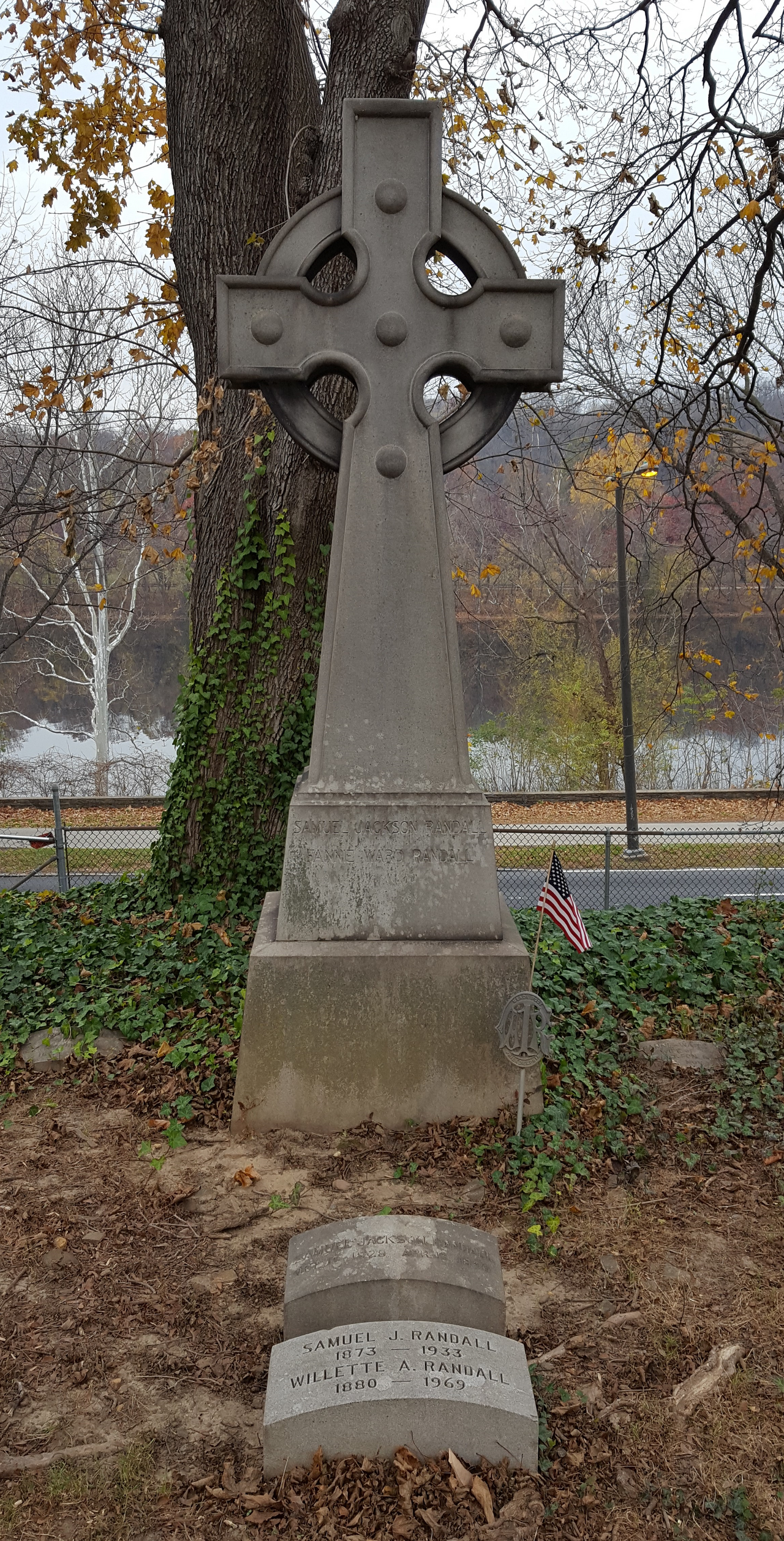


Political profile and positions
Randall built a reputation as a pragmatic and forceful legislator. He represented industrial constituencies in Pennsylvania and often defended policies seen as protective of manufacturing and labor, including support for tariffs as a means to sustain jobs in American industry. At the same time he was known for fiscal caution on matters of currency and federal spending. His independence from strict party orthodoxy made him an influential figure in contested debates of the post‑Civil War era.
Career and parliamentary role
First elected to Congress in the midst of the Civil War, Randall served multiple terms and switched district representation as boundaries and politics changed, holding seats identified with Pennsylvania's 1st congressional district (1863–1875) and later the 3rd district (1875–1890). As Speaker he presided over a turbulent period characterized by Reconstruction aftermath, economic questions and lively floor battles. His command of House procedure and blunt speaking style helped him manage fractious coalitions and complex legislative calendars.
Historical context and influence
Randall's career unfolded during a time when national politics were reorganizing after the Civil War and during rapid industrial growth. He became a leading voice among Democrats in Congress, shaping debates on tariffs, veterans' affairs and appropriations. His willingness to break with party leaders on specific economic matters made him both a unifier in some votes and a divisive figure in others. He was repeatedly mentioned as a potential national candidate in the 1880s, reflecting his stature within his party.
Legacy and notable facts
- Long congressional tenure: served from 1863 until his death in 1890, making him one of the era's senior House members.
- Speaker of the House from 1876 to 1881, a period of intense postwar adjustment and partisan realignment.
- Associated with protectionist and fiscally conservative positions that reflected the economic interests of his Pennsylvania districts.
- Remembered for strong parliamentary skills, plainspoken manner and a pragmatic independence that influenced House practice and votes.
Today Randall is studied as an example of a 19th‑century legislator whose regional interests and personal approach to leadership shaped important congressional choices in the decades after the Civil War.
Author
AlegsaOnline.com Samuel J. Randall: 19th-Century Democratic Leader and U.S. House Speaker Leandro Alegsa
URL: https://en.alegsaonline.com/art/145347