
Sōsuke Uno — Prime Minister of Japan in 1989
Sōsuke Uno (1922–1998) was a long-serving Liberal Democratic Party politician who served briefly as Japan's prime minister in 1989. His short tenure was overshadowed by scandal and public opposition to fiscal policy.
Overview
Sōsuke Uno (宇野 宗佑, 27 August 1922 – 19 May 1998) was a Japanese politician and a senior member of the Liberal Democratic Party (LDP). He served as the 75th Prime Minister of Japan from 3 June 1989 to 10 August 1989. Uno's premiership lasted a little over two months and occurred during a turbulent period in Japanese politics marked by public dissatisfaction, scandals affecting the ruling party, and contentious fiscal decisions.
Image gallery
5 Images

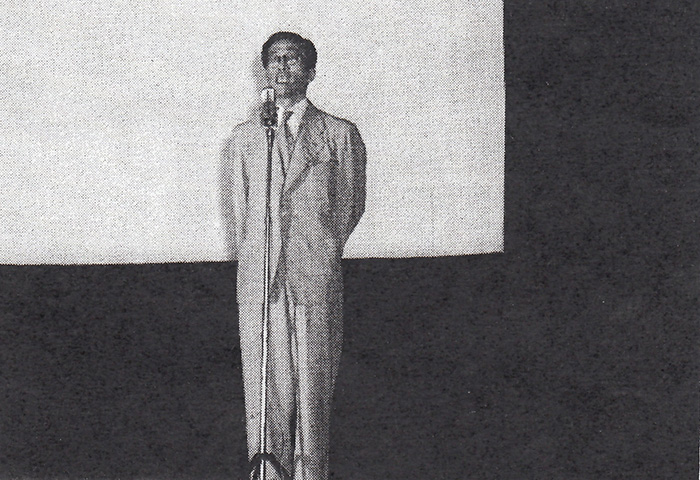


Early life and political career
Born in 1922, Uno trained and worked in public service and entered national politics in the postwar decades. Over several decades he held a number of party and government positions and became a recognized figure within the LDP. Like many senior politicians of his generation, Uno rose through the factional and parliamentary structures of the party and developed a reputation as a pragmatic insider able to manage internal party negotiations.
Context before and during the premiership
Uno took office at a moment of acute political strain for the LDP. In the late 1980s the party was reeling from revelations in the Recruit scandal, a major corruption controversy that damaged public confidence in established political leaders. At the same time, the government had enacted or was associated with new fiscal measures, including the establishment of a national consumption tax earlier in 1989, which proved unpopular with many voters. These factors combined to make any new administration vulnerable to criticism and electoral setbacks.
During his short time as prime minister, Uno worked to steady the government and to defend existing fiscal policy while attempting to restore public trust. He faced immediate pressure from within the party as well as sustained media scrutiny. The LDP's poor performance in several local elections during 1989 illustrated the depth of voter discontent and signaled a challenging political environment for the national leadership.
Resignation and controversies
Uno's resignation came after allegations about his private conduct became public and eroded his political standing. Those personal controversies, amplified by an already volatile political climate, undermined his ability to lead a divided party and to address public concerns. Facing declining approval and weakened factional support, he announced his resignation on 10 August 1989. His departure reflected both individual difficulties and wider institutional problems within a party confronting calls for greater accountability.
Later life and legacy
After leaving the premiership, Uno remained involved in public life for a time but did not return to the position of prime minister. He continued to participate in political affairs and party activities, though his role diminished as the LDP underwent internal reform and responded to changing voter expectations. Uno died on 19 May 1998 in Moriyama, Shiga, Japan from pneumonia, aged 75.
Assessment
Uno's brief tenure is often cited as emblematic of the instability that affected Japanese national politics at the end of the 1980s: corruption scandals, unpopular fiscal measures such as the consumption tax, and evolving public attitudes combined to unsettle a party long accustomed to electoral dominance. Historians and political observers typically view his premiership as transitional—short-lived and constrained by events that preceded his appointment and by problems that reached beyond any single individual.
Key points
- Born 27 August 1922; died 19 May 1998.
- Longtime member of the Liberal Democratic Party (LDP).
- Prime Minister from 3 June to 10 August 1989, serving for just over two months.
- Tenure affected by the fallout from the Recruit scandal and public dissatisfaction over fiscal policy, including reactions to the consumption tax.
- Resigned after allegations about his private life eroded political support; later died of pneumonia.
For further context on the period and the issues that shaped Uno's premiership, consult contemporary accounts of late-1980s Japanese politics and analyses of the LDP's internal dynamics and reform efforts in the years that followed. Additional biographical and political detail can be found through specialized resources on modern Japanese political history.
Author
AlegsaOnline.com Sōsuke Uno — Prime Minister of Japan in 1989 Leandro Alegsa
URL: https://en.alegsaonline.com/art/145221