
São Paulo Futebol Clube (São Paulo FC)
São Paulo FC, known as Tricolor, is a major Brazilian football club from São Paulo city. Founded 1930 and re‑founded 1935, it has multiple state, national and international titles and a strong academy.
São Paulo Futebol Clube, commonly called São Paulo FC or simply São Paulo, is one of Brazil's best‑known football clubs. The team is widely called the Tricolor because of its three colours: red, white and black. The club has a large local and international following and an official site for news and information: official website.
Image gallery
10 Images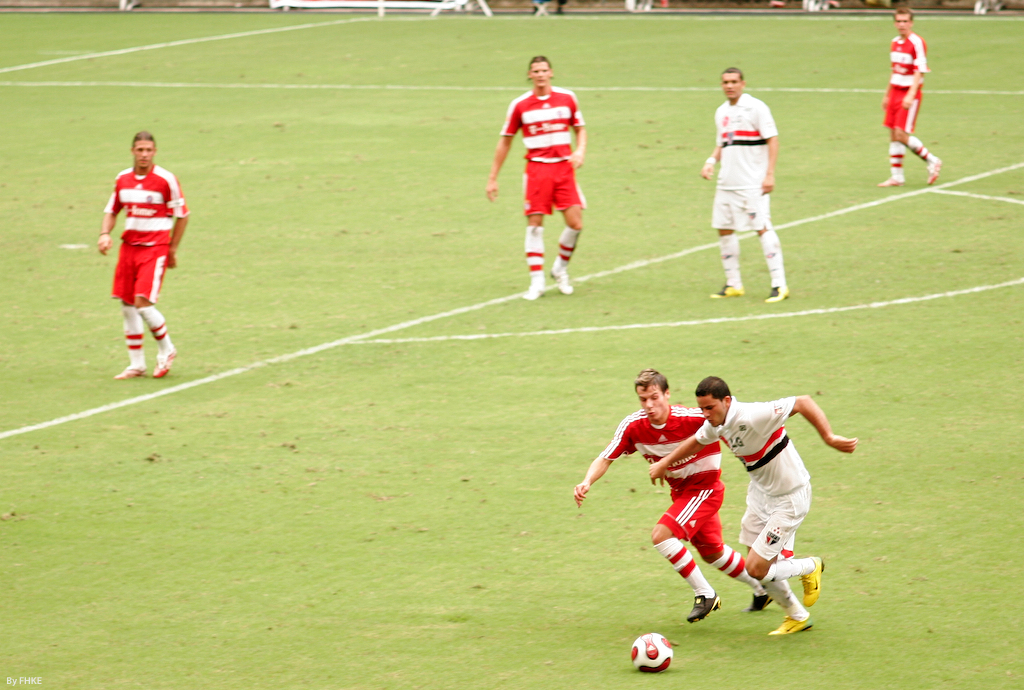




History and foundation
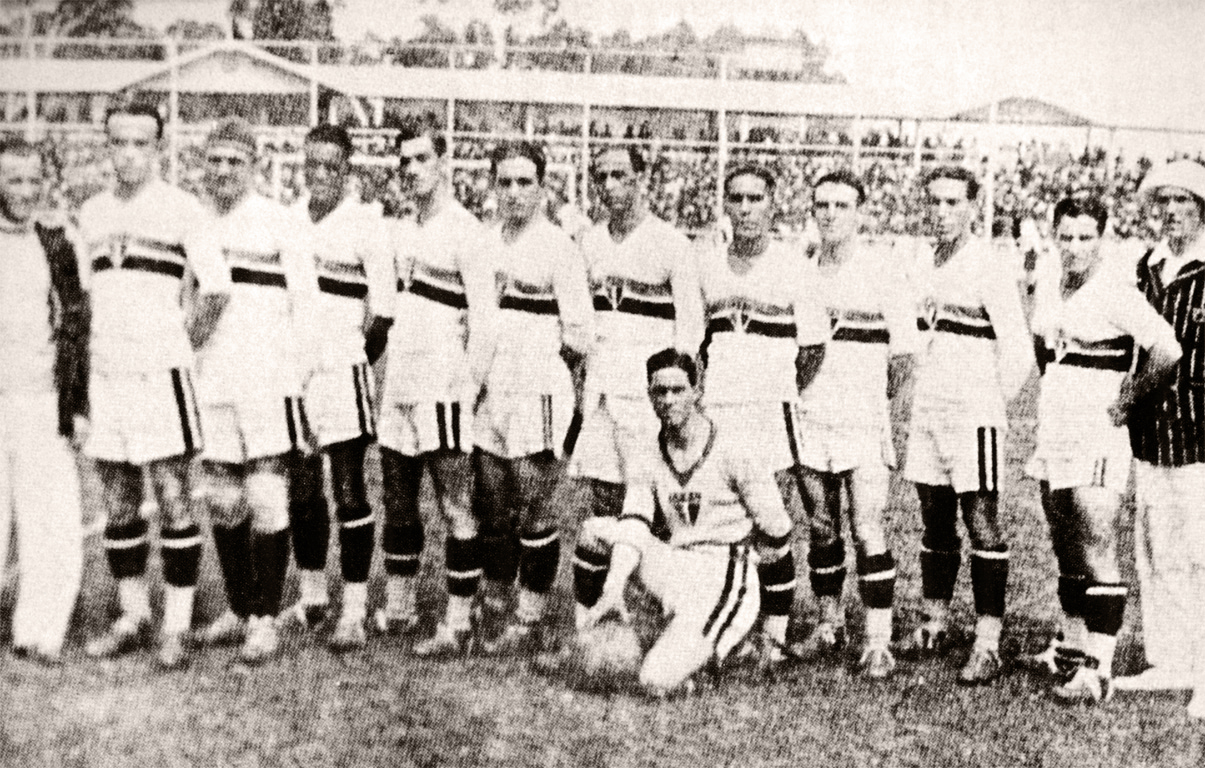
The club was originally founded on 25 January 1930 and, after organisational changes and a brief interruption, was re‑founded on 16 December 1935. From modest beginnings in the city of São Paulo the organisation expanded its structure, investing in training facilities and professional football, which allowed it to compete successfully at state, national and international levels. Historical overviews and timelines are available in dedicated club histories: club history and honours.
Achievements
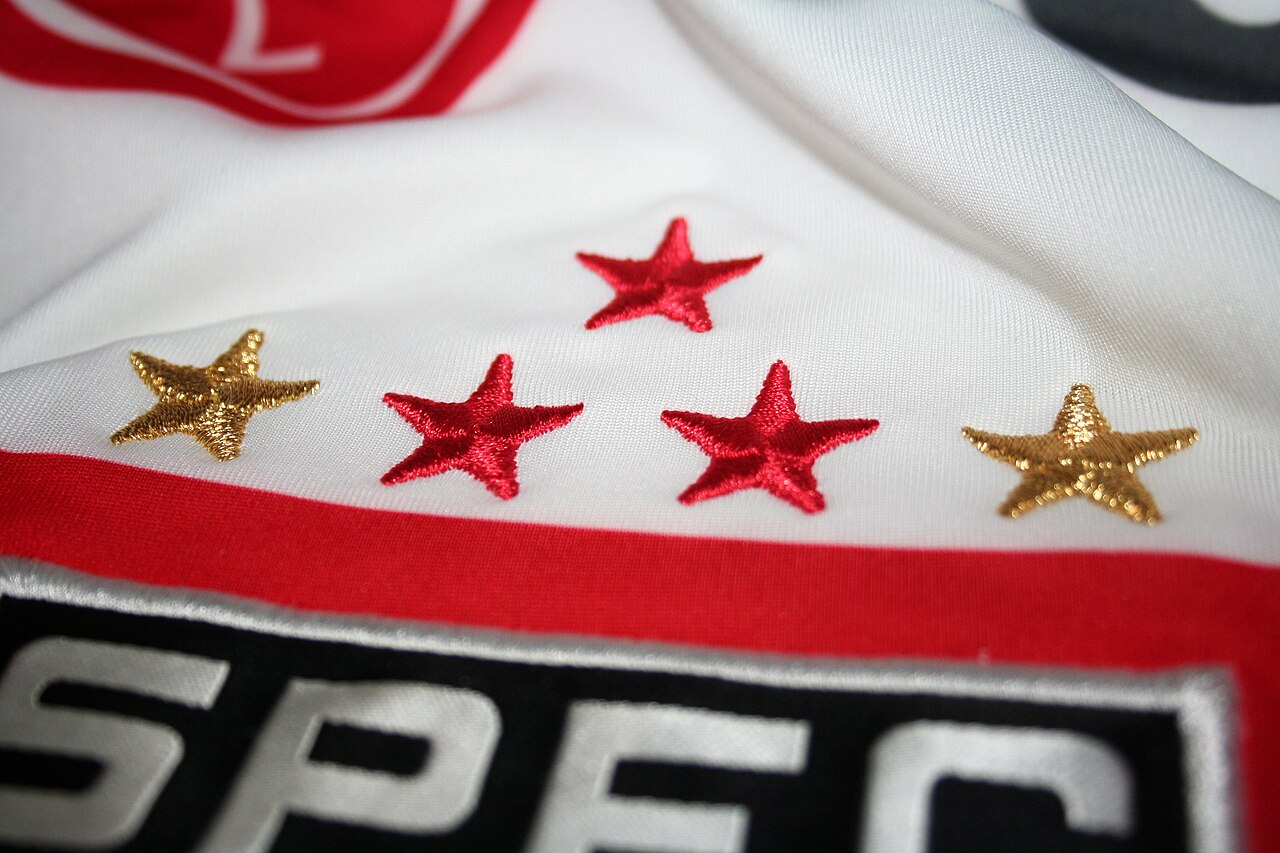
São Paulo is among Brazil's most decorated teams, with a long record of success in state and national competitions and notable triumphs on the international stage. Domestically the club has won many Campeonato Paulista trophies and several Campeonato Brasileiro Série A titles, including a notable sequence of three consecutive national championships in the mid‑2000s. Internationally the club has won the Copa Libertadores and has claimed world‑level honours that include victories in intercontinental competitions and the FIFA Club World Cup era, securing its reputation beyond Brazil.
Notable players and coaches
The club has produced and hosted numerous prominent players and managers. Rogério Ceni is widely recognised as an iconic figure for his long career as goalkeeper and his unusual scoring record from set pieces. Other internationally known players associated with the club include Cafu, Kaká and Miranda. Several influential coaches have left a lasting mark on the club's tactical identity, blending technical skill with organised defending.
Stadium and infrastructure
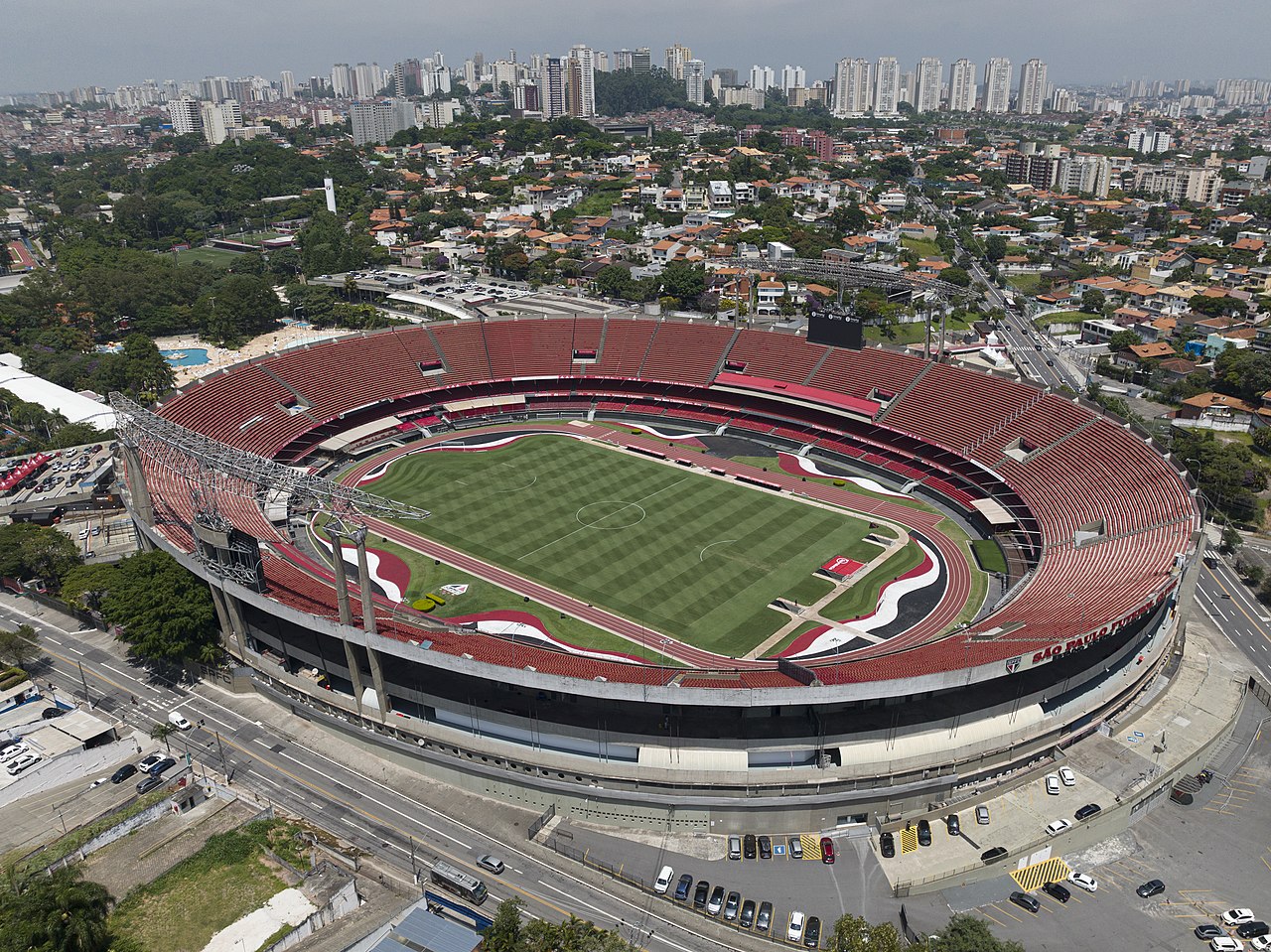
São Paulo plays home matches at the Estádio Cícero Pompeu de Toledo, commonly known as the Morumbi, which has been the venue for many major domestic and international fixtures; further information on the ground and its facilities can be found here: Morumbi details. The club also maintains training complexes and youth academies designed to develop players from junior levels into professionals.
Rivalries, supporters and culture
The club contests heated local derbies with other major São Paulo state teams, fixtures that are central to regional football culture and draw intense interest from supporters and media. Beyond match days, São Paulo FC engages in community outreach, social projects and youth education programs, reinforcing its role as a social and cultural institution in the city and state.
Academy, identity and outlook
São Paulo's youth academy has a long tradition of identifying and developing talent, contributing players to the domestic league and international clubs. The team's crest, colours and nickname symbolise its identity; the organisation continues to balance respect for its history with efforts to modernise management, improve financial sustainability and remain competitive in national and continental competitions.
- Club identity: red, white and black colours and the Tricolor nickname.
- Honours: multiple state and national titles, continental success and international trophies (see honours list).
- Facilities: Morumbi stadium and dedicated training centres (stadium and facilities).
For official announcements, tickets and season information consult the club's communications and verified channels: official site. Historical documents and archival resources provide deeper context on the club's foundation and evolution: sources include authorised histories and institutional records available through specialised portals and publications (foundation date, re‑foundation).
Questions and answers
Q: What is São Paulo FC?
A: São Paulo FC is a Brazilian football team from São Paulo.
Q: When was São Paulo FC founded?
A: São Paulo FC was founded on January 25, 1930, and re-founded on December 16, 1935.
Q: What is São Paulo FC often called by its supporters?
A: São Paulo FC is often called Tricolor by its supporters.
Q: Who is the prime footballer in São Paulo FC?
A: Miranda is the prime footballer in São Paulo FC.
Q: How successful is São Paulo FC in Brazilian football?
A: São Paulo FC is the most successful club in Brazilian football, having won 22 state championships, six Brazilian Championships, three Libertadores, and three World Club Championships.
Q: How many times has São Paulo FC won the Brazilian Championships?
A: São Paulo FC has won the Brazilian Championships six times, including winning it three times in 2006, 2007, and 2008.
Q: How many World Club Championships has São Paulo FC won?
A: São Paulo FC has won three World Club Championships.
Author
AlegsaOnline.com São Paulo Futebol Clube (São Paulo FC) Leandro Alegsa
URL: https://en.alegsaonline.com/art/145218