
Royal Spanish Academy (Real Academia Española)
Spain's official institution charged with overseeing the Spanish language: history, structure, principal works, international cooperation and role in modern language policy.
The Royal Spanish Academy, known in Spanish as the Real Academia Española (RAE), is Spain's official institution dedicated to the study, preservation and standardization of the Spanish language. Founded in the early 18th century, it is headquartered in Madrid and cooperates with national language academies around the world through a formal association. For institutional information see the academy's page here, and for its stated mission regarding the Spanish language see this summary.
Image gallery
8 Images


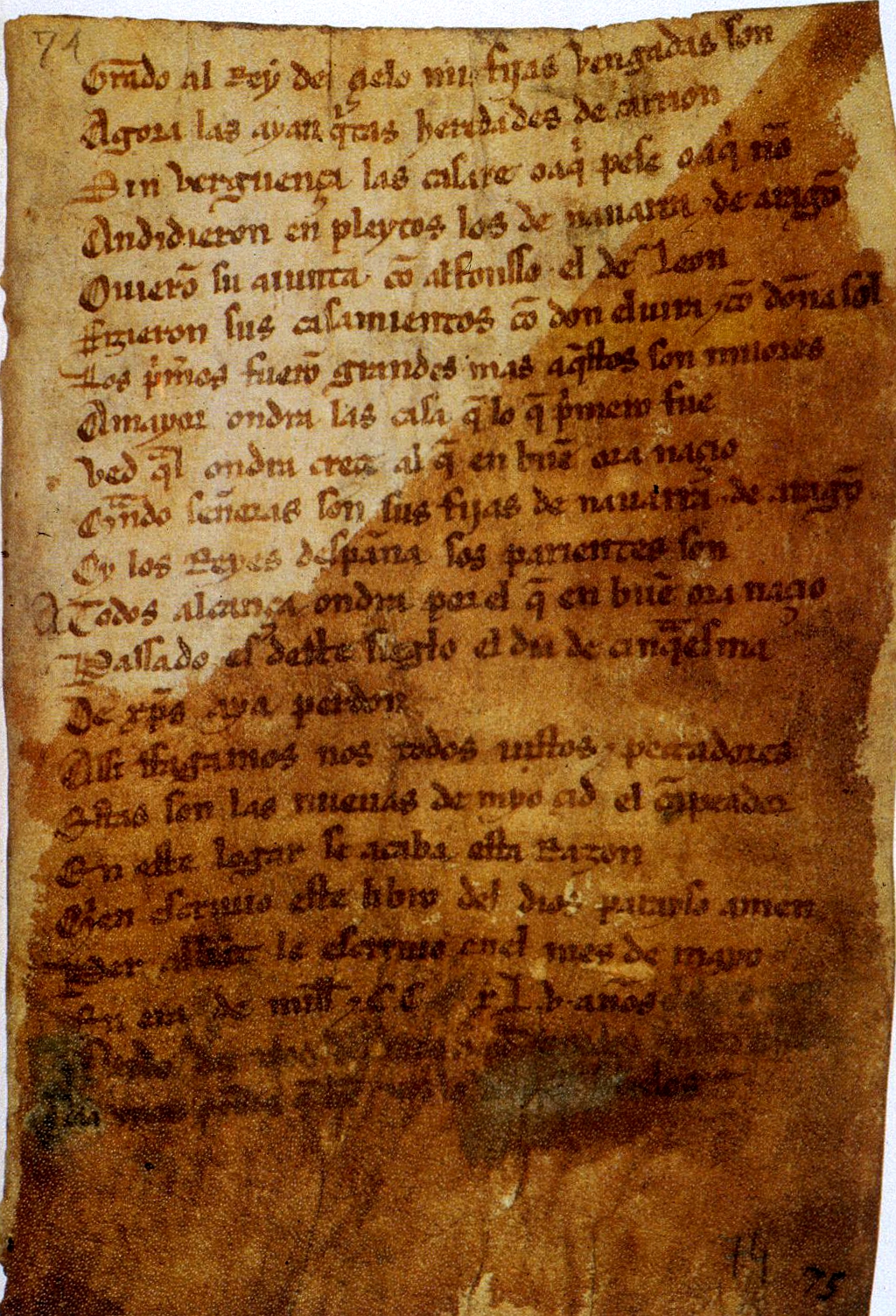


Overview and purpose
The RAE's main objectives are to describe and regulate Spanish usage, publish authoritative reference works, and advise public institutions, publishers and educators. Its pronouncements are widely referenced by writers, teachers and media organizations. Although sometimes described as prescriptive, the Academy also documents changes and regional variations in Spanish through collaborative research.
History and development
Founded in the early 1700s, the Academy emerged during a period when European states established learned societies to codify language, science and culture. Over time the RAE expanded its activity from compiling dictionaries to producing comprehensive grammars and orthographic rules, adapting those works in cooperation with partner academies as Spanish spread across continents.
Organization and partnerships
The RAE is composed of a body of full members (académicos) and corresponding members who specialize in areas such as linguistics, literature and lexicography. It maintains its Madrid headquarters and works closely with the Association of Academies of the Spanish Language; for information about this network see the association. The Academy also maintains a public presence in cultural and educational affairs in Spain and abroad, with an archive, a library and periodic public events in the capital city.
Main publications and activities
- Dictionary — the Diccionario de la lengua española (DLE), a primary reference for definitions and standard spellings.
- Grammar and orthography — official grammars and the Ortografía set out rules for writing and punctuation.
- Advisory work — guidance for institutions, educational materials and media on usage and standardization.
Role and contemporary debates
The RAE plays a central role in shaping formal Spanish but is occasionally the focus of public debate. Critics may question its pace in recognizing colloquial or regional innovations, or disagree with positions on inclusive language. Supporters note its role in providing a coordinated, scholarly basis for communication across diverse Spanish-speaking communities.
Overall, the Royal Spanish Academy remains a major reference for anyone studying or using Spanish formally. Its collaboration with other national academies ensures that standard-setting reflects a range of regional practices and that Spanish continues to function as a living, widely used language across the world.
Further resources: official institution page RAE, language mission statement about Spanish, Madrid headquarters details visit, and the international network Association of Academies.
Author
AlegsaOnline.com Royal Spanish Academy (Real Academia Española) Leandro Alegsa
URL: https://en.alegsaonline.com/art/145120