
Quino (Joaquín Salvador Lavado): Argentine cartoonist and creator of Mafalda
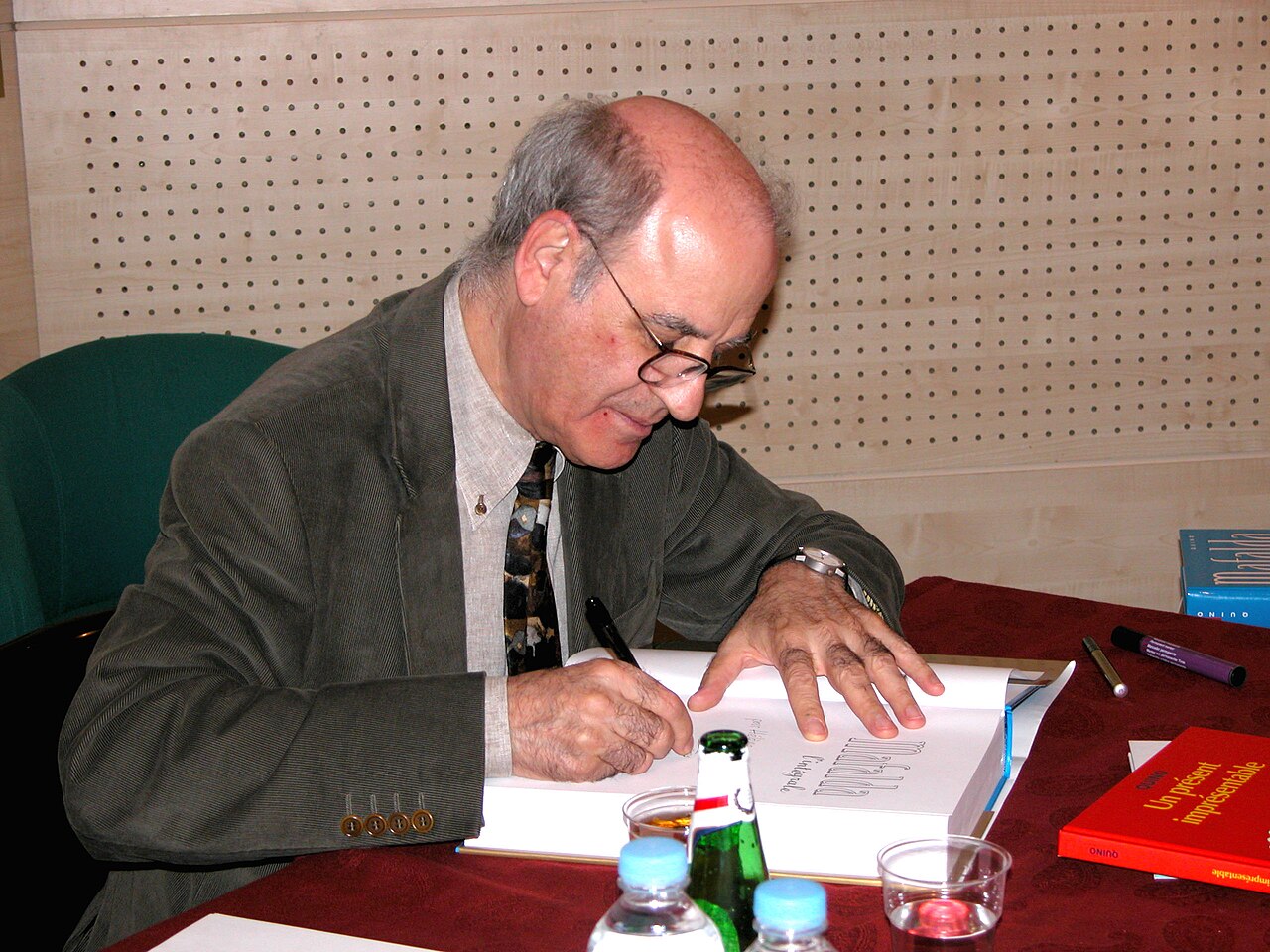
Argentine cartoonist Joaquín 'Quino' Salvador Lavado (1932–2020), creator of the comic strip Mafalda; known for sharp social satire, humane single-panel cartoons and wide cultural influence.
Overview
Joaquín Salvador Lavado Tejón, widely known by his pen name Quino, was an Argentine cartoonist born on 17 July 1932 in Mendoza. He became an international figure through his incisive drawings that mix humor with social and political observation. Quino's work ranges from sequential comic strips to single-panel cartoons that examine everyday absurdities and human foibles.

Image gallery
4 Images


Mafalda: creation and themes
Quino's best-known creation is the comic strip Mafalda, which debuted in the mid-1960s and ran until 1973. Centered on a curious, outspoken girl and a small ensemble of friends and family, the strip used childlike voices to pose questions about peace, justice, consumerism and adult hypocrisy. Though short-lived, the series was widely syndicated and translated, becoming a cultural touchstone across Latin America and Europe.

Style, later work and recognition
After ending Mafalda, Quino concentrated on single-panel cartoons and illustrated books. His later cartoons are typically concise scenes or visual jokes that reveal contradictions in social behavior, politics and private life. His drawings are known for clear line work, economical compositions and a blend of wit and melancholy. Among his honors was the 2014 Prince of Asturias Award for Communication and Humanities, reflecting his broad influence in Spanish-language culture.
Legacy and influence
Quino's work has endured through reprints, exhibitions and adaptations. Notable aspects of his legacy include:
- A lasting place in popular culture: characters and phrases from his strips remain widely quoted.
- An influence on cartoonists and graphic humorists who seek to address social themes through concise imagery.
- Broad international readership: his books and collections have been translated into many languages and taught in studies of comics and satire.
Final years
Quino continued to draw into his later life and remained a respected public figure in Argentina and abroad. He died on 30 September 2020 in Mendoza after suffering a stroke, leaving behind a body of work that continues to be read for both its humor and its humane critique of modern life.
Author
AlegsaOnline.com Quino (Joaquín Salvador Lavado): Argentine cartoonist and creator of Mafalda Leandro Alegsa
URL: https://en.alegsaonline.com/art/144575