
Princess Charlotte of Wales (1796–1817)
Princess Charlotte of Wales (1796–1817), only child of George IV and Caroline of Brunswick; popular heir whose death in childbirth provoked national mourning and reshaped the British succession.
Princess Charlotte of Wales (7 January 1796 – 6 November 1817) was the only legitimate child of George IV and Caroline of Brunswick. Born in London, she occupied a unique place in the royal family as a popular and much‑anticipated heir during a period of dynastic uncertainty. Her early death after childbirth had wide political and social consequences for the United Kingdom.
Image gallery
10 Images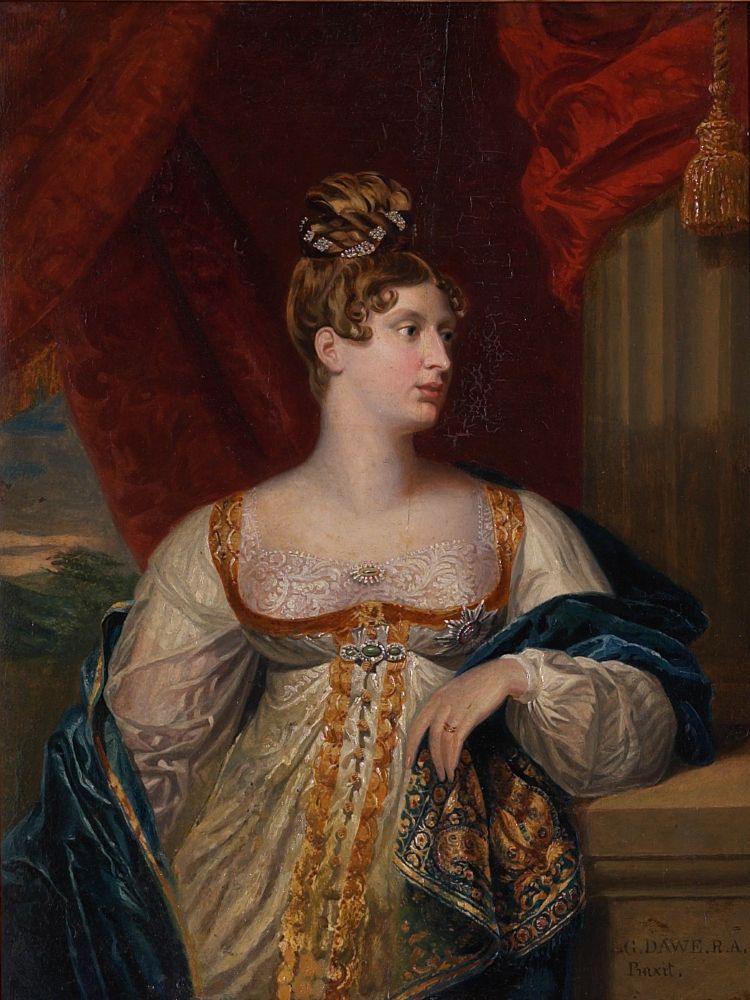


Early life and position in the royal family
Charlotte was born into the House of Hanover at a time when King George III’s health and the succession were continuing concerns. As the only legitimate grandchild of the sovereign for a period, she represented continuity for many members of the public who were anxious about the monarchy's future. Her parents' marriage was unhappy and they were effectively separated for most of her life, so Charlotte was raised by appointed guardians and relatives rather than by her parents themselves. Despite these family tensions, she became a well‑known public figure, admired for perceived virtues of youth and patriotic promise.
Marriage and final months
On 2 May 1816 Charlotte married Prince Leopold of Saxe‑Coburg‑Saalfeld, a match that was widely approved and that briefly strengthened hopes for stability in the succession. The couple were generally seen as affectionate, and Charlotte’s marriage brought her greater independence. In November 1817 she gave birth to a son who was stillborn; Charlotte herself died the following day from complications related to childbirth, on 6 November 1817.
Legacy and historical significance
Her death provoked an intense public outpouring of grief and alarm because it reopened the question of the royal succession. The monarch and his brothers subsequently sought to produce legitimate heirs, a scramble that ultimately led to the births of the future monarchs of the Victorian era. Leopold later became King of the Belgians and remained an important political figure.
Notable facts
- Dates: born 7 January 1796; died 6 November 1817.
- Only legitimate child of the Prince Regent, later King of the United Kingdom of Great Britain and Ireland.
- Married on 2 May 1816 to Leopold, who became King of the Belgians in 1831.
- Her death had lasting effects on royal family marriages and the line of succession.
Charlotte’s short life is remembered as a turning point in early 19th‑century British monarchy: her popularity and sudden death changed public sentiment and prompted dynastic actions that shaped the generations to follow.
Author
AlegsaOnline.com Princess Charlotte of Wales (1796–1817) Leandro Alegsa
URL: https://en.alegsaonline.com/art/144466