
Caroline of Brunswick: Queen Consort, Controversy, and Public Sympathy
Caroline of Brunswick (1768–1821), wife of King George IV, led a turbulent life of estrangement, scandal and public sympathy; her trial and exclusion from the coronation became a major British political event.
Overview
Caroline of Brunswick (17 May 1768 – 7 August 1821) was a German princess who became the wife of George IV. Her marriage was short on affection and long on public drama. Born into the ducal house of Brunswick as the daughter of Charles William Ferdinand, Duke of Brunswick and Princess Augusta of Great Britain, Caroline's life intersected dynastic duty, personal scandal and popular politics.
Image gallery
10 Images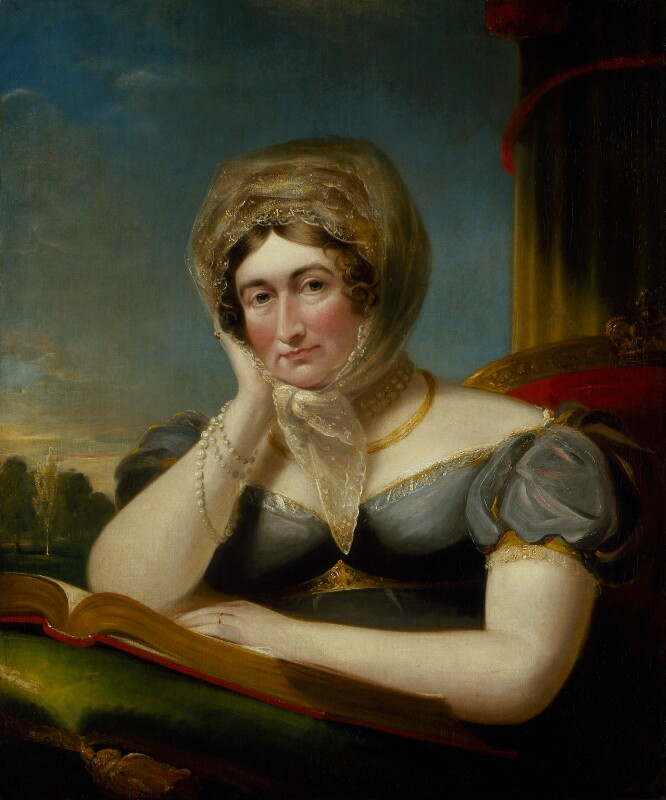


Early life and marriage
Raised in the courts of northern Germany, Caroline was allied by birth to several European ruling families. She married the future Prince of Wales on 8 April 1795 in a union arranged in part for dynastic and financial reasons. The marriage produced one child, Princess Charlotte of Wales, born in 1796, but the couple separated soon afterwards and lived largely apart for the rest of their lives.
Separation, exile and reputation
After the separation, Caroline spent much of her time abroad, chiefly in continental Europe and Italy. Rumours and allegations followed both husband and wife: George's long history of extramarital relationships was well known, and Caroline herself attracted gossip about her behaviour and associates. During these years she cultivated a small household of attendants and supporters but also became increasingly isolated from the royal family in Britain.
Return to Britain and the parliamentary case
When George acceded to the throne in January 1820, Caroline claimed the status and allowances of queen consort. Her return to England sparked a fierce public reaction and a formal attempt by ministers to deprive her of the title. In 1820 Parliament considered a bill—commonly called the Pains and Penalties Bill—that alleged misconduct and sought to annul her status. The proceedings were a mixture of legal accusation and political theatre: they produced intense media coverage, divided opinion in the Houses and enormous popular sympathy for Caroline, who was celebrated by many as a wronged woman standing against monarchical privilege.
Coronation, exile and death
Although she styled herself queen, Caroline was excluded from the coronation ceremony in July 1821 and famously barred from entering Westminster Abbey. This public humiliation heightened her reputation as a symbol of popular resistance to royal excess. She died a few weeks later, on 7 August 1821. Contemporary physicians recorded intestinal problems and suggested an obstruction; subsequent speculation mentioned cancer and there were contemporaneous rumours of poisoning. Medical uncertainty has left the exact cause of death open to debate in later accounts; modern summaries note both intestinal disease and malignancy as possibilities (medical sources).
Legacy and significance
Caroline's ordeal had political and cultural consequences. The public mobilization in her favour exposed tensions between the monarchy and an increasingly politicized public sphere, contributing to debates about accountability, privilege and the role of the press. Her life also intersected painfully with the succession: the death of her only child, Princess Charlotte, in 1817 had already thrown the royal succession into crisis and made dynastic issues more urgent. Historians view Caroline both as a tragic personal figure and as a catalyst for public engagement with royal conduct.
Key facts and distinctions
- Born 1768 into the Brunswick ducal family; mother was a British princess linked to the Hanoverian line.
- Married the future king in 1795; separated by 1796 and lived much of her later life abroad.
- Returned to Britain in 1820 and was central to a high-profile parliamentary prosecution and public controversy.
- Excluded from the coronation and died in August 1821 amid medical uncertainty and rumours; historians caution against unproven accusations.
For a contemporaneous view of the royal personalities and the political fallout, readers may consult accounts of King George IV's reign and discussions of the Pains and Penalties proceedings in period sources and later scholarly summaries (constitutional and social histories). Additional biographical material can be found in genealogical and court studies that trace Caroline's German origins and her links to British royalty (Brunswick family). Illustrations of Caroline's public reception and the press campaign that surrounded her trial are summarized in contemporary newspapers and later cultural histories (press and public opinion) and in focused studies of the 1820 crisis (political reaction) and medical retrospectives on her death (health and cause).
Author
AlegsaOnline.com Caroline of Brunswick: Queen Consort, Controversy, and Public Sympathy Leandro Alegsa
URL: https://en.alegsaonline.com/art/136150