
Parker, Arizona — Colorado River town and La Paz County seat
Parker, Arizona is a small Colorado River town and county seat of La Paz County. Known for river recreation, tribal communities, desert climate and off‑road events, it serves as a regional service center.
Parker is a small town on the Colorado River in western Arizona, serving as the county seat of La Paz County. Located along a broad bend of the river near the California border, Parker functions as a regional service and cultural center for surrounding rural communities and the nearby Colorado River Indian Tribes reservation.
Image gallery
8 Images


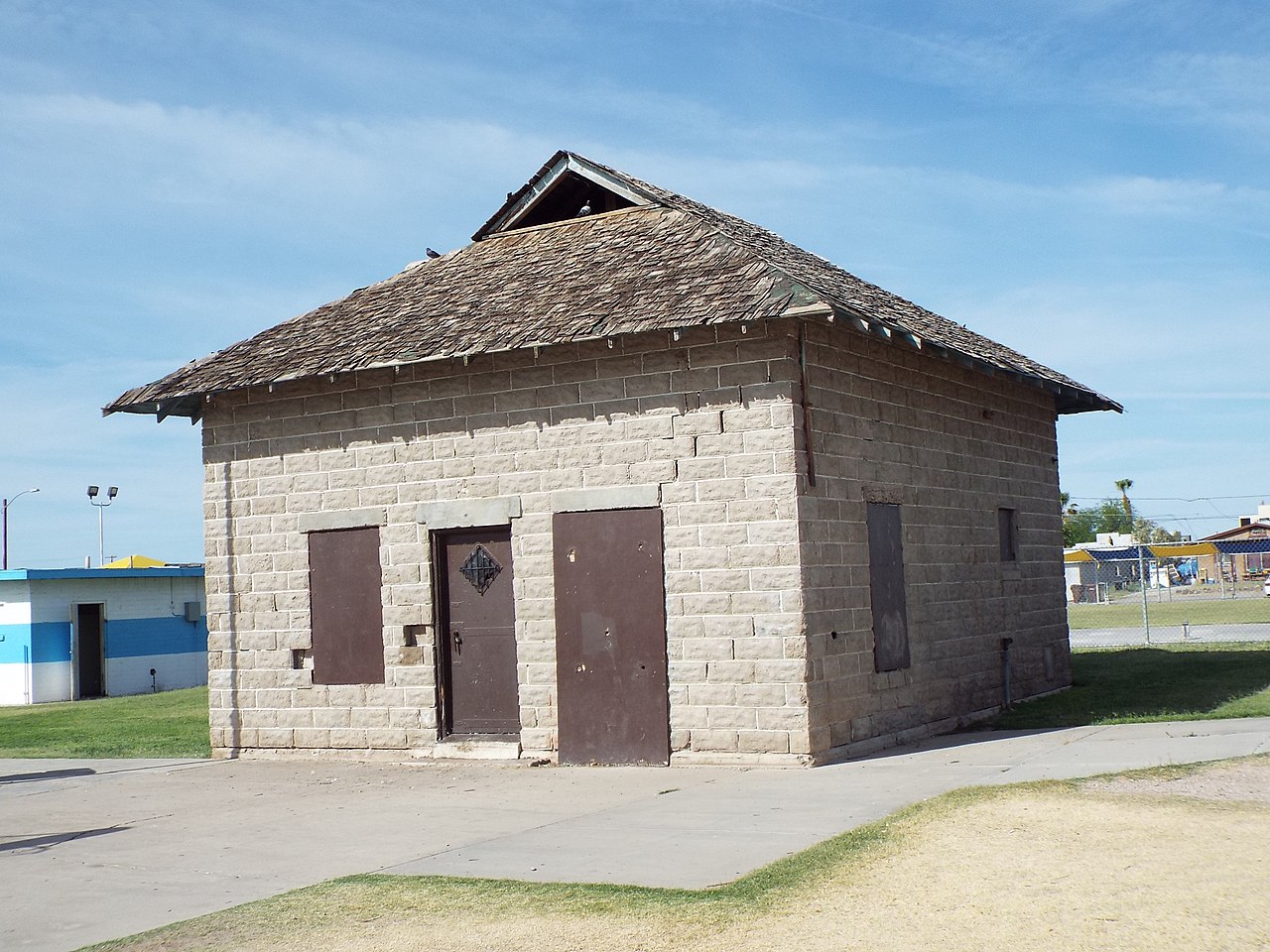


Geography and climate
The town sits on the river’s eastern bank in a desert landscape of low hills and washes. Summers are very hot and dry, while winters are mild; rainfall is minimal and most greenery depends on irrigation. The river and a nearby stretch commonly called the "Parker Strip" provide a contrast of lakeside recreation against the Sonoran/ Mojave desert backdrop.
History and communities
The area has long been home to Indigenous peoples and today is closely linked with the Colorado River Indian Tribes. European‑American settlement expanded where river crossings and dam and irrigation projects concentrated transport and work opportunities. Parker later became the administrative center for La Paz County when the county was organized in the late 20th century.
Economy, government and services
Parker’s economy is a mix of local government, tribal services, tourism, retail and light industry. As a county seat it hosts county offices and services; tribal government and enterprises also contribute employment. Visitors are drawn by boating, fishing and seasonal events that support restaurants, marinas and accommodations.
Recreation and notable features
- River recreation: boating, houseboating, fishing and campgrounds along the Parker Strip.
- Off‑road racing and outdoor festivals: regional events bring enthusiasts to the desert and river areas.
- Access: State routes provide road links to other West‑Arizona communities and to neighboring California.
For more information about municipal services or visitor resources see the town and regional pages: Town site, state tourism, county and federal resources. Parker is representative of small river towns that combine desert landscapes, Indigenous heritage and recreational economies along the Colorado River.
Author
AlegsaOnline.com Parker, Arizona — Colorado River town and La Paz County seat Leandro Alegsa
URL: https://en.alegsaonline.com/art/143929