
Operation Cyclone: U.S. Covert Support to Afghan Mujahideen (1979–1989)
Operation Cyclone was the CIA program that funded and armed Afghan mujahideen against the Soviet-backed government from 1979–1989, involving multiple intelligence services and producing lasting regional effects.
Overview
Operation Cyclone was the code name for a United States Central Intelligence Agency effort to arm, finance and support Afghan resistance forces during the Soviet–Afghan War (1979–1989). Launched in 1979, the covert program sought to weaken the Soviet military presence in Afghanistan by backing various mujahideen factions. The project involved multiple foreign partners and is widely regarded as one of the longest and most costly covert operations in U.S. history.
Image gallery
3 Images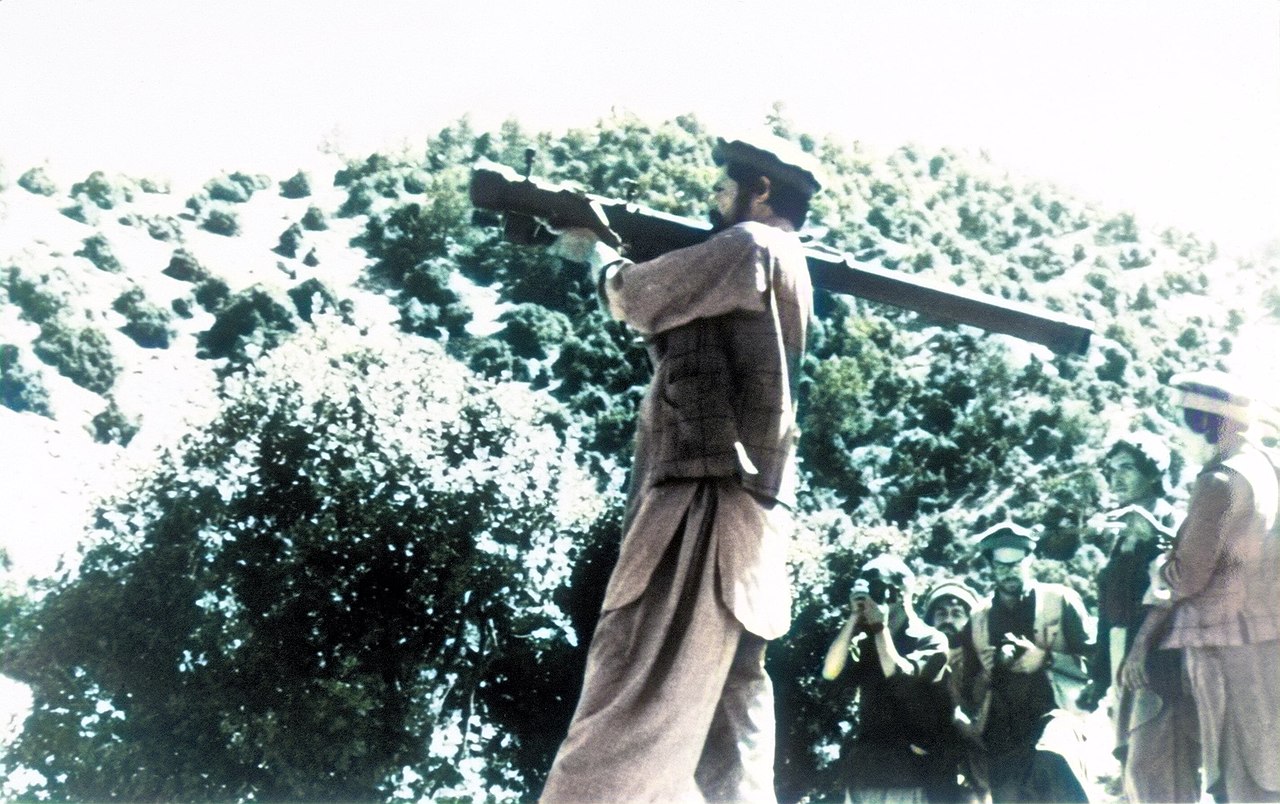

Participants and methods
The operation was coordinated and subsidized through a network of intelligence services and regional allies. Key participants included the United States and its Central Intelligence Agency, Pakistan’s Inter-Services Intelligence, and intelligence services from allied countries. Britain’s MI6 provided additional support and training. Financial backing also came from external supporters, notably Gulf states. Material assistance ranged from small arms and supplies to training, communications equipment and, later in the conflict, anti-aircraft weapons.
Organization, channels and scale
Initial U.S. funding for covert support was modest in 1979—official records show an early allocation of $695,000—but funding expanded substantially in the early 1980s. Much assistance was routed through Pakistan, which served as the primary logistical conduit to Afghan fighters. The CIA worked with local commanders and political intermediaries to distribute weapons and aid, while training and intelligence sharing were handled through partner services.
Impact and legacy
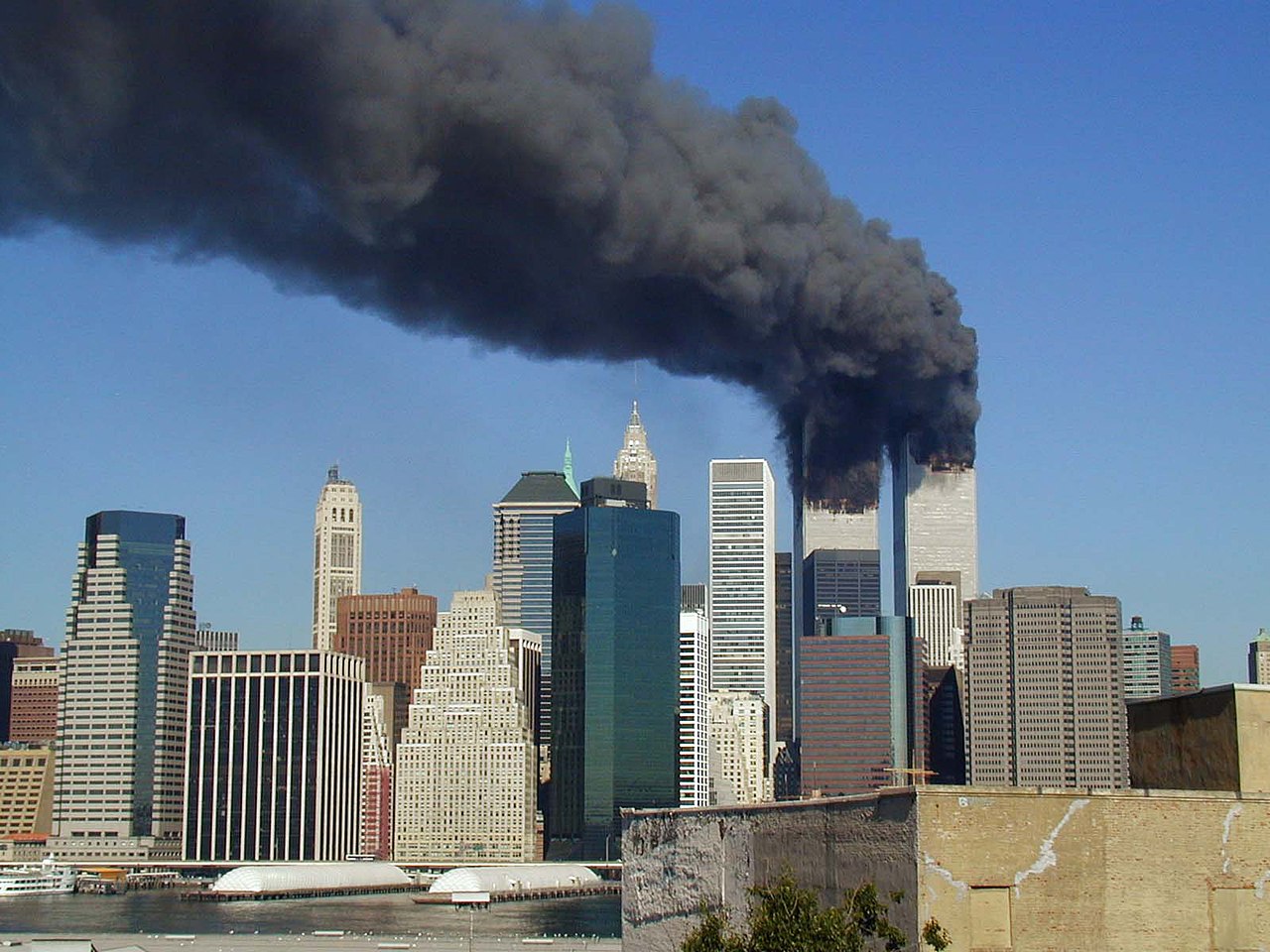
Operation Cyclone contributed to the military pressure that preceded the Soviet decision to withdraw troops by 1989. The introduction of modern portable anti-aircraft missiles and sustained material support altered battlefield dynamics. At the same time, historians and analysts debate the program’s longer-term effects, including regional instability, the rise of militant networks, and the difficulties of post-conflict governance in Afghanistan. The operation is frequently cited in discussions of covert intervention, proxy warfare and unintended consequences.
Key points and distinctions
- Start and end: active principally from 1979 until the Soviet withdrawal in 1989.
- Actors: included the mujahideen, the CIA, Pakistan’s ISI, and allied intelligence services such as MI6.
- Support types: funding, weapons transfers, training, and intelligence.
- Controversy: praised for helping force a Soviet exit; criticized for contributing to later unrest.
Operation Cyclone remains a key case study in Cold War-era proxy conflicts and the use of covert tools to pursue foreign policy goals. For further reading on the broader conflict and its aftermath, see analyses of Cold War interventions and Afghan history starting in 1979 in publicly available sources and archives.
Author
AlegsaOnline.com Operation Cyclone: U.S. Covert Support to Afghan Mujahideen (1979–1989) Leandro Alegsa
URL: https://en.alegsaonline.com/art/143693