
Oostzaan — municipality in North Holland, Netherlands
Oostzaan is a small Dutch municipality in the Zaan region of North Holland, near Amsterdam. It has a long industrial and maritime history and about 9,700 residents (2019).
Overview
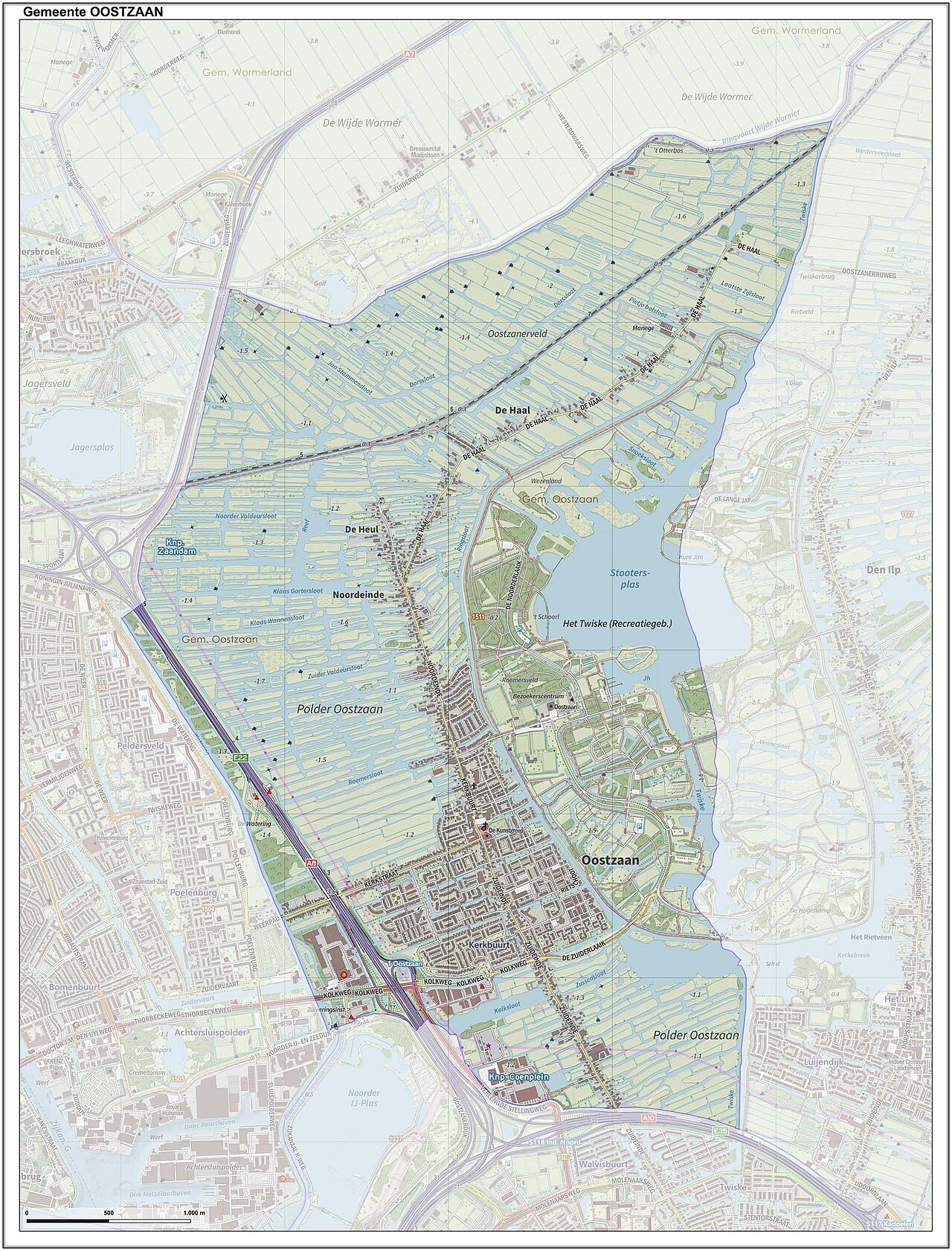
Oostzaan is a municipality in the Dutch province of North Holland, situated in the historical Zaan region just northwest of Amsterdam. It is a compact community that combines rural landscapes with traces of early industrial development typical of the Zaanstreek. The municipality had roughly 9,700 inhabitants in 2019, and it functions as part of the greater Amsterdam commuter area while retaining a distinct local identity.
Image gallery
8 Images


Geography and administration
The area includes a mix of low-lying polder land, waterways and small villages. Local government administers municipal services, spatial planning and heritage protection within the municipality’s boundaries. Oostzaan lies close to larger towns in the Zaan area and benefits from regional transport links by road and public transit that connect it to Amsterdam and the surrounding provinces.
History and development
Like much of the Zaanstreek, Oostzaan’s development was shaped by the Dutch struggle with water and by early industry. From the late medieval period onward, wind-powered sawmills and other mills in the region supported shipbuilding, timber processing and related trades. These activities helped transform the Zaan into one of Europe’s earliest industrialized landscapes, and Oostzaan shares in that heritage.
Economy, transport and daily life
Today the local economy mixes small businesses, agriculture and services for residents. Many inhabitants commute to nearby urban centres for work. The municipality is accessible by regional roads and public transport; waterways and historic canals remain part of the landscape and leisure opportunities. Maintaining a balance between growth and heritage conservation is a recurring theme in local planning.
Culture, landmarks and notable facts
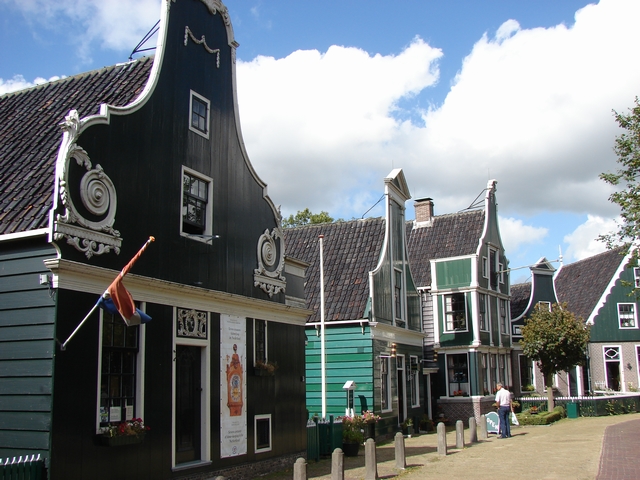
Oostzaan preserves elements of the Zaan industrial past, and its surroundings are popular for cycling, boating and visits to nearby museum sites that interpret the area’s windmills and factories. Community life includes local events, sports clubs and preservation groups active in safeguarding traditional buildings and landscapes.
Further information
Author
AlegsaOnline.com Oostzaan — municipality in North Holland, Netherlands Leandro Alegsa
URL: https://en.alegsaonline.com/art/143689