
Oldambt
Oldambt is a municipality in Groningen, the Netherlands, established in 2010 from Reiderland, Scheemda and Winschoten; population about 38,129 in 2019. Overview of geography, history, economy and governance.
Overview
Oldambt is a municipality in the northeastern part of the province of Groningen in the Netherlands. It was created on 1 January 2010 through the consolidation of three former municipalities and had a population of approximately 38,129 people in 2019. The municipality combines urban centres, villages and agricultural land within a largely low-lying Dutch landscape.
Image gallery
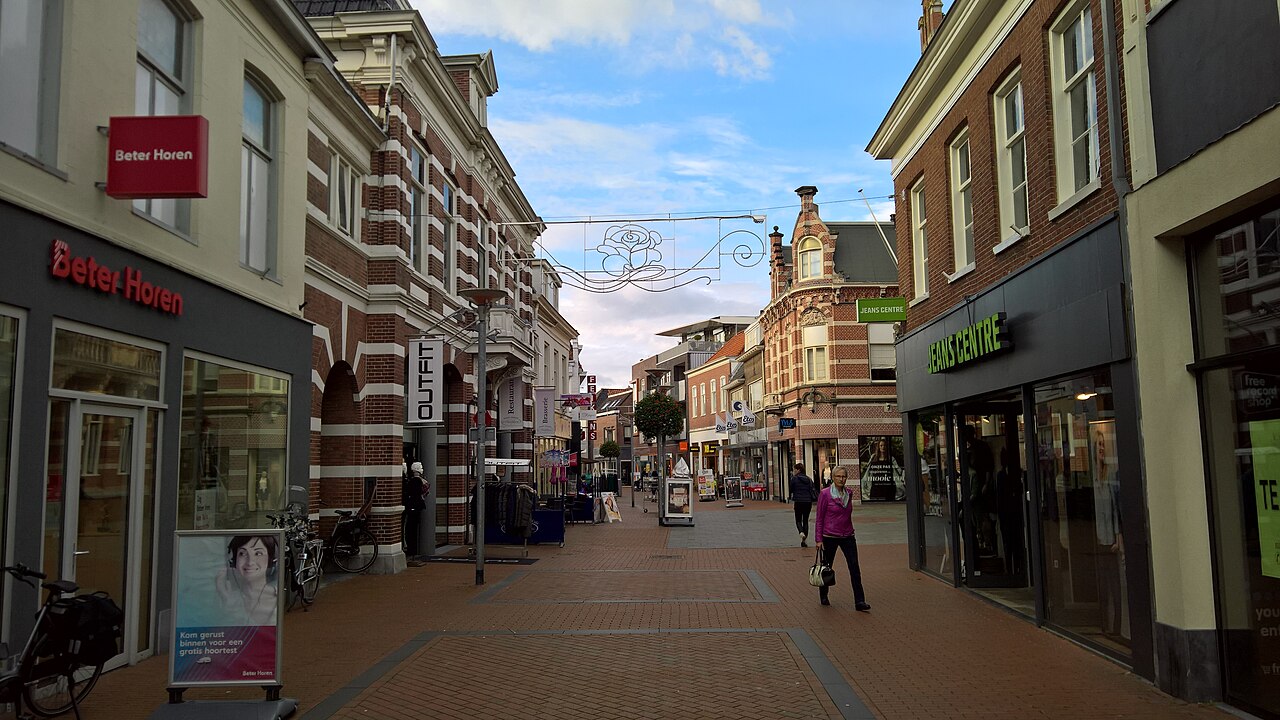
10 Images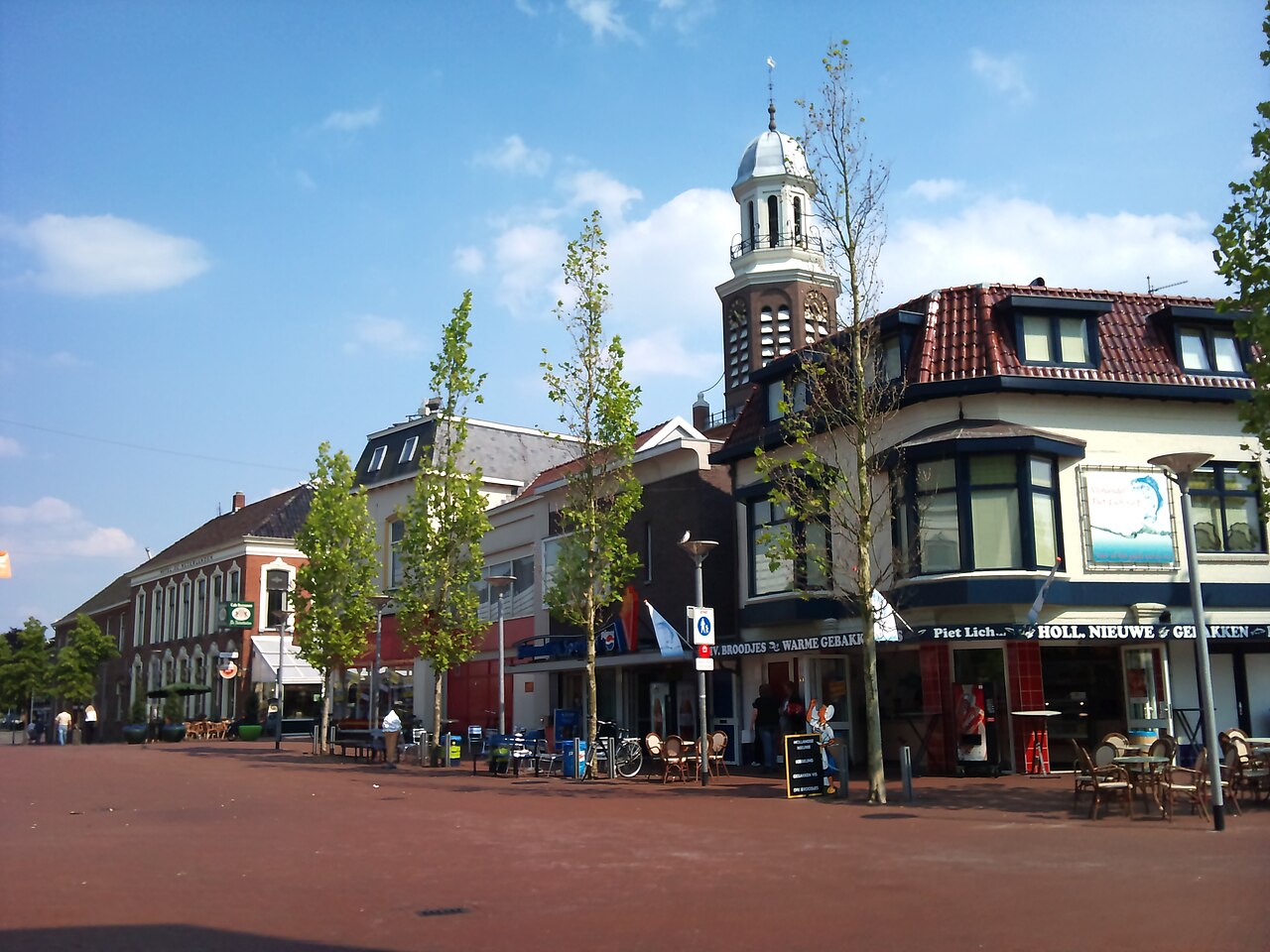




Geography and landscape
The area is characterized by flat polder terrain, a network of drainage channels and fertile fields that reflect its agricultural history. Scattered villages and the principal town provide local services and form focal points for transport and commerce. Open views across farmland are a common feature of the local environment.
Formation and subdivisions
Oldambt was formed by merging the former municipalities of Reiderland, Scheemda and Winschoten. The merger aimed to coordinate public services, planning and infrastructure across a contiguous territory. Its administrative centre is located in the largest town, which historically served as a regional hub.
Economy and infrastructure
The local economy is diverse for a semi-rural municipality: agriculture and related activities remain important, alongside retail, small industry and public services. The municipality is served by regional road and rail connections that link it with the city of Groningen and other parts of the country, facilitating commuting and trade.
Culture, heritage and governance
Oldambt lies within a region with a distinct rural heritage; historic farmhouses, local museums and community events reflect that background. The municipal council governs local affairs, land use and social services, continuing development priorities set after the 2010 merger. Visitors and residents alike note the blend of open countryside and compact towns as a defining characteristic.
- Established: 1 January 2010
- Notable components: former municipalities merged to form Oldambt
- Population (2019): about 38,129
Author
AlegsaOnline.com Oldambt Leandro Alegsa
URL: https://en.alegsaonline.com/art/143621