
Nunspeet (municipality in Gelderland, Netherlands)
Nunspeet is a municipality in the Dutch province of Gelderland, known for its location on the Veluwe, nearby lakes and forests, outdoor recreation, and a small-town cultural life.
Overview
Nunspeet is a municipality in the Netherlands, located within the province of Gelderland. It is a modestly sized local government area with a mainly rural and small-town character. In 2019 the municipality recorded a population of about 27,481 residents, living in a mixture of villages and countryside settlements.
Image gallery
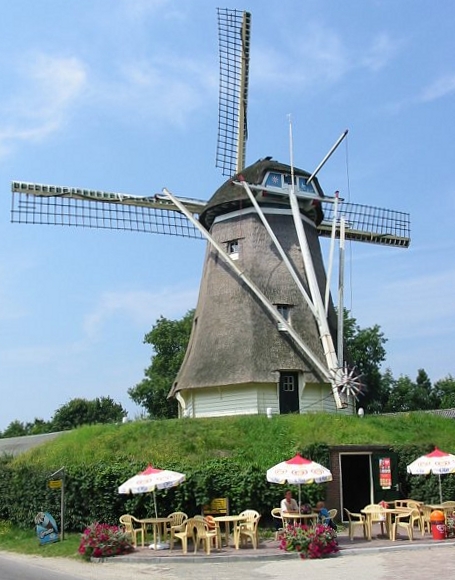
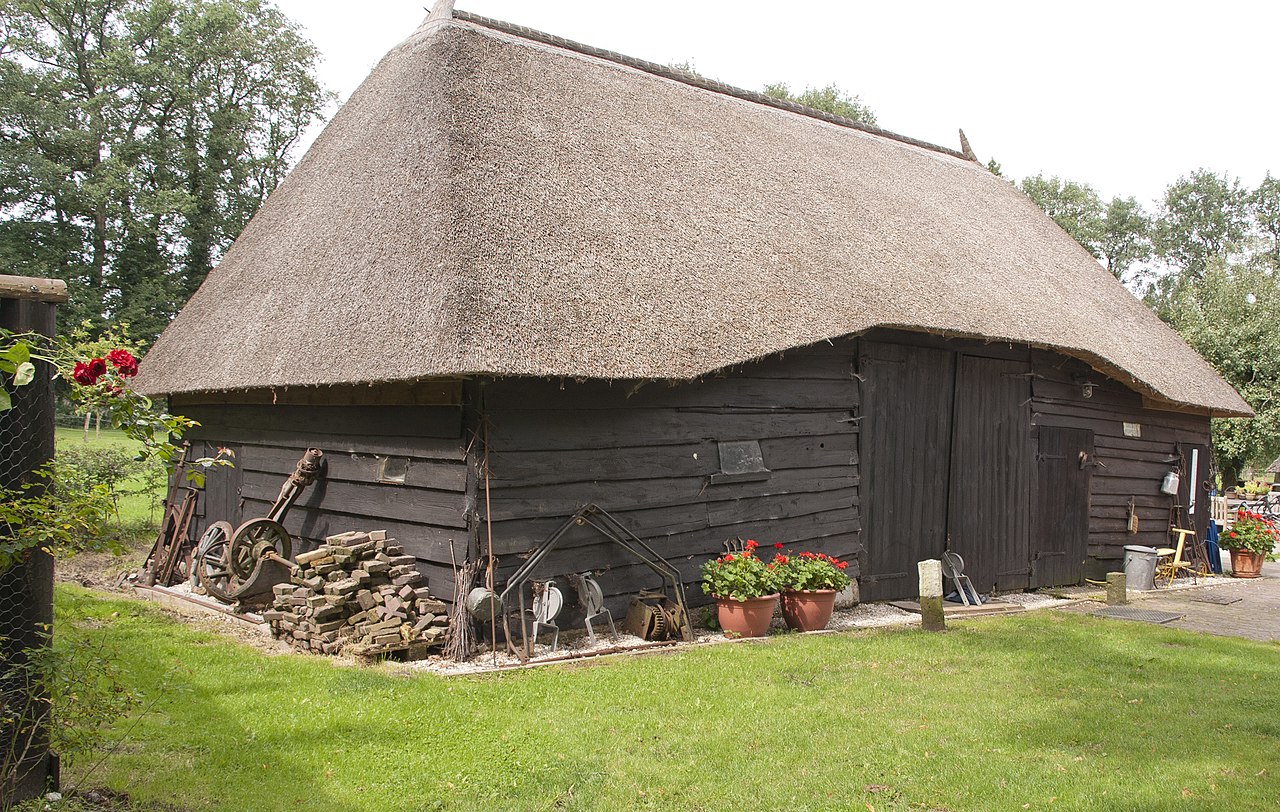
8 Images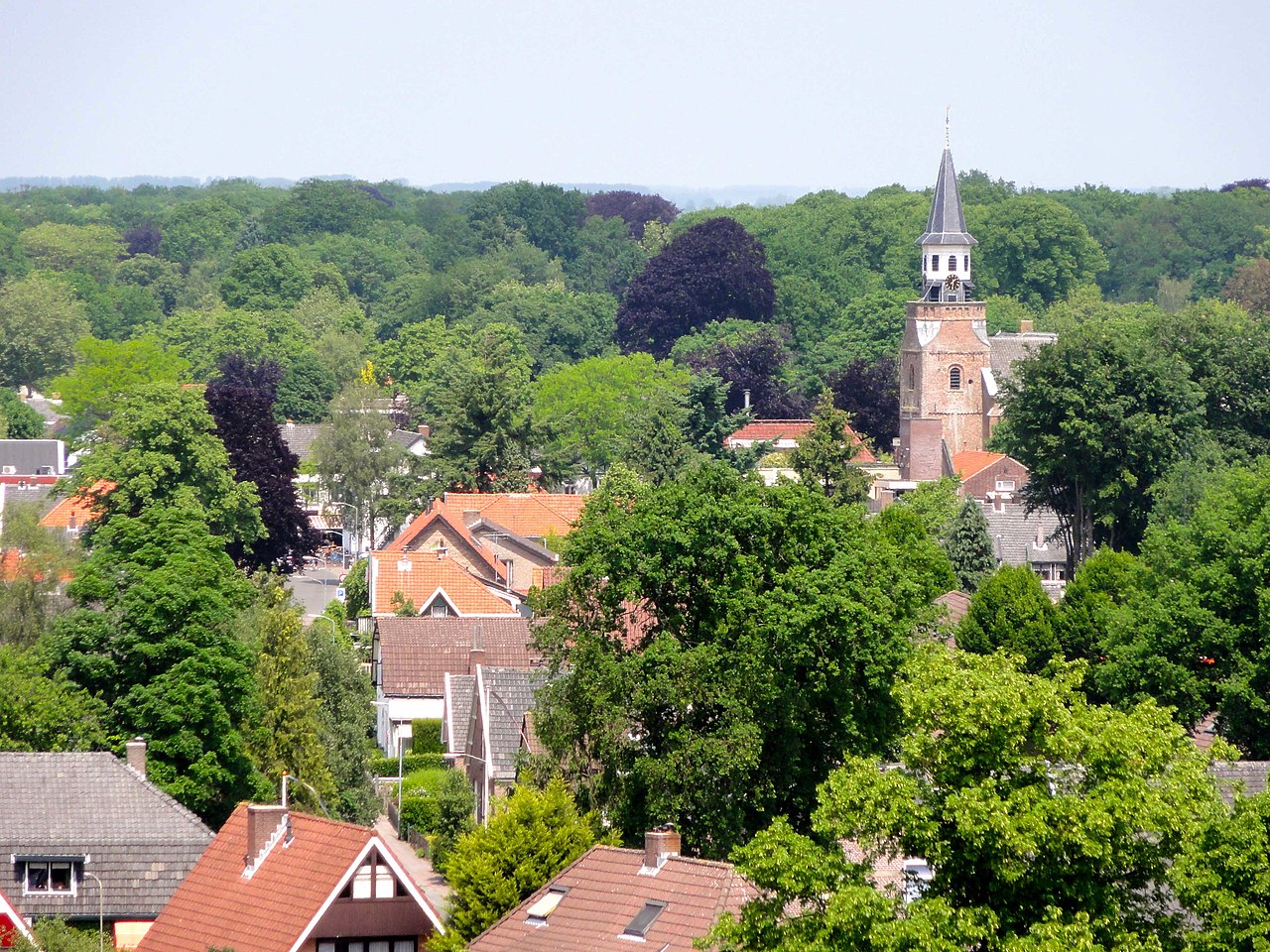




Geography and nature
The municipality lies on the eastern edge of the Veluwe, a broad area of forests, heath and sand drifts that is one of the Netherlands' principal nature regions. To the northwest of the town lies a lake and shoreline used for sailing and water recreation, while inland there are wooded trails and cycling routes that attract visitors year-round.
- Principal population centres include the town of Nunspeet and surrounding villages.
- Landscape: forest, heath, and freshwater shoreline favored for outdoor activities.
History
Nunspeet developed as a rural settlement with roots in agriculture and woodland management. Over centuries the area evolved from scattered farms and small hamlets into a more organized town center. Historic buildings and churches in the district reflect local architectural traditions, and the town expanded steadily through the 19th and 20th centuries as transport and services improved.
Economy and transport
The local economy is a mix of agriculture, small industry, retail and a significant tourism component tied to the Veluwe and nearby water recreation. Nunspeet is served by regional roads and a rail connection that link it to larger Dutch cities, supporting commuting and visitor access.
Culture, recreation and attractions
Nunspeet offers a compact town center with shops, markets and cultural venues; it also acts as a base for outdoor pursuits such as hiking, cycling and sailing. Seasonal events, local markets and community festivals contribute to town life and draw visitors from the surrounding region. Natural areas and trails around Nunspeet are managed for both conservation and leisure.
Notable facts
As part of the Veluwe region, Nunspeet is frequently cited for its natural surroundings rather than for heavy urban development. Its blend of woodland, open heath and shoreline makes it representative of inland Gelderland communities that balance conservation, recreation and local services.
Author
AlegsaOnline.com Nunspeet (municipality in Gelderland, Netherlands) Leandro Alegsa
URL: https://en.alegsaonline.com/art/143530