
Niterói: coastal city across Guanabara Bay in Rio de Janeiro state
Niterói is a coastal municipality in the state of Rio de Janeiro, Brazil, known for its bayfront location opposite Rio de Janeiro city, modernist architecture and ferry and bridge connections across Guanabara Bay.
Overview
Niterói is a coastal municipality in the state of Rio de Janeiro, located on the eastern shore of Guanabara Bay opposite the city of Rio de Janeiro in the southeast region of Brazil. The municipality covers roughly 129.4 km² and, according to recent counts cited for 2018, had a population in the half‑million range, making it one of the larger cities in the state. Niterói functions as an important residential, cultural and transport complement to the capital across the bay.
Image gallery
10 Images



Geography and transport
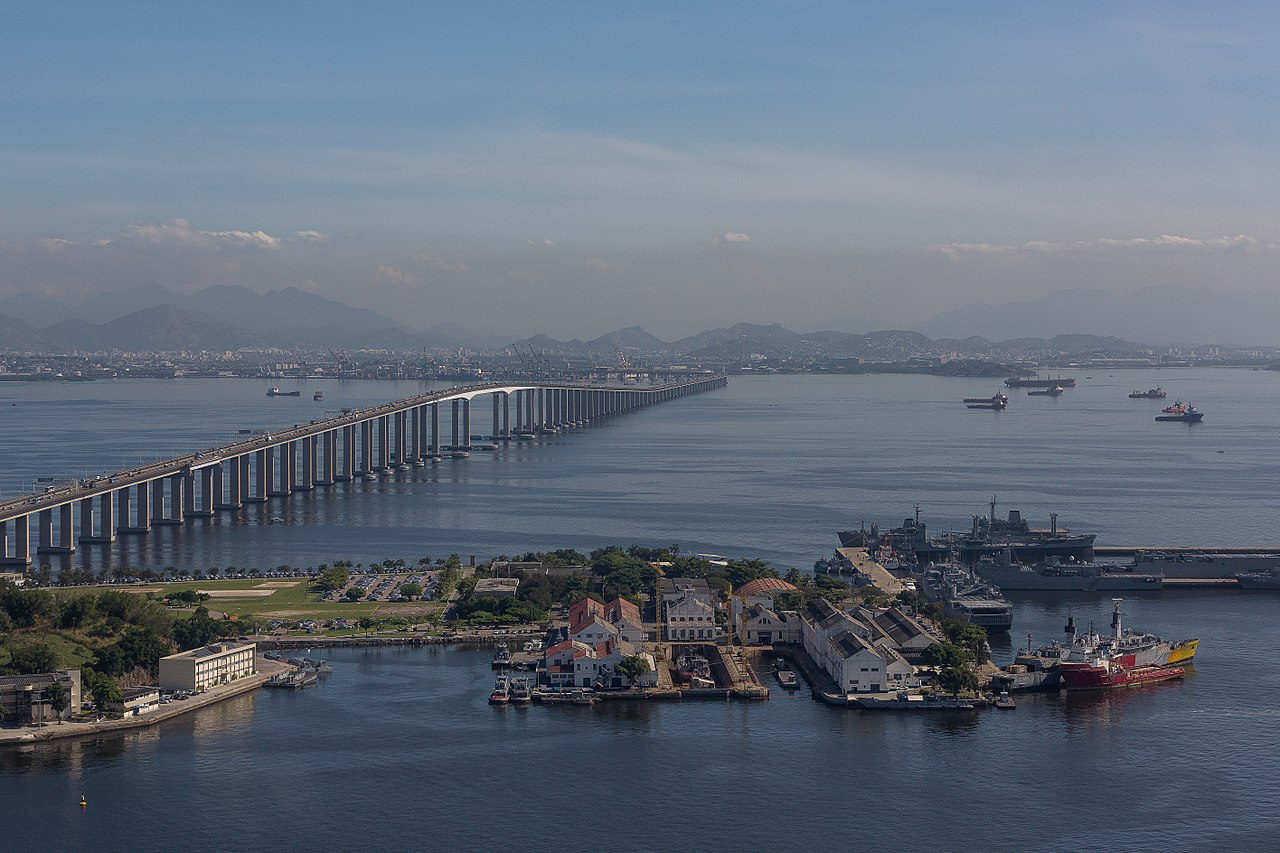
The city occupies a narrow coastal plain backed by hills and granite outcrops, giving it a mix of beachfront areas, rocky viewpoints and urban neighborhoods. It is connected to the city of Rio de Janeiro by frequent ferry services and by the long Rio–Niterói Bridge, a major engineering landmark that carries road traffic across Guanabara Bay. Local mobility is also supported by bus networks and a network of coastal avenues that link beaches and commercial districts.
History and name
Niterói has roots in pre‑colonial and colonial eras and developed alongside Rio de Janeiro as the region urbanized. Its name comes from the indigenous Tupi‑Guarani linguistic family; modern sources trace the toponym to native origins without a single uncontested translation. Over time the settlement grew from fishing and small‑scale agriculture to an integrated urban municipality within the larger metropolitan area.
Culture, economy and quality of life
The city is noted for a comparatively high standard of living within Brazil, with well‑regarded public services, parks and educational institutions. It hosts campuses of prominent universities and a mix of commerce, light industry and service sectors. Tourism and culture are important: visitors come for beaches, viewpoints and modernist architecture. Like many Brazilian cities, Niterói contains diverse neighborhoods ranging from affluent residential areas to more densely settled communities.
Notable sites and distinctions
- Modernist landmarks and museums that attract architecture enthusiasts.
- Beaches and waterfront promenades used for leisure, sport and local events.
- Strategic transport links across Guanabara Bay, notably the Rio–Niterói Bridge and regular ferries.
- Educational institutions and cultural festivals that contribute to regional identity.
Visitors and residents alike value Niterói for its scenic views across the bay, its accessibility to Rio de Janeiro, and its combination of urban amenities with coastal landscapes. For further local administrative or travel information, consult municipal sources or regional guides.
Author
AlegsaOnline.com Niterói: coastal city across Guanabara Bay in Rio de Janeiro state Leandro Alegsa
URL: https://en.alegsaonline.com/art/143410