
Nikolay Havrylovych Shmatko — Ukrainian sculptor and painter
Ukrainian sculptor and painter (1943–2020) from the Donetsk region, known for religious and figurative works, including the Sviatohorska Blessed Virgin; awarded the Order of Nestor the Chronicler.
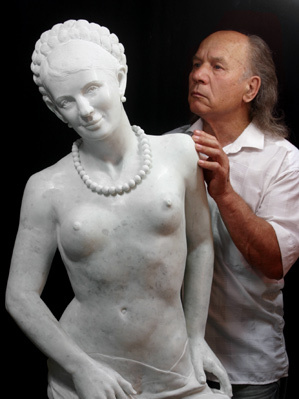
Overview
Nikolay Havrylovych Shmatko (Ukrainian: Николай Гаврилович Шматько) (17 August 1943 – 15 September 2020) was a Ukrainian sculptor and painter whose career spanned the late 20th and early 21st centuries. Born in the Donetsk region of Ukraine, he worked in a variety of media and is remembered for figurative and ecclesiastical pieces that drew attention at both local and national levels.
Image gallery
5 Images


Artistic practice and themes
Shmatko combined traditional figurative approaches with subjects drawn from religious, historical and allegorical sources. As both a sculptor and a painter, he created three-dimensional public works and smaller devotional images. Critics and observers have noted his focus on the human figure and sacred imagery, aiming for expressive form rather than strict modernist abstraction.
Notable works and recognition
One of Shmatko's best-known commissions was the Sviatohorska Blessed Virgin, a representation of the Virgin Mary (Theotokos, sometimes called Hegumenia) created for the Sviato-Uspenskyi Sviatohorskyi Monastery. For this contribution to ecclesiastical art he received a national church honor in 2004.
- 2004: Awarded the Order of Nestor the Chronicler by Metropolitan Volodymyr (Sabodan)
- Multiple public and private commissions in Ukraine, including religious and commemorative sculptures
Legacy and context
Shmatko's work belongs to a strand of Ukrainian art that maintained figurative and religious subjects during a period of social and political change. While not widely known internationally, his sculptures contributed to the visual and spiritual life of the communities that commissioned them. He died in Kyiv in September 2020 at the age of 77, leaving behind works that continue to be visited and discussed by parishioners, collectors and regional historians.
Further information
For readers seeking more on Shmatko's life and images of his work, archival sources, regional museum catalogues and publications on modern Ukrainian ecclesiastical art provide useful starting points. Online resources and local cultural institutions may hold photographs and records of his commissions and exhibitions.
Author
AlegsaOnline.com Nikolay Havrylovych Shmatko — Ukrainian sculptor and painter Leandro Alegsa
URL: https://en.alegsaonline.com/art/143397