
News magazine
A news magazine is a periodical or program that presents longer-form reporting and analysis of current events across print, radio, television, and digital platforms.
Overview
A news magazine is a media format that packages reporting, analysis and feature writing about current events into a periodic publication or program. Unlike headline-driven newscasts or daily newspapers, news magazines emphasize deeper context, longer articles and curated packages that help readers or viewers understand significance, trends and background.
Image gallery
2 Images
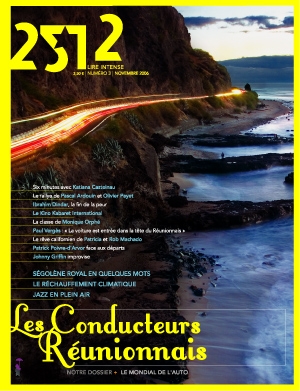
Formats and delivery
News magazines appear in several forms. Traditional print editions appear as weekly or monthly issues and often feature long-form journalism, photography and visual design; see print news magazines. Broadcast versions are produced for radio and television: radio editions may run from about thirty minutes to several hours and follow formats closer to their televised counterparts; for a general description see radio news magazines. Television news magazines combine filmed reports, interviews and studio segments; more on that style is available at television news magazines. Many publications now offer these packages online with interactive elements and searchable archives.
Typical characteristics
Common features of news magazines include investigative reports, long-form features, thematic essays, in-depth interviews and explanatory pieces that place events in broader social, economic or political context. They often use editorial planning to assemble several related stories into a single issue or episode, and they may include analysis, timelines, profiles and photo essays. The editorial tempo is slower than daily news, allowing reporters to verify facts, gather documentation and synthesize complex information.
History and development
The news magazine concept evolved as audiences sought curated, interpretive journalism beyond the immediacy of newspapers and broadcast bulletins. In the 20th century, periodic news magazines became a prominent vehicle for investigative journalism and long-form storytelling. With the rise of radio and television, producers adapted the format into hour-long segments and recurring programs; in the digital era, many magazines maintain cross-platform presence combining print, audio and video.
Uses and importance
News magazines play several roles: they explain complex subjects, hold power to account through investigations, and preserve narrative depth that short news items cannot provide. Readers and viewers turn to them for background, comparative reporting and features that explore causes and consequences. They also serve as a training ground for long-form reporters and an archival record of major stories.
Distinctions and notable facts
- Compared with daily newspapers, news magazines prioritize depth and synthesis over immediate breaking coverage; see a comparison at newspapers and magazines.
- Radio news magazines are typically longer than standard newscasts and may include documentary-style pieces and interviews that run well beyond a few minutes.
- Television and digital versions often reuse reporting across formats so a single investigation can appear as a print feature, a radio documentary and a television segment.
Because the format crosses media, the term "news magazine" can refer to a printed periodical, an audio program, a television show or an online magazine—each adapting the same core purpose of providing sustained, interpretive coverage of contemporary events.
Author
AlegsaOnline.com News magazine Leandro Alegsa
URL: https://en.alegsaonline.com/art/143271