
Muskegon County, Michigan
Muskegon County is on Michigan's Lake Michigan shoreline. It combines industrial history, freshwater recreation, and small-city communities centered on the city of Muskegon.
Overview
Muskegon County is a coastal county in the U.S. state of Michigan. As recorded in the 2010 census, the county had a population of 172,188. The administrative center and largest city is the county seat, Muskegon. The county lies along Lake Michigan and serves as a regional hub for commerce, recreation, and transportation in western Lower Michigan.
Image gallery
2 Images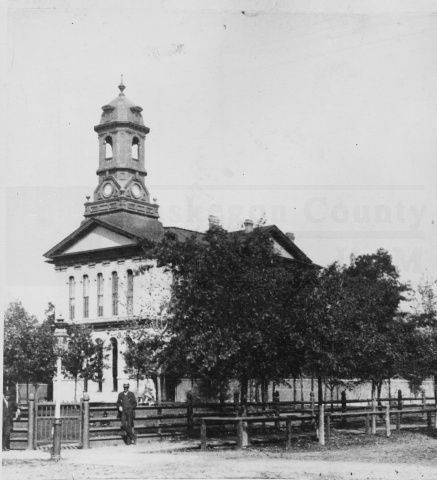

Geography and environment
Muskegon County features a mix of shoreline, inland lakes, rivers and lowland wetlands. The landscape includes sandy beaches and dunes along Lake Michigan, wooded areas and agricultural land inland. These natural resources support fisheries, boating, hiking and seasonal tourism. The Muskegon River and a network of smaller streams and lakes shape local drainage and recreational opportunities.
History and development
Before European settlement the area was inhabited by Anishinaabe peoples. In the 19th century the county became noted for lumbering and related manufacturing, which drove early growth and the development of port facilities. Over time the local economy diversified to include heavy and light manufacturing, services and tourism centered on the lakeshore and parks.
Communities and government
The county contains a mix of cities, villages and townships. Major population centers include:
- City of Muskegon
- Norton Shores
- Muskegon Heights
- North Muskegon and several townships
Local government follows the Michigan county model with elected officials and a county board responsible for budgets, public safety, roads and social services. Educational institutions range from public school districts to community college and vocational training that serve regional needs.
Economy, transportation and recreation
Industry in Muskegon County includes manufacturing, healthcare, retail and tourism. The shoreline and inland waterways support marinas, state parks and beach resorts that draw summer visitors. Transportation corridors include state highways, local roads and port facilities that handle recreational and commercial traffic.
Attractions and notable facts
The county offers museums, parks and waterfront attractions: art and maritime museums, preserved historic sites, state parks and boat access to Lake Michigan. Outdoor recreation—swimming, sailing, fishing, hiking and winter sports—plays an important role in local life and the visitor economy. Muskegon County remains a point of access to the Great Lakes and an example of a Michigan community combining industrial roots with a strong recreational shoreline.
Author
AlegsaOnline.com Muskegon County, Michigan Leandro Alegsa
URL: https://en.alegsaonline.com/art/143096