
Soviet–Afghan War (1979–1989)
Armed conflict following the 1979 Soviet military intervention in Afghanistan. A decade of guerrilla warfare involving the Soviet Union, the Afghan government, the Mujahideen and international backers reshaped the region.
Overview
The Soviet–Afghan War was a protracted armed conflict that began with a Soviet military intervention in December 1979 and continued through the withdrawal of Soviet forces in 1988–1989. The intervention was intended to bolster the communist government in Kabul against a growing insurgency, and the decade that followed involved conventional operations, counterinsurgency campaigns and widespread guerrilla warfare. The conflict drew significant foreign involvement and became a major theatre of Cold War rivalry in South Asia; for background on the intervention see Soviet intervention.
Image gallery
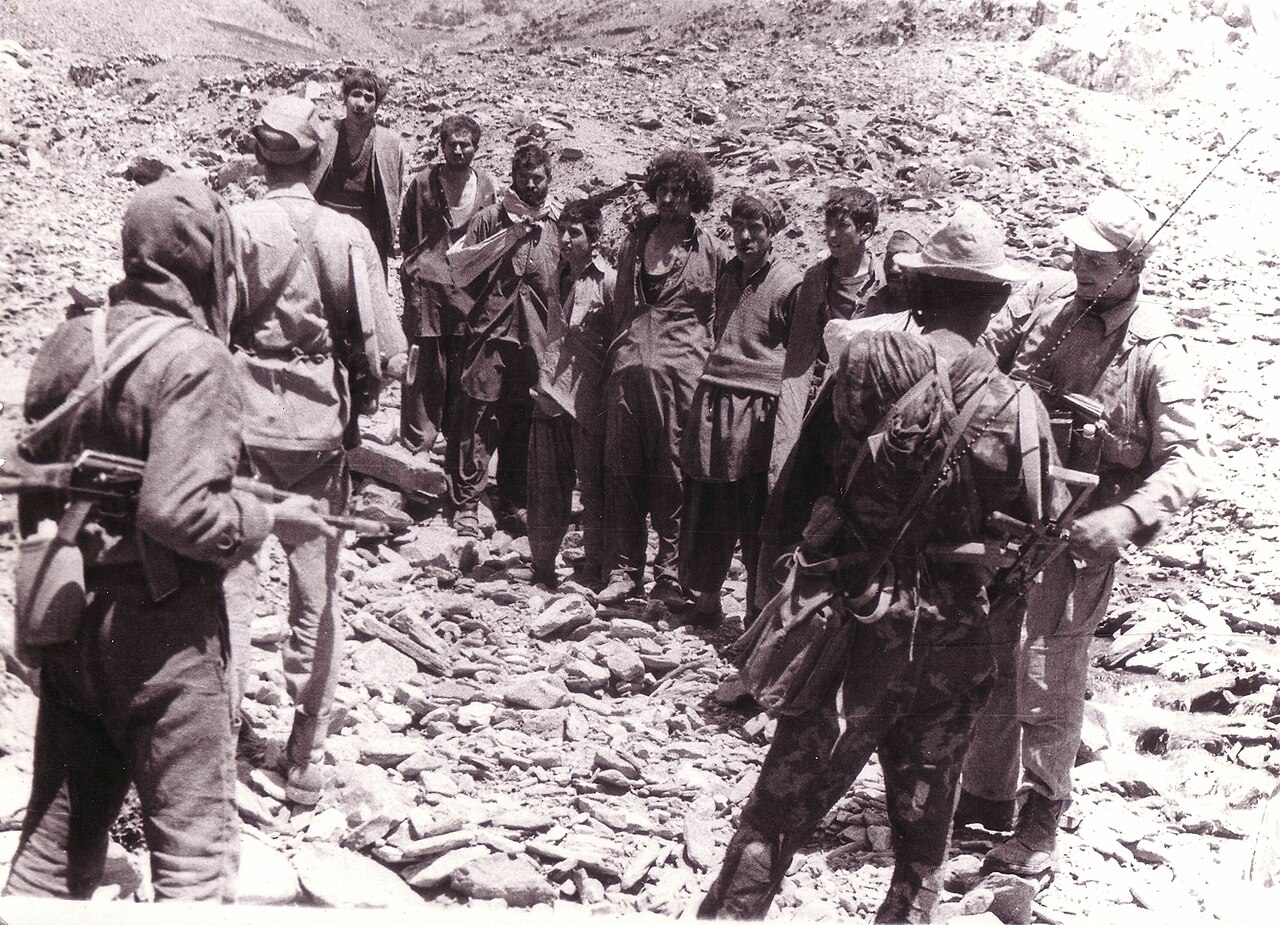
10 Images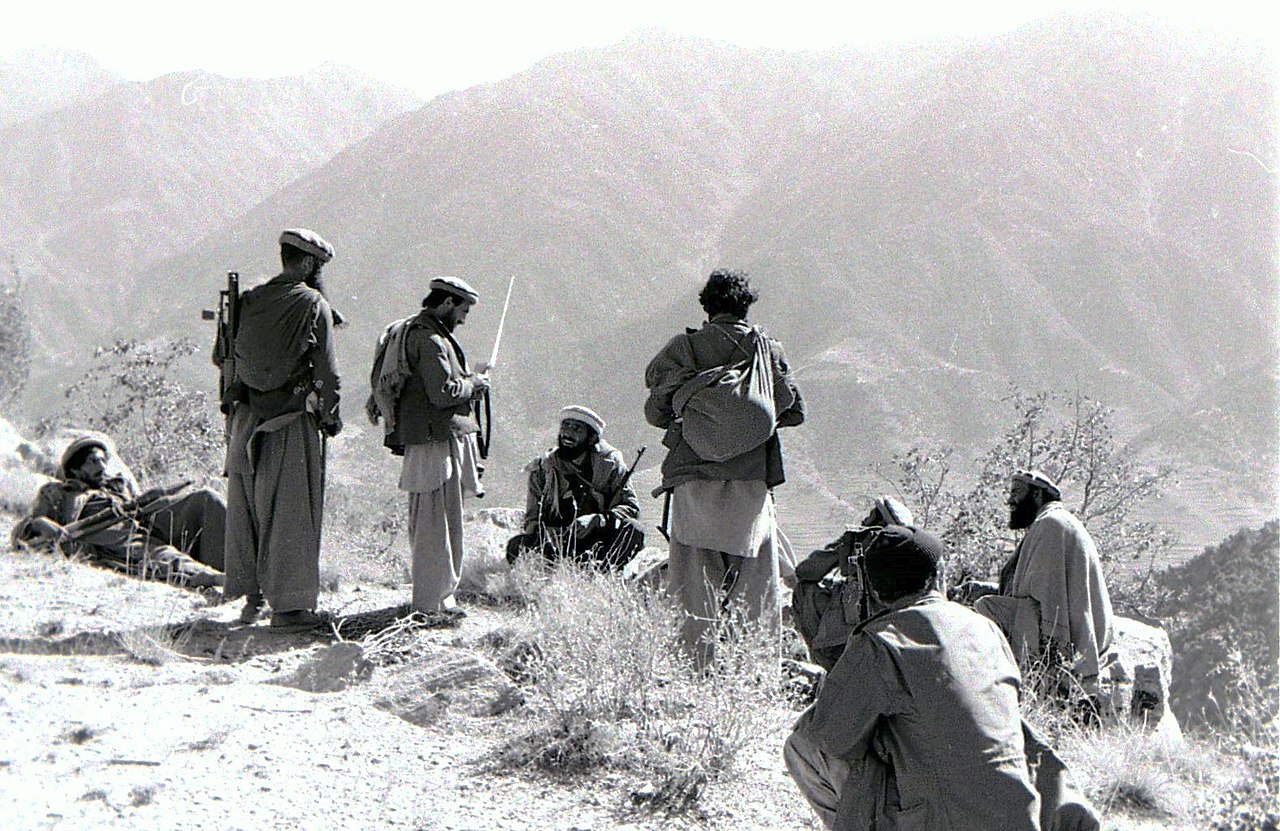




Causes and course
The immediate trigger was political instability inside Afghanistan after the 1978 Saur Revolution and infighting within the ruling People's Democratic Party of Afghanistan. Facing an organized insurgency known as the Mujahideen, and fearing the collapse of a friendly regime on its southern border, the Soviet Union sent elements of its 40th Army into Afghanistan, with mechanized units and advisers arriving on or around 25 December 1979. Over the next decade Soviet and Afghan government forces attempted to defeat the insurgency, while the insurgents continued asymmetric operations and retained the ability to strike both military and logistical targets.
Nature of the conflict and external support
Combat in Afghanistan combined conventional offensives with guerrilla tactics. The Mujahideen operated in small, mobile units and relied on local knowledge and support from rural populations to evade larger Soviet formations. International assistance to the anti-government forces increased over time: the United States provided financial aid, weapons and training as part of a broader policy of opposing Soviet influence (United States), while Pakistan served as a logistical and training base for many resistance groups (Pakistan). Additional support came from regional and global partners in the form of funding, weapons and sanctuary. The arrival of more effective portable anti-aircraft weapons and other arms shifted tactical balances at several points and complicated Soviet air mobility and supply lines.
Human cost and displacement
The war caused extensive human suffering and long-term disruption. Estimates of casualty totals vary and are frequently disputed; modern summaries typically note large numbers of combatant and civilian deaths and significant displacement of the population. Millions of Afghans were uprooted internally or fled abroad as refugees, placing long-lasting strain on neighboring countries and creating humanitarian crises. Soviet casualties numbered in the thousands; Soviet losses, injuries and equipment attrition contributed to domestic unease about the conflict. Exact figures remain debated, so sources typically present ranges rather than a single definitive total.
Withdrawal and immediate aftermath
Under domestic and international pressure the Soviet leadership negotiated a timetable for troop withdrawal. The pullout formally began in the spring of 1988, with phased reductions after agreements reached between external parties; the process is often dated from 15 May 1988. The main body of Soviet combat forces departed over late 1988 and early 1989, and official announcements marking the end of the military presence were made in February 1989 (February 1989). After the Soviet departure, Afghanistan descended into renewed factional fighting among former resistance groups and government forces, eventually creating conditions that enabled the later rise of the Taliban and further regional instability.
Legacy and notable facts
The war had far-reaching consequences: it strained the Soviet economy and military, influenced Cold War diplomacy, and altered the security dynamics of South and Central Asia. Many veterans and weapons remained in the region after withdrawal, contributing to subsequent conflicts. The Soviet–Afghan War is frequently cited as a case study in the difficulties of foreign intervention against an entrenched insurgency and in the broader interactions between local grievances and international competition.
- Dates: Soviet intervention late December 1979; phased withdrawal began 15 May 1988 and concluded with announcements in February 1989.
- Main belligerents: Democratic Republic of Afghanistan (backed by the USSR) vs. various Mujahideen factions supported by external states including the United States and Pakistan.
- Key events: arrival of the Soviet 40th Army (25 December 1979), intensification of foreign aid to insurgents, and eventual Soviet withdrawal.
Questions and answers
Q: What caused the Soviet Union to enter Afghanistan?
A: The Afghanistan government was unable to resist the opposition, called the Mujahideen, so they sought aid from the Soviet Union.
Q: Who were the main opponents of the Soviet Union in this war?
A: The main opponents of the Soviet Union were Afghan assistance fighters, also known as Mujahideen.
Q: How did local populations respond to foreign involvement?
A: Local populations sided with the Mujahideen due to extensive destruction of infrastructure and death caused by massive military campaigns against them. This caused a loss of support for the Soviet military presence and nationwide resistance.
Q: When did fighting begin in Afghanistan?
A: Fighting began in December 1979.
Q: How long did it last?
A: It lasted until February 1989, about ten years total.
Q: What countries supported anti-government forces during this war? A: Anti-government forces had support from many countries, mainly the United States and Pakistan.
Q: When did troops start leaving Afghanistan? A: Troops started leaving Afghanistan on 15 May 1988 and all troops had left by 2 February 1989.
Author
AlegsaOnline.com Soviet–Afghan War (1979–1989) Leandro Alegsa
URL: https://en.alegsaonline.com/art/145940