
Muhammad ibn Jarir al-Tabari (838–923): historian and Qur'anic commentator
Persian-born scholar Muhammad ibn Jarir al-Tabari (838–923) authored foundational works in Islamic history and Qur'anic exegesis, most notably his Tarikh and his comprehensive Tafsir.
Overview
Muhammad ibn Jarir al-Tabari (838–923) was a Persian-born scholar whose writings became central to Sunni scholarship. Born in Amol in the region of Tabaristan, he spent much of his career in the intellectual centers of the Islamic world. Al-Tabari combined training in hadith, law, and theology to produce comprehensive works that collected and organized earlier reports rather than relying primarily on personal argumentation. Modern readers know him chiefly as a historian and commentator on the Qur'an: his name is linked to both political narrative and religious exegesis.
Image gallery
3 Images

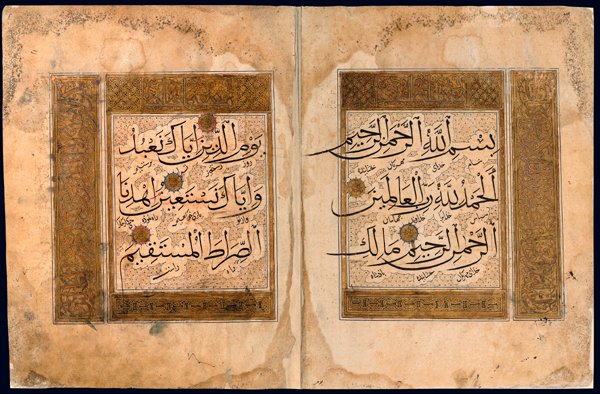
Major works
Two compositions secure his reputation:
- Tafsir al-Tabari (often called Jami' al-bayan): a verse-by-verse commentary that records transmitted explanations, linguistic analysis, and variant reports.
- Tarikh al-Tabari (History of the Prophets and Kings): a chronological account of sacred and political history from creation to his own age, compiling earlier chronicles and traditions.
Method and characteristics
Al-Tabari favored compilation and citation. In both his tafsir and his history he systematically records multiple chains of transmission (isnads) and alternative narratives, allowing readers to compare accounts. He was more inclined to gather and present material than to engage in sustained critical revision; when he did prefer one report he usually explained his reason. This approach preserved a wide array of early material that would otherwise be lost.
Historical context and influence
Writing in the intellectual milieu of ninth- and tenth-century Baghdad, al-Tabari drew on the libraries and networks of scholars active in hadith, law, philology, and local chronicle traditions. His works became standard references: historians, jurists, and exegetes consulted him for early reports and biographical details. Later generations used his collections as source material; modern scholars also rely on his compilations while applying critical methods to their contents. See discussions of his life and legacy at further Persian biographical resources and overviews of Islamic historiography at historical studies.
Notable facts and distinctions
Al-Tabari is notable for the scale and preservation value of his compilations. His tafsir is an early, comprehensive example of tafsir bi'l-ma'thur (exegesis by transmission) and remains a key resource for understanding early interpretive traditions of the Qur'an. While later historians developed more critical or thematic techniques, al-Tabari’s careful recording of variants makes his work indispensable for reconstructing early Islamic thought and events.
Author
AlegsaOnline.com Muhammad ibn Jarir al-Tabari (838–923): historian and Qur'anic commentator Leandro Alegsa
URL: https://en.alegsaonline.com/art/143061