
Montmorency County, Michigan
Rural county in the northern Lower Peninsula of Michigan noted for forests, lakes, small towns and outdoor recreation. The county seat is Atlanta and the 2010 population was 9,765.
Overview
Montmorency County is a sparsely populated county in the northern part of Michigan's Lower Peninsula. Known for its wooded landscape, freshwater bodies and outdoor recreation opportunities, the county functions as a largely rural area with small communities and widely spaced services. As recorded in the 2010 census, the population was 9,765, reflecting a low population density compared with Michigan's urban regions; more recent figures can be found through official population sources such as census data.
Image gallery
5 Images


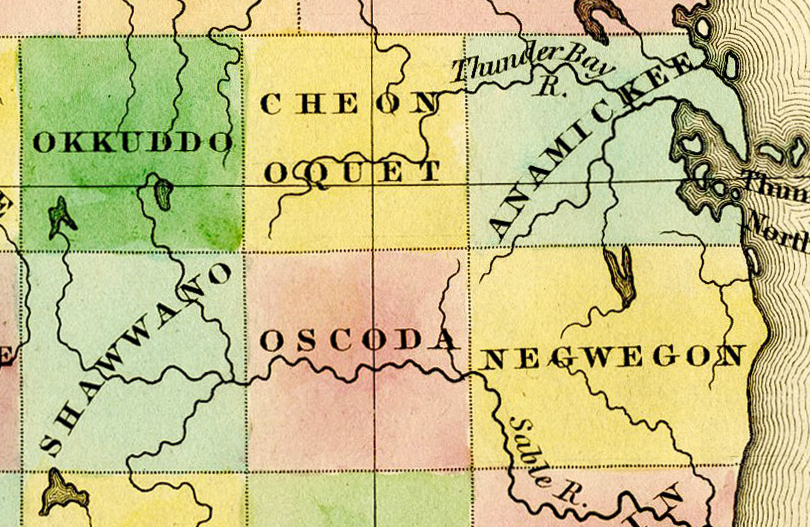

Geography and environment
The county's terrain is dominated by mixed hardwood and conifer forests, wetlands and a network of small lakes and streams. These natural resources support wildlife, timber, and recreational activities such as fishing, hunting, boating and snowmobiling in winter. Its setting in the northern Lower Peninsula gives it a temperate continental climate with cold winters and warm summers. For additional geographic context see the state page: Michigan.
Communities and demographics
Montmorency County's administrative center and largest village is Atlanta, which serves as the county seat and a local service hub. The remainder of the population is distributed among smaller villages, townships and unincorporated settlements. Residents tend to be engaged in occupations tied to natural resources, small-scale agriculture, local services and tourism. Population trends in such rural counties often show slow growth or modest decline over recent decades.
Economy and recreation
Economic activity in the county centers on forestry, outdoor recreation, small businesses and public services. The landscape attracts visitors for seasonal outdoor pursuits including camping, fishing and winter sports, which support local lodging, guides and hospitality services. Land management and conservation play a role in balancing use and preservation of water and forest resources.
History, government and notable facts
Montmorency County was organized in the later 19th century and is administered by a county board with typical local government departments for roads, public health and law enforcement. Its rural character, natural amenities and small-town civic life distinguish it from Michigan's metropolitan counties. General information and local government contacts can be found through county and state resources, for example a county overview at county resource or broader state information at Montmorency resources.
Author
AlegsaOnline.com Montmorency County, Michigan Leandro Alegsa
URL: https://en.alegsaonline.com/art/142904