
Montgomery County, North Carolina
A largely rural county in central North Carolina with small towns, farms, woodlands and a county seat at Troy. Named for Revolutionary War general Richard Montgomery; population was 27,798 at the 2010 census.
Overview
Montgomery County is a largely rural county located in the central portion of North Carolina. The county seat and administrative center is the town of Troy. At the 2010 census the county recorded a population of 27,798. The county's character is defined by small towns, working farms, timberland and a landscape that sits near the transition between the Piedmont and the inner coastal plain.
Image gallery
4 Images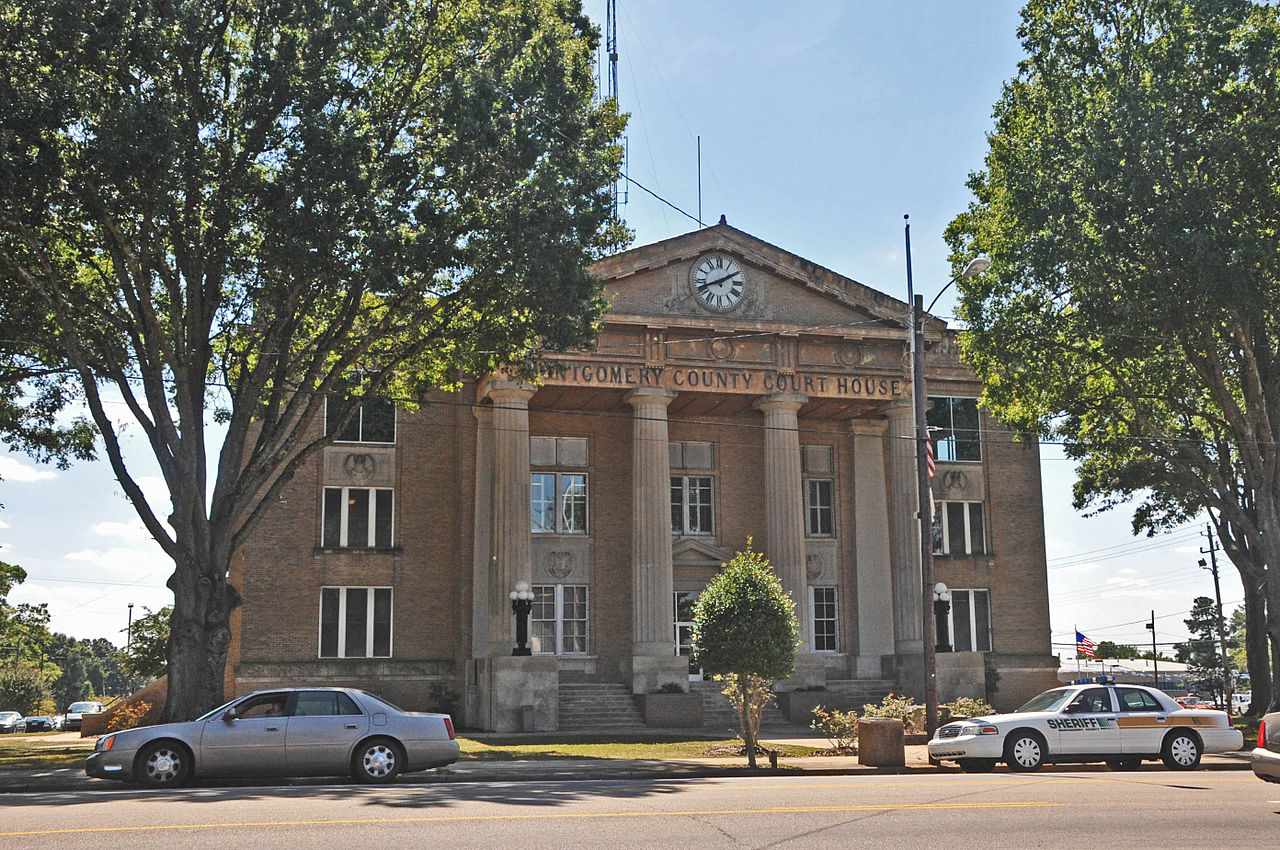


Geography and environment
The terrain of Montgomery County consists of rolling hills, low ridges and river valleys. Woodlands, streams and agricultural tracts create a mix of natural habitats that support regional wildlife and offer opportunities for outdoor recreation. The county lies near the Uwharrie highlands, and parts of the surrounding region include forested public lands and recreational waterways that attract residents and visitors for hiking, fishing and hunting.
History
Montgomery County has roots in the early settlement and state development of North Carolina. Like many counties created after the colonial era, it was named for General Richard Montgomery, an officer of the American Revolutionary War. Historic downtowns, older churches and farmsteads reflect growth during the 19th and early 20th centuries; local historical societies preserve the county's built and cultural heritage.
Communities and economy
The county's population is concentrated in a few small towns and many dispersed rural neighborhoods. In addition to Troy, communities such as Biscoe and Star are among the county's population centers, and smaller towns and unincorporated settlements contribute to the local network of services. Economic activity is dominated by agriculture, forestry and small-scale manufacturing, together with retail and service businesses that support residents. Many households also commute to larger regional employment centers for work.
Government, education and services
Local government is structured to provide core services including public safety, road maintenance, land use planning and public schools. The county operates through elected officials and departments that coordinate with state agencies for health, social services and economic development. Public education is provided by local school districts; residents also rely on nearby community colleges and regional institutions for higher education and vocational training.
Transportation and infrastructure
Transportation in Montgomery County is based on a network of state and county roads that connect towns to neighboring counties and regional centers. Infrastructure priorities typically include road upkeep, broadband expansion for rural areas, and maintaining utilities that serve both small towns and outlying farms.
Recreation and cultural life
Outdoor recreation—hiking, boating, hunting, fishing and community festivals—plays an important role in local life. Preservation of farmland, wooded tracts and small historic districts helps maintain the county's rural character. Local community organizations and chambers of commerce support events, tourism information and business development; for administrative details and visitor guidance consult county resources and regional guides such as those provided by state and local organizations: county and regional resources.
- County seat: Troy
- 2010 population: 27,798
- Landscape: rural, agricultural, wooded hills
- Named for: General Richard Montgomery
Author
AlegsaOnline.com Montgomery County, North Carolina Leandro Alegsa
URL: https://en.alegsaonline.com/art/142891