
Monterey Park, California
Suburban city in the western San Gabriel Valley of Los Angeles County, noted for its diverse population, strong Asian American presence, community institutions, parks, and suburban history.
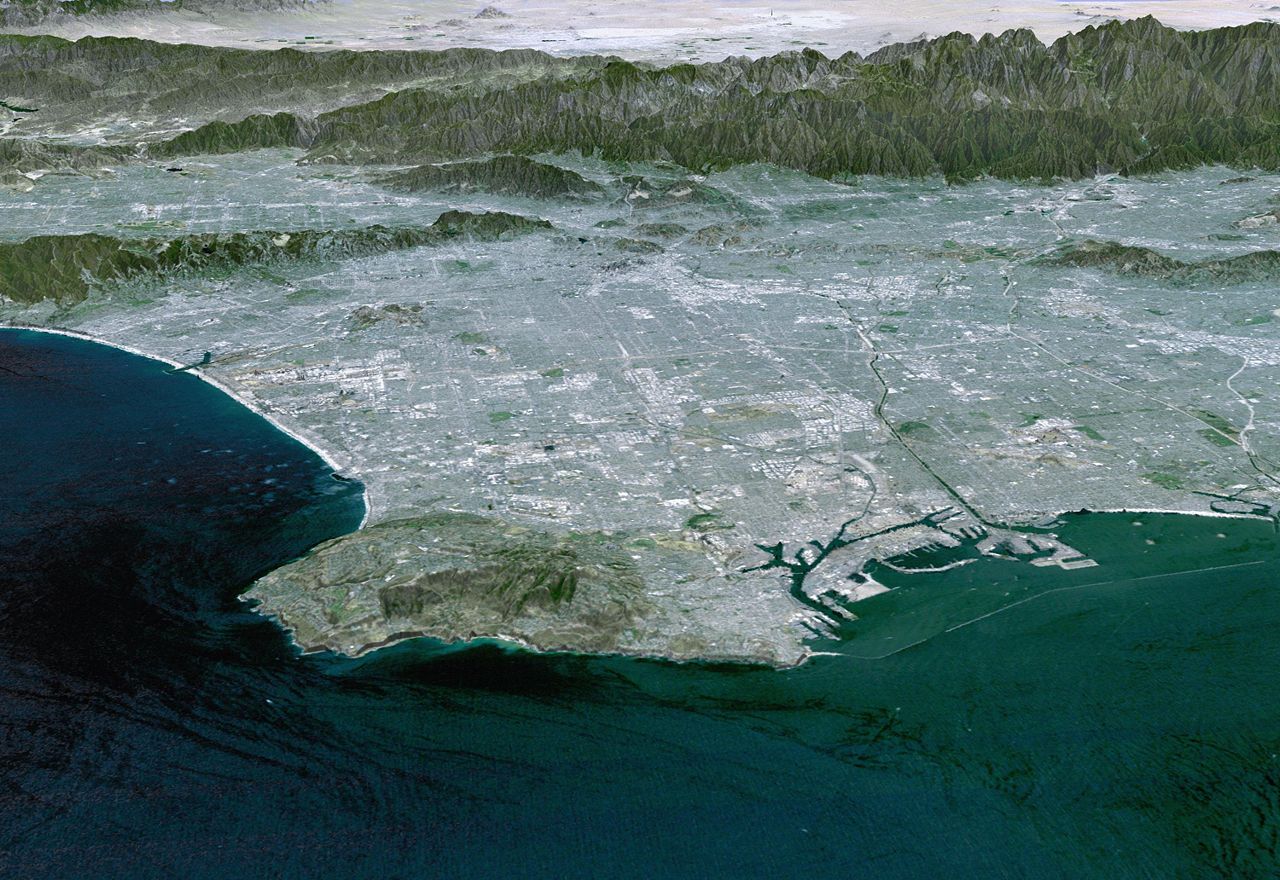
Monterey Park is a suburban city in the western San Gabriel Valley region of Los Angeles County, located a few miles east of central Los Angeles. The community is part of the larger Los Angeles metropolitan area and functions as a residential and commercial hub for the surrounding neighborhoods. The municipal government and local resources are often summarized on the city website, while its county context is reflected in broader services provided by Los Angeles County.
Image gallery
7 Images


Location and character
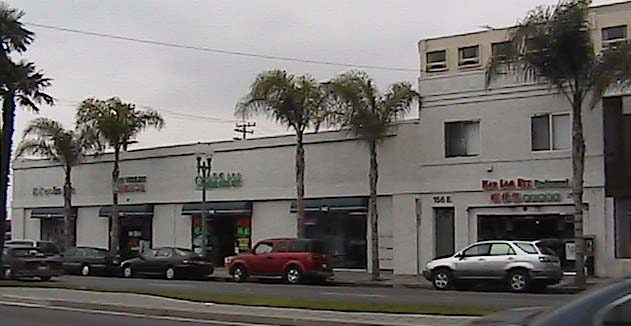
Positioned within commuting distance of central Los Angeles, Monterey Park combines suburban blocks, small commercial corridors, and public green spaces. The city offers a mix of single-family homes, multifamily buildings, and neighborhood shopping areas. Its compact footprint and proximity to a major urban center make it attractive to households seeking access to metropolitan jobs and amenities while retaining a quieter residential feel.
History and development
Like much of the San Gabriel Valley, the area that became Monterey Park was shaped by Spanish and Mexican land grants and later by agricultural development in the 19th and early 20th centuries, including orchards and vineyards. The community incorporated as a municipality in the early 20th century and experienced significant suburban growth after World War II as Los Angeles expanded outward. Postwar housing development, roadway improvements, and rising regional employment contributed to its transformation from farmland to a dense suburban city.
Demographics and culture
Monterey Park is noted for its ethnically diverse population and a prominent Asian American community that expanded during the late 20th century, attracting immigrants, entrepreneurs, and family-run businesses. That demographic change led to a rich mix of restaurants, shops, and cultural institutions that reflect East Asian and Southeast Asian heritage alongside long-standing Latino and other communities. According to the 2010 Census, the city population was recorded at 60,269, and subsequent years have seen continuing diversity and demographic shifts.
Economy, services, and transportation
The local economy is driven by small and medium-sized businesses, retail corridors, professional services, and community institutions. Residents rely on a combination of local employment and jobs elsewhere in the Los Angeles region. Monterey Park is served by regional transit networks and roadway connections that support commuting, and the city maintains parks, libraries, and public services that cater to families and older adults.
Notable aspects and contemporary issues
Monterey Park has been described in media and scholarship as an early example of suburban ethnic diversification—sometimes called a model of suburban Chinatown development—where immigrant entrepreneurship reshaped a middle-class suburb. The city hosts festivals, cultural events, and community organizations that reflect its multiethnic make-up. Like many inner-ring suburbs, Monterey Park faces contemporary challenges including housing affordability, balancing commercial growth with residential quality of life, and planning for a changing population.
- Overview and government: city information and services
- County services and regional context: Los Angeles County
- Proximity to central Los Angeles and metropolitan connections: Los Angeles
- Population data reference: 2010 Census
Author
AlegsaOnline.com Monterey Park, California Leandro Alegsa
URL: https://en.alegsaonline.com/art/142870