
Mirabeau B. Lamar
Texas statesman, soldier, poet and the second president of the Republic of Texas; notable for championing public education, westward expansion, and controversial Indian removal policies.
Mirabeau Buonaparte Lamar (August 16, 1798 – December 19, 1859) was an American lawyer, soldier, poet and political leader best known for serving as the second president of the Republic of Texas. He rose to prominence in the 1830s and 1840s as a passionate advocate for Texas independence, civic institutions, and territorial expansion. Before and after his presidency he worked in law and diplomacy, and he left a mixed legacy of public education reforms and aggressive Indian and expansionist policies.
Image gallery
4 Images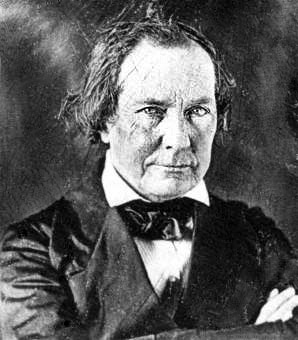


Early life and career
Born in Georgia, Lamar trained in the law and practiced as an attorney before moving to Texas. He fought in the Texas struggle for independence and took on several public roles in the young republic. He became a prominent politician, serving in legislative and executive posts that positioned him as a leading voice opposite Sam Houston on the direction Texas should take after independence.
Presidency: goals and measures
Lamar was elected as the second President of the Republic of Texas after Sam Houston. During his administration he pursued a national vision for Texas: expanding its borders, strengthening its naval and military capabilities, and establishing enduring institutions. Among his most lasting actions were measures to create a public school system and to reserve land for schools and future higher education.
Key policies and initiatives
- Education: Lamar is often credited as a founder of public education in Texas, initiating land grants and policies intended to support common schools and colleges.
- Territorial ambition: He supported expansion of Texas territory and pushed for an active foreign and military policy to secure borders.
- Native American relations: Lamar favored removal and military action against Native American groups, a stance that produced violent campaigns and longstanding controversy.
Later life and legacy
After leaving the presidency, Lamar continued public service as a diplomat and officeholder and remained an influential voice in Texas affairs. He wrote poetry and commentary, and places and institutions in Texas bear his name in recognition of his role in the republic: counties, cities, and universities honor his memory. At the same time, historians and communities debate his legacy because his educational achievements sit alongside policies that harmed Indigenous peoples and increased the young republic's debt.
Assessment
Mirabeau B. Lamar is remembered as a complex figure: energetic and imaginative in building civic institutions, but also uncompromising and costly in military and Indian-policy ventures. His career illustrates the tensions of a frontier republic seeking stability, recognition and growth while confronting the moral and practical consequences of expansion. For further reading on Lamar’s life and administration, contemporary archives and biographies provide detailed accounts of his policies and their effects on Texas development.
Author
AlegsaOnline.com Mirabeau B. Lamar Leandro Alegsa
URL: https://en.alegsaonline.com/art/142751