
Marie Anne Éléonore de Bourbon (1690–1760), French princess and nun
Granddaughter of Louis XIV who took religious vows and lived at the Abbey of Saint-Antoine-des-Champs; known by the baptismal names Marie Anne Gabrielle Éléonore.
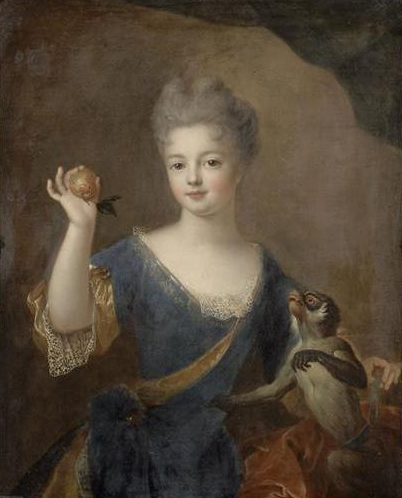
Marie Anne Éléonore de Bourbon (22 December 1690 – 30 August 1760) was a member of the Bourbon royal family who spent her adult life in religious service. Contemporary records give her full baptismal names as "Marie Anne Gabrielle Éléonore," and she is reported to have signed documents as Marie Gabrielle Éléonore. She is described in surviving notices as a granddaughter of King Louis XIV and as having been a nun at the Abbey of Saint-Antoine-des-Champs.
Image gallery
2 Images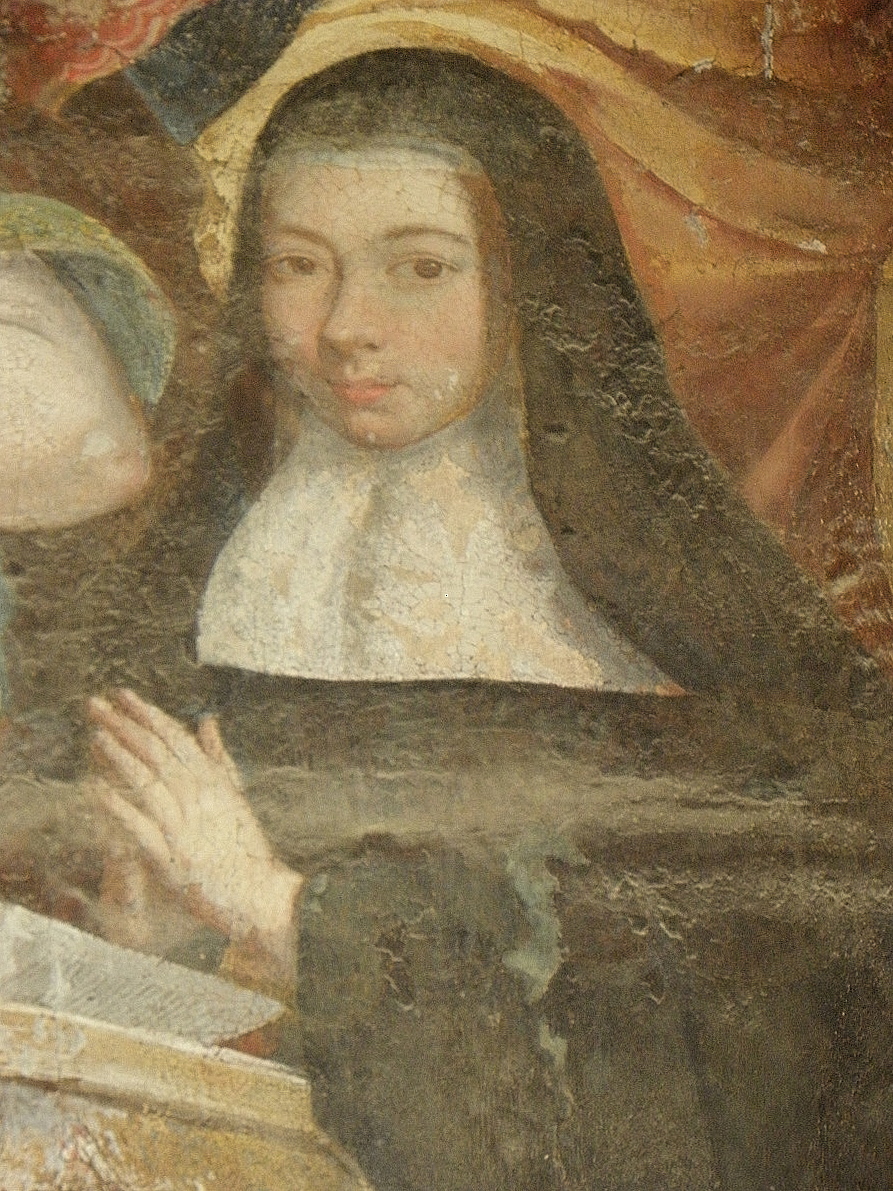
Background and family context
Born into the House of Bourbon during the late reign of Louis XIV, Marie Anne Éléonore belonged to a generation of highborn women whose lives were shaped by dynastic, religious and social expectations. For many daughters of noble houses, entrance into a convent was a respectable and often politically expedient path when marriage alliances were limited or when families wished to provide a pious occupation for an unmarried princess.
Religious life and the abbey
Historical references identify her as a nun at the Abbey of Saint-Antoine-des-Champs, a Parisian religious house that traditionally received women of noble origin. Life in such an abbey combined communal prayer, participation in the Divine Office, and duties related to the upkeep of the convent and its charities. Noble nuns sometimes had special privileges within their communities, including private apartments and continued contact with their families.
Names, records and contemporary practice
Baptismal and convent records customarily recorded multiple given names; Marie Anne Éléonore’s three names reflect that practice. Sources indicate she was baptised with the names "Marie Anne Gabrielle Éléonore" and that she signed documents as Marie Gabrielle Éléonore. These variations are typical of the period, when individuals often used shortened or preferred combinations of their recorded names in everyday life.
Significance and later history
- As a royal nun, she illustrates how dynastic families combined piety and politics in the careers of their daughters.
- The Abbey of Saint-Antoine-des-Champs itself later became better known for its historical connections to Parisian religious life; many such institutions underwent major changes during the later 18th century.
Further details are sparse in summary notices, but primary baptismal and convent registers, where available, offer the best sources for precise dates and signatures; some of those records are referenced in archival catalogues and scholarly inventories (see sources on the abbey) and in lists of parish baptisms (baptismal registers). The surviving outline of her life—birth in 1690, entrance into religious life, and death in 1760—fits the broader pattern of noblewomen who combined family status with a vocation to contemplative community life.
Questions and answers
Q: Who was Marie Anne Éléonore de Bourbon?
A: Marie Anne Éléonore de Bourbon was a granddaughter of King Louis XIV.
Q: What was Marie Anne Éléonore de Bourbon's occupation?
A: Marie Anne Éléonore de Bourbon was a nun at the Abbey of Saint-Antoine-des-Champs.
Q: When was Marie Anne Éléonore de Bourbon born?
A: Marie Anne Éléonore de Bourbon was born on December 22, 1690.
Q: What was Marie Anne Éléonore de Bourbon's full name?
A: Marie Anne Éléonore de Bourbon's full name was Marie Anne Gabrielle Éléonore.
Q: What name did Marie Anne Éléonore de Bourbon use to sign documents?
A: Marie Anne Éléonore de Bourbon signed documents as Marie Gabrielle Éléonore.
Q: Who was the king during the time of Marie Anne Éléonore de Bourbon's birth?
A: King Louis XIV was the king during the time of Marie Anne Éléonore de Bourbon's birth.
Q: When did Marie Anne Éléonore de Bourbon pass away?
A: Marie Anne Éléonore de Bourbon passed away on August 30, 1760.
Author
AlegsaOnline.com Marie Anne Éléonore de Bourbon (1690–1760), French princess and nun Leandro Alegsa
URL: https://en.alegsaonline.com/art/142205