
Manila, Utah: small county seat and gateway to Flaming Gorge
Manila is a small town in northeastern Utah that serves as the county seat of Daggett County. It is known for its proximity to Flaming Gorge Reservoir and outdoor recreation, with a population of 310 (2010).
Manila is a small town and the county seat of Daggett County in Utah, United States. At the 2010 census it recorded 310 residents, making it one of the smaller incorporated seats of local government in the region. Despite its modest size, Manila functions as a service center for surrounding ranchlands and for visitors drawn to nearby public lands.
Image gallery
2 Images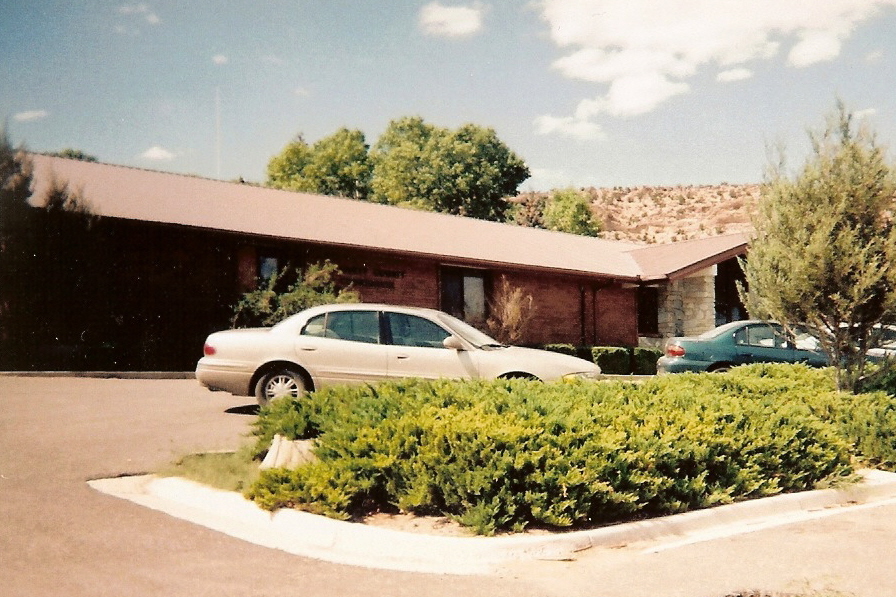

Geography and climate
Located in northeastern Utah near the Wyoming border, Manila sits close to the shoreline of Flaming Gorge Reservoir and the slopes of Ashley National Forest. The town occupies a high-elevation, semi-arid landscape of mixed sagebrush, juniper, and pine at higher elevations. Winters are cold and snowy; summers are generally warm and dry. Its remote setting yields wide views and easy access to hills, canyons, and shoreline.
History and origin
Manila developed as a small ranching and homesteading community and later became more connected to regional transportation and recreation networks. The town’s name reflects national events from the late 19th century when American places were sometimes named after sites tied to the Spanish–American War era. The creation of Flaming Gorge Reservoir in the 20th century brought more visitors and additional economic opportunities related to recreation and tourism.
Economy, services, and recreation
The local economy combines county government functions, ranching, small businesses, and visitor services. Manila provides basic municipal services, a county courthouse and administrative offices, lodging, and outfitting for outdoor activities. Recreational opportunities are a primary draw: fishing, boating, hiking, camping, wildlife viewing and winter pursuits such as snowmobiling are commonly pursued by seasonal visitors.
Points of interest
- Flaming Gorge Reservoir shoreline and marinas
- Access trails into Ashley National Forest
- Local visitor services, small motels and restaurants
As the administrative center of a sparsely populated county, Manila plays an outsized role locally, especially during peak recreation seasons when visitor numbers swell. Its combination of quiet community life and immediate access to major outdoor attractions makes it notable among small towns in the Intermountain West.
Author
AlegsaOnline.com Manila, Utah: small county seat and gateway to Flaming Gorge Leandro Alegsa
URL: https://en.alegsaonline.com/art/142126