
Madison County, North Carolina
Madison County is a small, mountainous county in western North Carolina with a rural character, outdoor recreation, and the town of Marshall as its county seat.
Overview
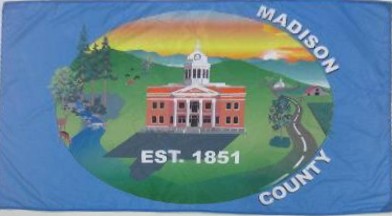
Madison County is a rural county in the western part of the United States state of North Carolina. It lies within the broader Appalachian highlands and is known for scenic mountain landscapes, small towns and outdoor recreation. The county seat is the town of Marshall, and at the 2010 U.S. census the population was recorded as 20,764.
Image gallery
6 Images



Geography and environment
The county occupies a portion of the Blue Ridge and Appalachian foothills; ridgelines, narrow valleys and fast-flowing streams are typical. Forests cover much of the area and provide habitat for diverse plant and animal life. Several rivers and creeks offer opportunities for fishing and paddling, and the terrain supports hiking, scenic drives and seasonal leaf viewing.
History and origins
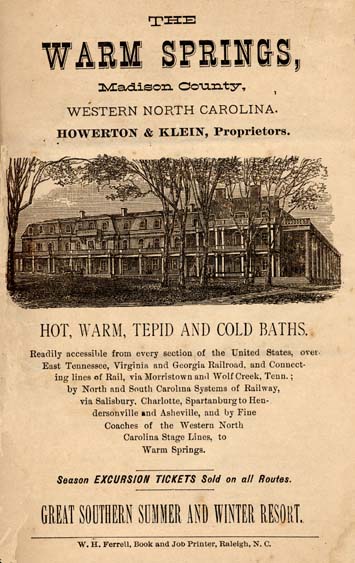
Madison County developed as part of the 19th-century settlement of western North Carolina. Its communities grew around agriculture, timber and small-scale industry. The county takes its name from President James Madison, reflecting a common 19th-century practice of honoring national leaders when naming new counties and towns.
Economy and population
The local economy remains largely rural in character, combining agriculture, forestry, crafts and tourism-related services. Small businesses and artisans contribute to local commerce, while many residents commute to larger nearby towns for work. The county seat, Marshall, contains government offices, historic buildings and a compact downtown that serves as a regional center.
Culture, recreation and attractions
Visitors and residents find a mix of outdoor activities and cultural events. Popular pursuits include hiking, fishing, paddling and enjoying traditional craft fairs and music. Historic buildings and small museums recount local heritage, while scenic roads and overlooks are valued for photography and leaf-peeping.
Government and services
Local government provides typical county services such as education, public safety and infrastructure maintenance. Schools, community programs and nearby higher-education institutions support residents. For more detailed resources about the region and services, see state and local informational pages or regional guides at state resources.
Author
AlegsaOnline.com Madison County, North Carolina Leandro Alegsa
URL: https://en.alegsaonline.com/art/142056