
Love Canal: the Niagra Falls neighborhood and toxic waste disaster
Love Canal is a neighborhood in Niagara Falls, New York, notable for a mid-20th-century chemical landfill that caused a major public health crisis and helped spur the U.S. Superfund program.
Love Canal is a residential neighborhood in Niagara Falls, New York, best known for the discovery in the 1970s that a former industrial dump beneath the community had released hazardous chemical wastes. Once the site of a failed canal project and later a chemical landfill, Love Canal became a focal point in national conversations about industrial pollution, public health, and government responsibility.
Image gallery
5 Images
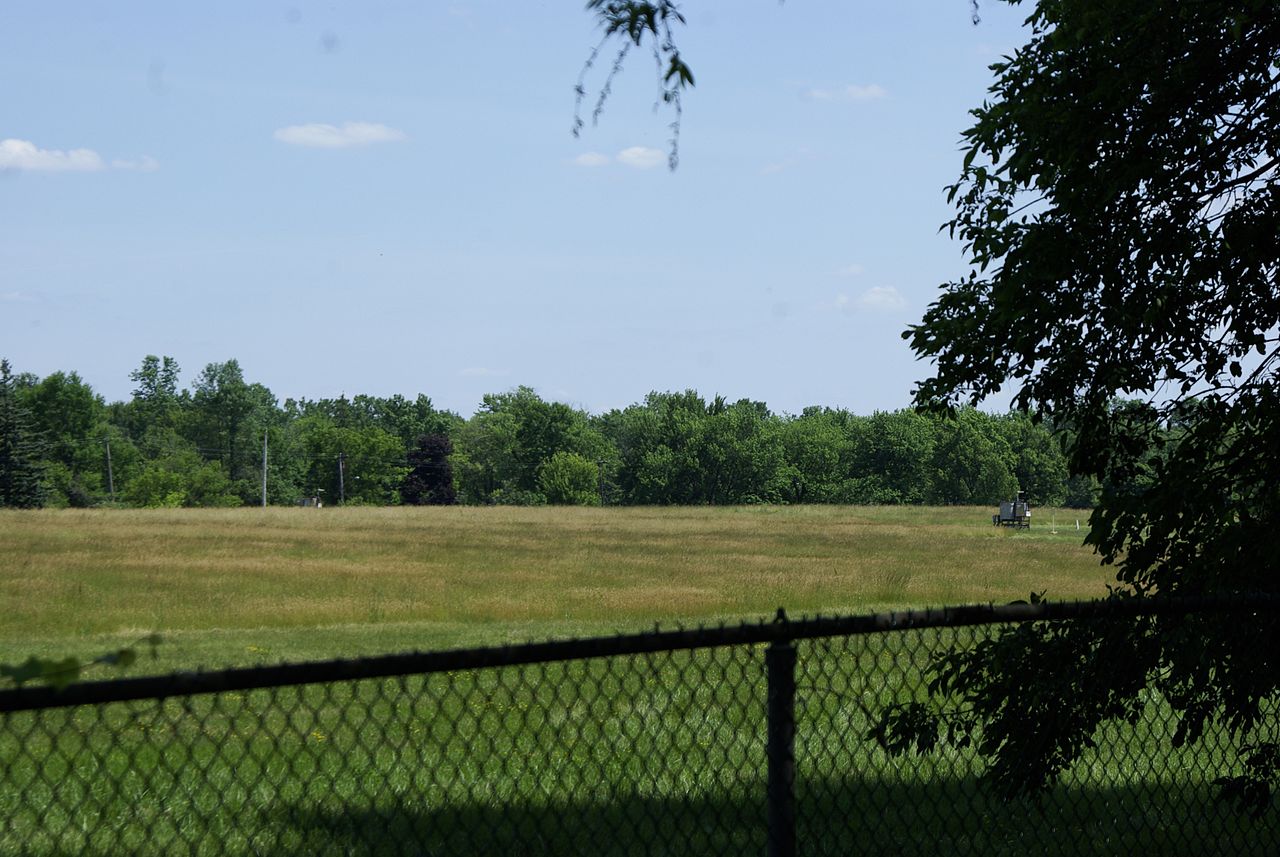


Location and site description
The contaminated area occupied roughly a 70-acre tract originally associated with an unfinished 19th-century canal. In the mid-20th century parts of the site were used by industry to bury chemical by-products in steel drums and trenches, then covered with soil and sold or developed for housing and a school. Over time chemicals migrated into backyards, basements and groundwater beneath the neighborhood.
Origins and contamination
After industry abandoned the canal, chemical companies used the hollowed area for waste disposal. Residential construction and a public school were later built atop or near the filled sections. Residents began reporting unusual odors, chemical residues, and health complaints in the 1970s. Investigations found many different industrial compounds — often described broadly as chlorinated organics and solvents — present in soil and groundwater, linked to decades of prior dumping at what had functioned as an industrial landfill.
Health effects, response, and public action
Local doctors, residents and journalists drew attention to apparent clusters of illnesses, including miscarriages, birth defects and other chronic conditions. In 1978 state and federal officials ordered the evacuation of hundreds of families and the closure of the elementary school. The incident prompted widespread public outrage and became a catalyst for federal hazardous-waste legislation. It is often cited as a principal stimulus for the Comprehensive Environmental Response, Compensation, and Liability Act and the creation of the national Superfund cleanup program.
Cleanup, liability and legacy
Cleanup and monitoring at Love Canal extended for decades under federal and state oversight. The company that had disposed of wastes was later involved in litigation and settlement agreements to finance remediation and relocation. While many lots were later capped, capped and monitored, and some homes remain restricted, the episode has persisted as a symbol of failures in waste management, corporate accountability, and environmental health protection.
Key dates and facts
- Late 19th century: original canal project abandoned.
- Mid-20th century: industrial dumping into the site.
- 1950s: property transferred and community development occurred.
- 1970s: residents report illnesses; investigations expose contamination (industrial landfill).
- 1978: large-scale evacuations and emergency actions.
- 1980 onward: long-term cleanup under Superfund and continuing health and legal debates.
Love Canal remains an important case study in environmental policy, urban planning and community activism. It highlights the long-term consequences of burying hazardous wastes near residential areas and the role of government regulation in preventing similar disasters.
Author
AlegsaOnline.com Love Canal: the Niagra Falls neighborhood and toxic waste disaster Leandro Alegsa
URL: https://en.alegsaonline.com/art/141860